When most people picture what separates a professional athlete from a serious amateur, they think about training. The pro trains harder, longer, with better coaching, and that is part of it. But spend time around how professionals actually structure their weeks and a quieter truth shows up. The training is only half the job. The other half is recovery, and the pros treat it with a seriousness that most weekend athletes never bring. The reveal is that the people at the top are not just working harder than you between the lines. They are recovering far more deliberately than you outside them.
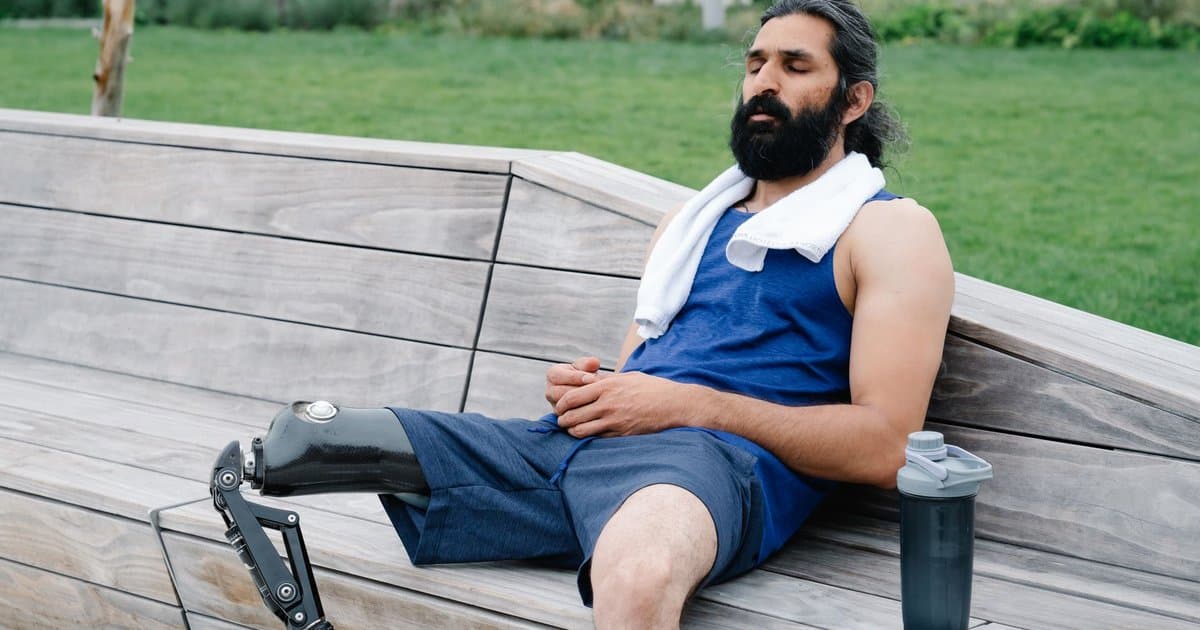
Sleep is the first and biggest piece, and it is the one amateurs ignore most. Professional athletes guard their sleep the way they guard their training schedule, often aiming for nine or more hours and treating naps as part of the plan rather than a luxury. This is not indulgence. Sleep is when the body actually repairs muscle, consolidates the motor patterns practiced that day, and restores the hormonal balance that drives strength and endurance. A weekend athlete who trains hard and then sleeps six hours is undoing a chunk of the work. The pro who sleeps nine is not lazier, they are letting the training take hold.
The second piece is the deliberate easy day. Amateurs tend to think in two modes, hard or off, and they often feel guilty about the off. Professionals build their weeks around varied intensity, and the easy days are planned with as much intention as the hard ones. A light session keeps blood moving and aids recovery without adding stress, while a true rest day lets the body adapt. The mistake the eager amateur makes is going hard every time they train, which never gives the body the lower stress window it needs to actually get stronger. Adaptation happens during recovery, not during the effort itself.
Nutrition timing is the third quiet advantage. Pros do not just eat well in general, they eat with the session in mind, taking in protein and carbohydrate in the window after training when the body is primed to use it for repair and refueling. They hydrate on a schedule rather than waiting until they are thirsty, which is already a sign of being behind. None of this requires exotic supplements or a personal chef. It requires planning, and that planning is the difference between a body that shows up ready for the next session and one that is still digging out of the last one.
Then there is the boring but crucial practice of listening to the body. Professionals and the people around them track how they feel, how they slept, how sore they are, and how their performance trends, and they adjust. When the signals say back off, they back off, because they understand that pushing through accumulating fatigue is how injuries happen and how progress stalls. The amateur mindset often treats any easing up as weakness, which leads to grinding through warning signs until something gives. The pro is not tougher in that moment. They are smarter, because their goal is the long season, not the heroic single workout.
Soft tissue care and mobility round out the routine. The stretching, the foam rolling, the deliberate work on range of motion, these are not the glamorous parts and they rarely get posted. But professionals do them consistently, often daily, because they keep the body moving well and reduce the small dysfunctions that compound into injury. An amateur who skips all of it and only does the fun, hard work is building strength on a shaky foundation. The maintenance work is what keeps the engine running over years instead of breaking down in months.
The reason this matters for an ordinary person is that the principle scales down perfectly. You do not need a professional contract to sleep more, plan easy days, eat with intention around your workouts, listen to your body, and take care of your joints. These are not advanced techniques reserved for elite performers. They are the unglamorous fundamentals that the elite simply refuse to skip, and that most amateurs treat as optional. The gap is less about access and more about discipline applied to the parts nobody claps for.
So the next time you are tempted to add another hard session, ask whether you have earned it with recovery. The professionals who seem to have endless capacity are not superhuman. They have built a system where the work they put in actually sticks, because they protect the conditions that let the body absorb it. Train hard, yes. But the reveal is that recovery is not the reward for the training. It is part of the training, and treating it that way is one of the clearest things separating the people who keep improving from the ones who keep getting hurt.