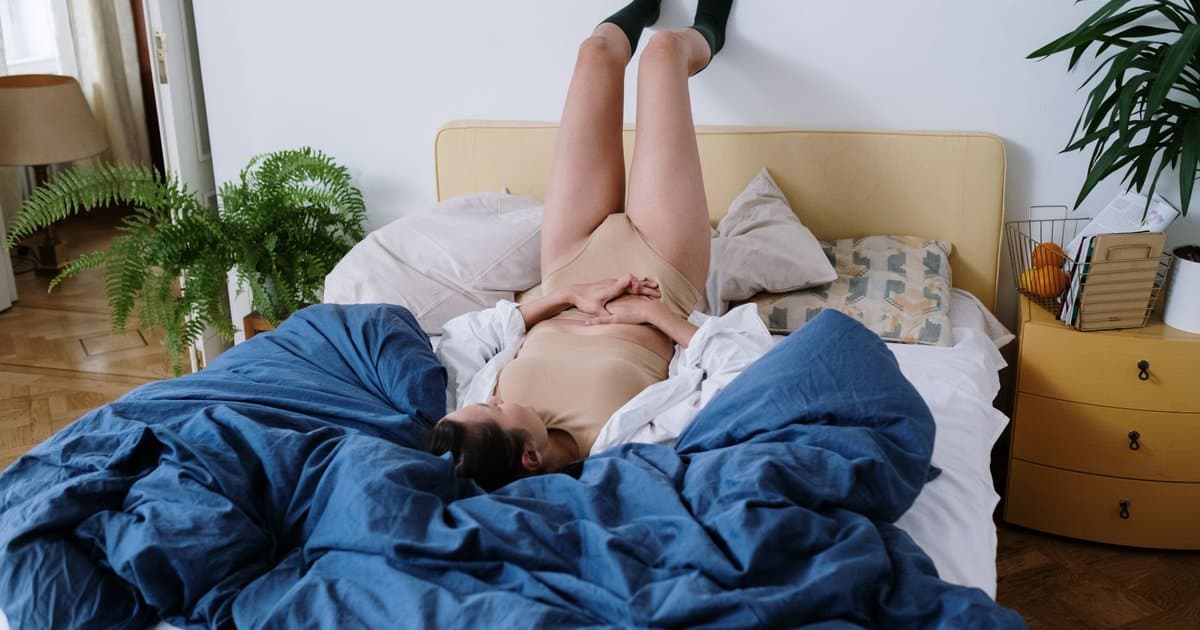
You are asleep, and then out of nowhere your calf locks up like a fist and the pain drags you straight out of a dream. The muscle goes rock hard, you grab your leg, and you limp through the next thirty seconds hoping it lets go. Almost everyone has felt this at least once, and plenty of people feel it several nights a week. Doctors call it a nocturnal leg cramp, and it usually strikes the calf, though it can hit the foot or thigh too. The good news is that these cramps are rarely a sign of anything dangerous. The better news is that they are often telling you something specific about your day and your habits, if you know how to read them.
A muscle cramp is a sudden, involuntary contraction that will not release on its own. Your muscle fibers are meant to tighten and loosen on command, but during a cramp a cluster of them fires and stays fired. Researchers believe many night cramps start with the nerve that feeds the muscle rather than the muscle itself. When that nerve gets overexcited, it keeps sending the signal to contract long after it should have stopped. This is why stretching the muscle often stops a cramp faster than rubbing it, because the stretch calms the nerve signal. Understanding that the nerve is often the trigger changes how you prevent the next one.
One of the most common messages a cramp sends is that your fluid or mineral balance is off. Your muscles rely on minerals like potassium, magnesium, calcium, and sodium to contract and relax smoothly. When you sweat through a hot day, drink too little water, or lose fluids some other way, those levels can dip and your muscles get twitchy. Older adults are more prone to cramps partly because the body holds less water and fewer mineral reserves with age. This does not mean you need a cabinet full of supplements. It often means drinking enough water through the day and eating regular foods like bananas, beans, leafy greens, and nuts.
Your cramp may also be reporting on how you moved, or did not move, that day. Long hours standing on hard floors can overwork the calf and set it up to seize at night. On the other end, sitting all day with your legs still can leave the muscles shortened and stiff, which also invites a cramp. Hard exercise without a proper cool-down is a frequent trigger, especially if you pushed farther than usual. Even the way you lie in bed matters, since sleeping with your toes pointed down shortens the calf for hours. That shortened position is a setup, and a small change in how you rest your feet can break the pattern.
Sometimes a cramp is pointing at something on your medication list. Certain drugs, including some water pills and cholesterol medicines, list muscle cramps among their side effects. Pregnancy raises the odds of night cramps, especially in the later months. Conditions that affect circulation or nerves, like diabetes or narrowed leg arteries, can also make cramps more frequent. None of this means you should panic over a single cramp. It means that if the cramps are sudden, severe, or new for you, a quick conversation with a doctor is a reasonable next step.
When a cramp hits, your first job is to lengthen the muscle that is seizing. For a calf cramp, straighten your leg and gently pull your toes back toward your shin, or stand up and press your heel into the floor. Walking a few steps or gently massaging the muscle can help the contraction release. Once the sharp part passes, the area may feel sore for a while, and that soreness is normal. A warm compress can ease the leftover tightness. The point is not to fight the muscle but to guide it back to its normal length.
Preventing the next cramp comes down to a handful of habits that are easy to keep. Drink water steadily through the day rather than all at once, and do not skip it just because the weather feels mild. Do a light calf and hamstring stretch before bed, holding each one for about thirty seconds. Keep your blankets loose at the foot of the bed so your toes are not pinned downward all night. Move your legs during the day, even a short walk every hour if you sit for work. These small steps address the real triggers instead of just waiting for the pain to strike again.
A night leg cramp feels random when it wakes you, but it usually is not. It is a short, painful message about hydration, minerals, movement, position, or sometimes a medicine you are taking. Most of the time the fix is ordinary and within your reach, built from water, food, stretching, and a few changes to how you sleep. Pay attention to when the cramps show up and what your day looked like, and a pattern often appears. That pattern is the real information hiding inside the pain. Read it, adjust, and most people find the nights get quieter.