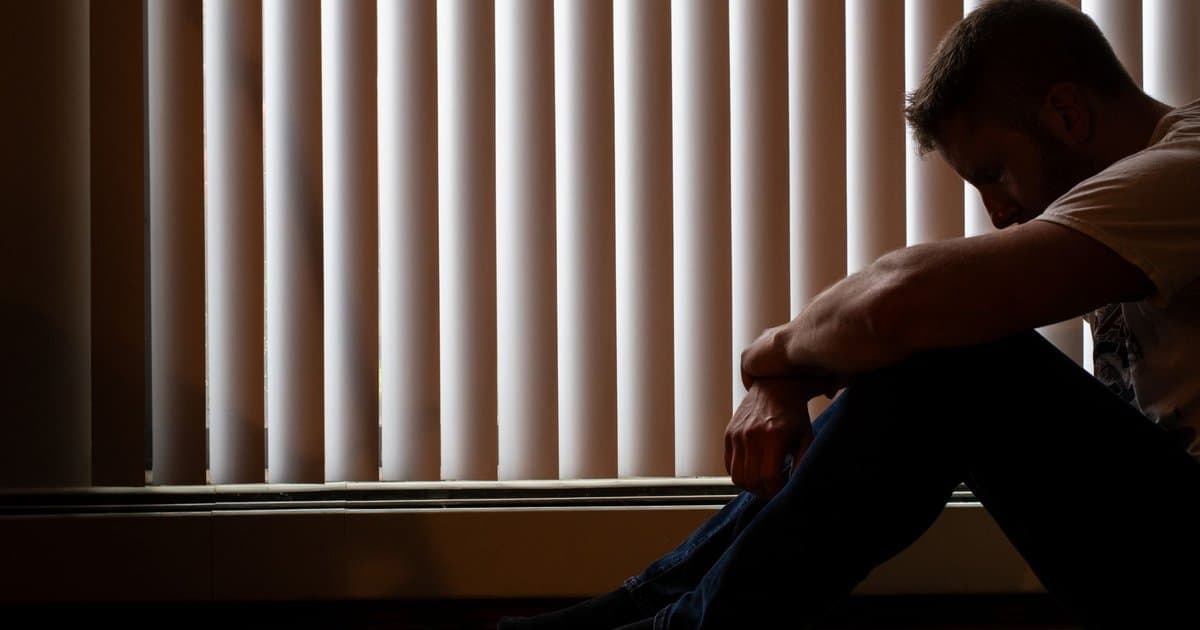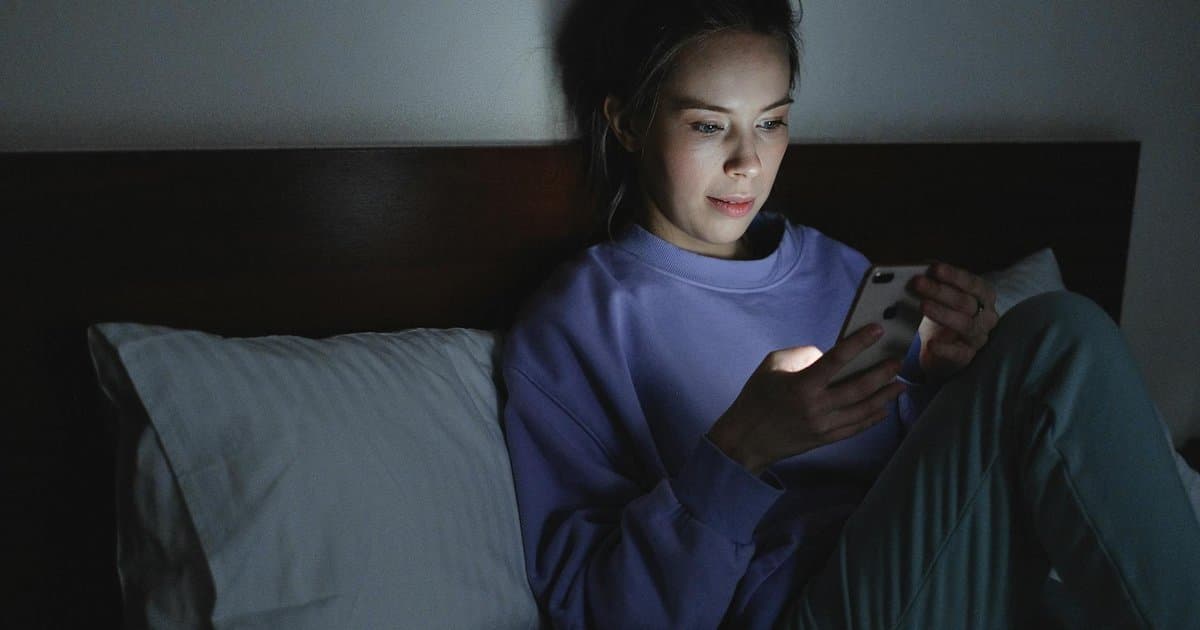
The first night you do not check email after seven, you will reach for your phone roughly nineteen times by ten thirty. Not because anything is happening. Because your hand has been trained for years to fill silence with a small dopamine hit. The screen is the slot machine. The inbox is the lever. Pulling away from it feels like withdrawal because that is exactly what it is. The good news is that the withdrawal is short. The bad news is that you have to actually sit through it for anything to change.
What changes is measurable, and it changes fast. A 2024 study from the University of California Irvine tracked one hundred and eighty knowledge workers who agreed to stop checking work email between seven in the evening and six in the morning for fourteen days. Self reported sleep latency dropped from a median of twenty seven minutes to fourteen minutes. Reported evening tension dropped by forty one percent. Reported next morning focus rose by twenty three percent. Spouses of participants reported feeling more attended to without being prompted. None of these numbers required a meditation app, a supplement, or a vacation. They required a single behavioral cut.
The first thing to understand is why the cut works. Email is not just information. It is a context switch in a small package. Every time you open an inbox in the evening, your brain has to parse who is asking what, calculate whether it requires a response tonight, hold that calculation in working memory, and then come back to whatever you were doing. That entire loop costs glucose and attention even if you do not respond. Doing this twelve times between dinner and bed does not just shorten your evening. It fragments it into pieces too small to do anything restful with.
The second thing to understand is what the urge actually is. Most people assume they check at night because their job demands it. The honest audit usually shows otherwise. The 2024 Microsoft Work Trend Index found that of after hours emails sent, only fourteen percent required action that could not have waited until the next morning. The other eighty six percent were either informational, FYI, or self generated by the sender who also could not stop. The urgency is a shared hallucination. You are participating in something that benefits no one and costs you every night.
What replaces the checking is the harder question. The vacuum is real. The first week, you will be bored at seven thirty in a way you have not been bored in years. Boredom is not the enemy here. It is the entry point. Sit with it. Read something on paper. Walk for thirty minutes without earbuds. Talk to the person across the table without your phone face down between you. Cook something that takes longer than fifteen minutes. The point is to relearn how to spend an evening at a slower frame rate than your inbox runs at.
By the end of the second week, something quieter happens. The reflexive reach for the phone fades because the dopamine reward shrinks once the brain stops expecting it. The texture of the evening starts to feel different. People who try this almost always report the same surprise. They had been thinking of their evenings as relaxation. Once email was gone, they realized they had not actually been relaxing. They had been working in low resolution for hours and calling it downtime.
The fear that something urgent will be missed is the part most people get stuck on. The fix is to set a real boundary for the rare actual emergency. Tell your team that you do not check email after seven, but if something is on fire they can text or call. The phone call is a much higher friction action than firing off an email, and the friction is the filter. In practice, most people who try this for thirty days report receiving fewer than two genuine after hours calls per month. The catastrophe you have been protecting against by checking at nine, ten, and eleven turns out to be almost entirely imagined.
Pick a date. Set a phone setting that locks email between seven and six the next morning. Tell two people you live or work with so the announcement has weight. Make it through two weeks. If you go back to the old pattern after, at least you went back with information you did not have before. Most people who try it do not go back.