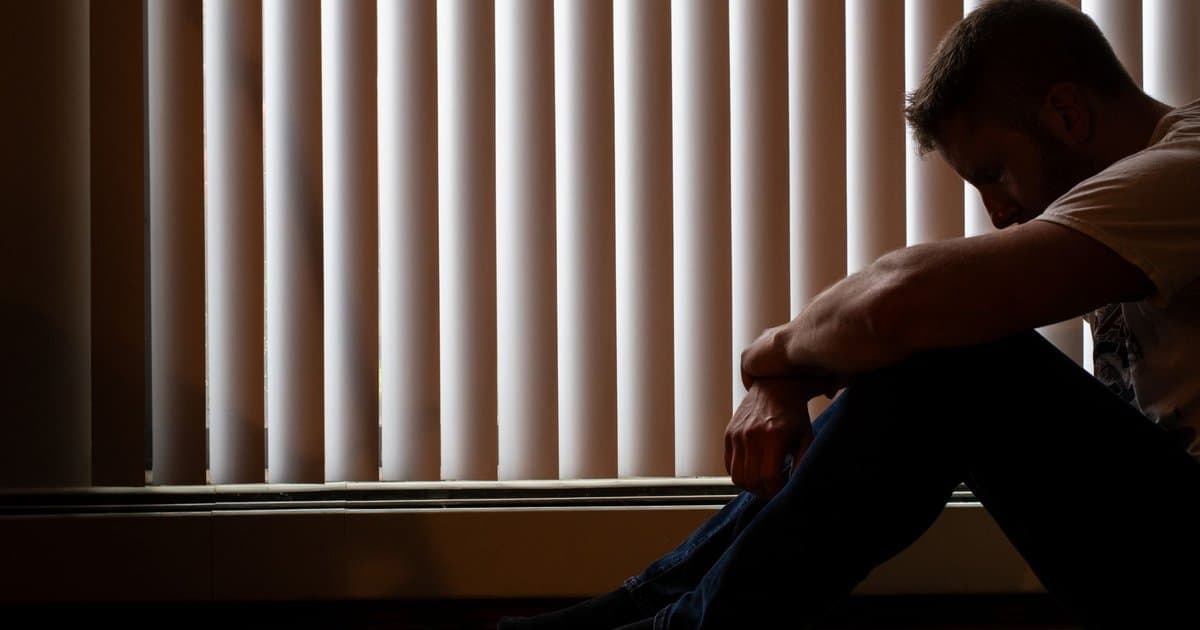
Anxiety shows up uninvited. It might be a tight chest before a meeting, a racing mind at two in the morning, or a knot in your stomach you cannot quite explain. The very first thing most people do is try to shut the feeling down as fast as possible. That reaction feels completely natural, and it is also the one mistake that keeps anxiety sitting in the driver's seat. When you fight the feeling, argue with it, or demand that it leave right now, you almost always hand it more power. The harder you push against anxiety, the harder it tends to push back. The real problem is rarely the anxiety itself, it is the war you start with it the moment it arrives.
There is a simple experiment that explains the trap. Try not to think about a white bear for the next thirty seconds. Most people find that the bear appears instantly and refuses to leave the room. Psychologists call this ironic process, and it operates the same way with anxious thoughts. When you order your mind to stop worrying, one part of your brain has to keep checking whether the worry is still hanging around. That constant monitoring is what keeps the thought active, present, and loud. Suppression does not delete a fear, it quietly rehearses it, so the instruction and the outcome end up pointing in opposite directions.
The second layer of the mistake is even more draining than the first. When you treat a pounding heart or a shallow breath as an emergency, your body reads your own alarm as evidence that something is genuinely wrong. Adrenaline climbs, your muscles tighten, your thoughts speed up, and now you are anxious about being anxious. This is how a passing wave of nerves hardens into a full panic spiral. The original trigger fades into the background while the fear of the fear takes center stage. You end up fighting your own nervous system, and that system was never designed to surrender on command. The feeling you are trying to end becomes the very thing that keeps it burning.
Avoidance looks like a smart solution, but it is the same mistake wearing a different coat. Skipping the party, dodging the phone call, or leaving the store before you finish does bring real relief in the moment. That immediate relief is exactly where the trap closes. Every time you escape a situation, your brain quietly learns that the situation truly was dangerous and that fleeing is what kept you safe. The fear grows a little larger, and the territory that still feels comfortable shrinks a little smaller. Repeat that pattern over months and years, and a person's whole world can narrow without them noticing it happen. What felt like protection turns out to be the slow construction of a cage.
The alternative is not to love anxiety or to pretend that it feels good. It is to stop treating every anxious moment as a problem you must solve this instant. Start by naming what is happening in plain language, something as simple as, my body is having an anxiety response and it will pass. Let the sensation rise and fall without stacking a story on top of it, the same way you would let a wave crest and then break on the sand. Slow your exhale, not to force yourself calm, but to send your body a quiet signal that you are not actually in danger. Then keep doing the thing that matters to you, even while the discomfort is still sitting in the room with you. Acting on your values while anxious teaches your brain the lesson that suppression never could.
This is a skill, which means it will feel clumsy at first and grow steadier with practice. You are teaching your brain a brand new response to a very old alarm, and that kind of rewiring only happens through repetition. Practice on smaller moments of stress before you expect the approach to hold up in the hardest ones. If anxiety becomes constant, wrecks your sleep, bleeds into your work and relationships, or pushes you toward panic that will not ease, treat that as a signal rather than a personal failure. Talking with a licensed therapist or your doctor is not a last resort, it is often the fastest way through. The goal was never a life with zero anxiety. It is a life where anxiety no longer gets to make your decisions for you.