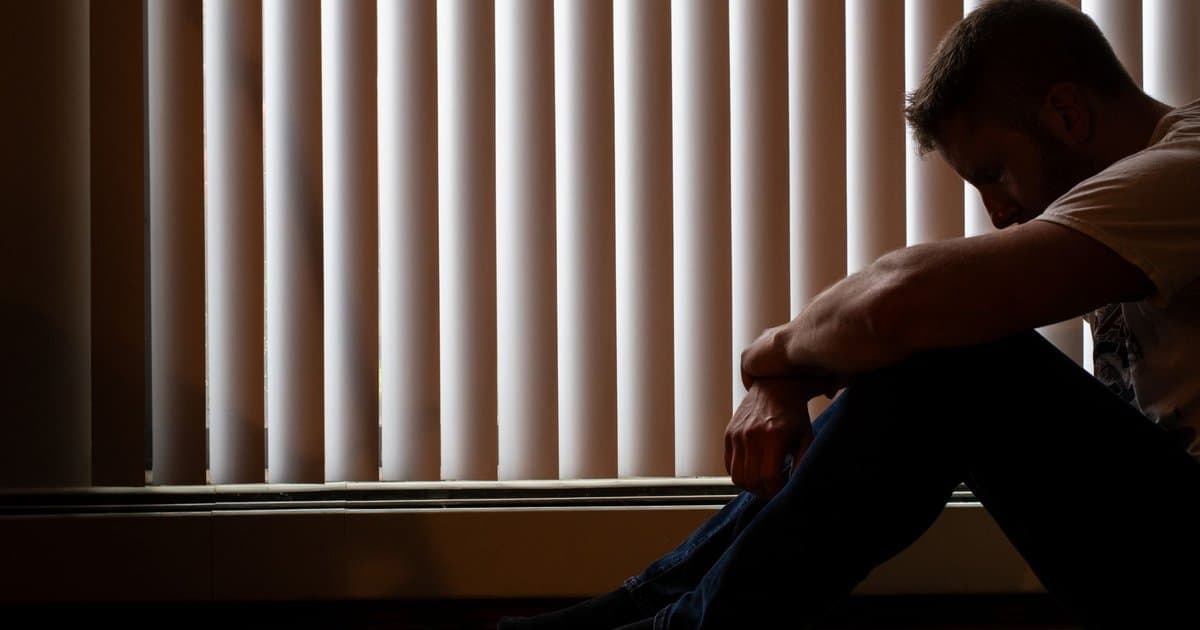
You have felt it a hundred times, even if you never named it. Your chest tightens, your heart speeds up, your thoughts race, and your stomach drops before a hard conversation or a piece of bad news. That is the fight or flight response, one of the oldest and most powerful systems in the human body. It is not a flaw or a sign of weakness, it is a survival mechanism that kept your ancestors alive. Understanding what it actually does, step by step, changes how you relate to your own stress. Once you see the machinery, the feeling stops seeming so much like something is wrong with you.
It begins in a small almond shaped part of your brain called the amygdala, which acts like a smoke alarm. The moment it senses a threat, it fires before your thinking brain has time to weigh in. It signals the hypothalamus, which flips your nervous system into emergency mode and floods your bloodstream with adrenaline and cortisol. This all happens in a fraction of a second, faster than conscious thought. That is why you can slam the brakes or jump back from a curb before you consciously decide to. The system is built for speed, not for careful judgment, and that design is the whole point.
Once those hormones hit, your body transforms in ways you can actually feel. Your heart pounds harder to push blood to your large muscles, getting you ready to run or fight. Your breathing goes fast and shallow to load your blood with oxygen. Your pupils widen so you can take in more of the scene, and your senses sharpen. Your liver dumps stored sugar into your blood for quick fuel. At the same time, anything not needed for immediate survival gets shut down, including digestion and part of your immune response, which is why fear can make your mouth go dry and your stomach churn.
All of this is brilliant when the threat is physical and brief. If a car swerves at you or a dog charges, this response gives you a burst of strength and speed that can save your life, and then it switches off once the danger passes. The problem is that your body cannot tell the difference between a charging animal and a threatening email. A looming deadline, a tense text, a stack of bills, or a memory of something painful can all trip the same alarm. Your body prepares to sprint or fight, but there is nothing to sprint from and no one to fight. The energy floods in with nowhere to go.
That mismatch is where modern stress does its damage. The response was designed to fire briefly and then shut off, not to hum all day long. When the alarm keeps going off, from a stressful job, financial pressure, or constant low grade worry, those stress hormones stay elevated far longer than nature intended. Over time that takes a real toll. It raises blood pressure, disrupts sleep, upsets digestion, weakens immunity, and keeps anxiety simmering under the surface. The very system meant to protect you starts to wear you down when it never gets the signal that the danger has passed. This is a big part of why chronic stress feels so physical and not just mental. Your body is quite literally stuck in a state it was never built to hold for long.
The good news is that your body has a matching system for the opposite state, and you can learn to switch it on. It is called rest and digest, and it is the calm counterpart to fight or flight. The fastest doorway into it is your breath, specifically your exhale. When you slow your breathing and make your out breath longer than your in breath, you send a direct signal to your nervous system that the threat is over. A few minutes of slow breathing can measurably bring your heart rate down. This is not a trick or a placebo, it is you using a control panel your body already came with.
There are other honest ways to help the response complete itself and settle. Physical movement burns off the fuel your body just released, which is why a walk after a stressful moment feels so clearing. Naming what you feel, even silently telling yourself this is my stress response, pulls your thinking brain back online and quiets the alarm. Grounding through your senses, noticing what you can see, hear, and touch, reminds your body that you are safe right now. None of these erase the pressures in your life, but they teach your system to stop treating every hard moment as a life or death emergency. You cannot always choose what sets off the alarm, but you can learn to turn it off sooner than you used to. That skill, practiced over time, is one of the most useful things you can learn about being human.