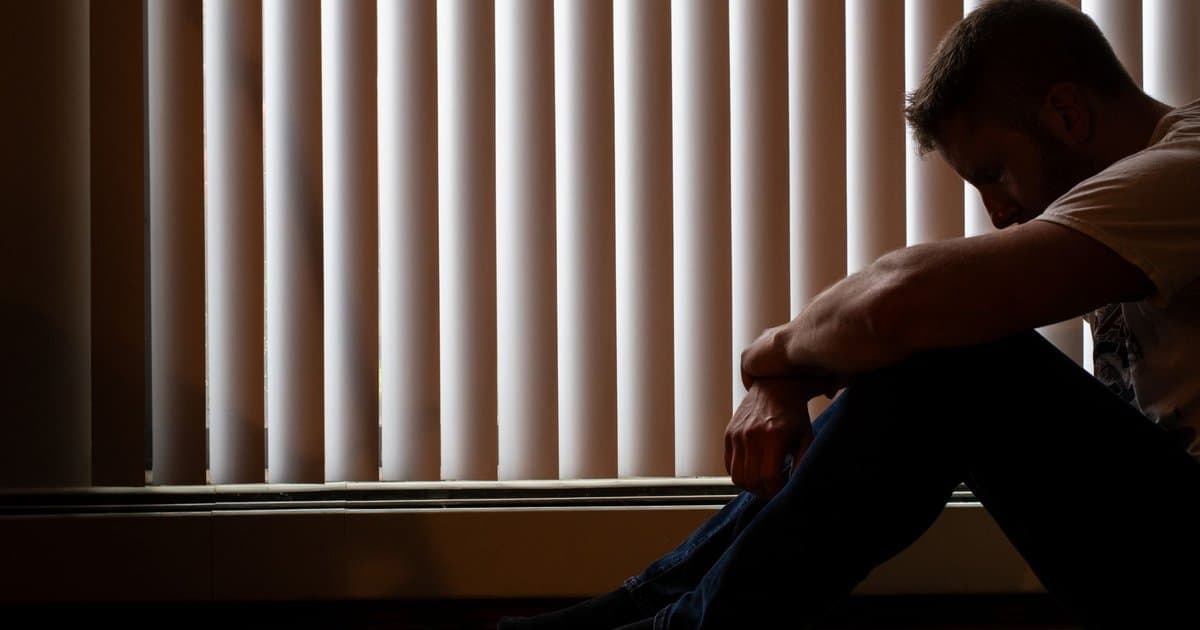
You told yourself it would be five minutes. An hour later you are still lying there, thumb moving, feeding on one alarming headline after another, feeling worse with every swipe but unable to stop. Almost everyone has done this, and it has a name now, doomscrolling. It feels like passive rest, like you are just catching up on the world before bed. What is actually happening is far more physical than that. Your nervous system is treating each piece of bad news like a small threat, and you are keeping it on high alert for hours at a time.
To understand why, you have to know how your body reads danger. Your nervous system has a threat detector, an old and fast part of the brain that cannot tell the difference between a real danger in the room and a frightening image on a screen. Every distressing headline, every video of something going wrong, registers as a signal that the world is unsafe. In response your body releases stress hormones like cortisol and adrenaline, raises your heart rate, and tightens your muscles for a fight that never comes. One story does this briefly and then fades. Scrolling feeds your brain a fresh threat every few seconds, so the stress response never gets to switch off.
The reason you cannot put the phone down is built into the design and into your biology. The unpredictable stream of new information triggers small hits of dopamine, the same chemical loop that makes slot machines hard to walk away from. You keep pulling for the next update because your brain is chasing the possibility of relief or resolution that never quite comes. At the same time, the negativity bias in your brain makes bad news feel more urgent and more important than good news, so the alarming posts hold your attention hardest. You are caught between a reward loop pulling you forward and a threat system that will not calm down. That combination is exhausting in a way that regular rest is not.
The cost shows up in your body and your sleep long after you close the app. A nervous system stuck in alert mode does not power down on command, so you lie awake wired and tense even though you are tired. The blue light from the screen suppresses melatonin, which pushes your sleep later and makes it shallower. Chronic activation of the stress response is linked to headaches, stomach problems, a weaker immune system, and a mood that trends toward anxious and flat. You wake up already depleted, reach for the phone to see what you missed, and the cycle starts again before your feet hit the floor. The scroll that felt like a break was actually a slow drain.
Breaking the loop does not require deleting everything and going off the grid. It requires giving your nervous system a way out. Set a hard stop on news and social apps at least an hour before bed so your body has time to come down before sleep. Charge your phone in another room so the first and last act of your day is not a scroll. When you notice the pull, name it out loud, this is my brain chasing threats, and put the phone face down. Replace the habit with something that signals safety to your body, slow breathing, a few pages of a paper book, a short walk. You are not weak for getting caught in it. You are running human wiring inside a machine built to hold your attention, and the fix is to give that wiring the calm it is actually asking for.