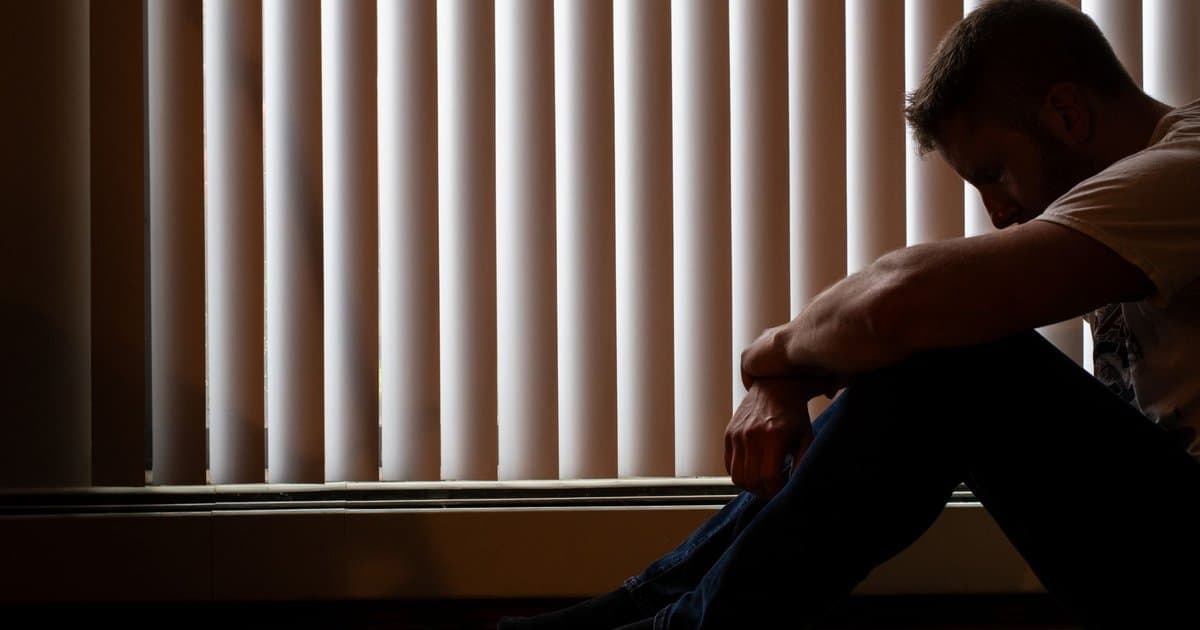
When people picture burnout, they imagine someone falling apart. They picture tears at the desk, a person who cannot get out of bed, a complete shutdown that nobody could miss. That version exists, but it is usually the end of the road, not the beginning. By the time burnout looks dramatic, it has often been building for months. The early stage is quiet. It hides inside ordinary days and gets explained away as a bad week, a busy season, or just getting older. The danger is that the quiet version is the easiest one to ignore and the cheapest one to fix. If you can catch it early, you can change course before it costs you something you care about.
The first quiet sign is that the things you used to enjoy stop landing. This is not the same as being too tired to do them. It is doing them and feeling nothing. You sit down to watch a show you love and it just plays in front of you. You meet a friend and notice you are counting the minutes until you can go home. A hobby that used to pull you in now feels like one more task. Psychologists sometimes call this emotional blunting, and it happens because a system running on empty starts to conserve. When your nervous system is spending most of its energy keeping you upright through stress, it has little left over for pleasure or curiosity. The flatness is not a character flaw. It is a fuel gauge, and it is reading low.
The second quiet sign shows up in your body before your mind admits anything is wrong. Burnout is not only a feeling. It is a physical state, and it leaves fingerprints. You might notice you are getting sick more often, catching every cold that passes through, because chronic stress wears down the immune system over time. You might notice tension headaches, a jaw that aches in the morning, a stomach that is unsettled for no clear reason, or sleep that no longer refreshes you no matter how many hours you get. People tend to treat these as separate problems and chase each one on its own. They buy a new pillow, they cut out coffee, they assume they just need a vitamin. Sometimes that is all it is. But when several of these show up together and stick around, the body is often saying what the mind has not yet allowed itself to say.
The third quiet sign is the one that damages relationships, and it is the easiest to misread. Your patience gets short. Small things that never used to bother you start to set you off. A coworker asks a normal question and you feel a flash of irritation out of proportion to anything they did. You snap at the people closest to you, then feel guilty, then snap again the next day. This happens because patience is not a personality trait so much as a resource, and burnout drains the tank that holds it. When you are running on empty, you have nothing left to absorb the normal friction of being around other people. The cruel part is that you usually aim this irritability at the people you are safest with, which means burnout quietly strains your home life while you are still holding it together at work.
What ties these three together is that none of them looks like burnout from the inside. Flatness gets blamed on the show being boring. Body symptoms get treated as unrelated annoyances. Short patience gets blamed on everyone else. That is exactly why they get missed. The mind is very good at explaining away one signal at a time. The skill worth building is noticing the pattern instead of the single data point. If you are flat, run down, and irritable all at once, and it has lasted more than a couple of weeks, that is not three separate bad weeks. That is one situation wearing three disguises.
The good news is that early burnout responds to early action, and the action does not have to be dramatic. You do not necessarily need to quit anything or blow up your life. You need to take the load off the system long enough for it to refill. That can mean real rest that is actually restful instead of scrolling, saying no to one or two things you agreed to out of habit, or naming the situation out loud to one person you trust instead of carrying it alone. If the signs are severe or have lasted a long time, talking to a doctor or a therapist is a reasonable next step, not an overreaction. The point is to treat the quiet signs as information. They are not weakness showing up. They are your own system telling you the truth a little earlier than your pride wanted to hear it.
This is a sensitive area, and if any of this is hitting close to home in a way that feels heavy, it is worth reaching out to someone you trust or a professional who can help you sort through it.