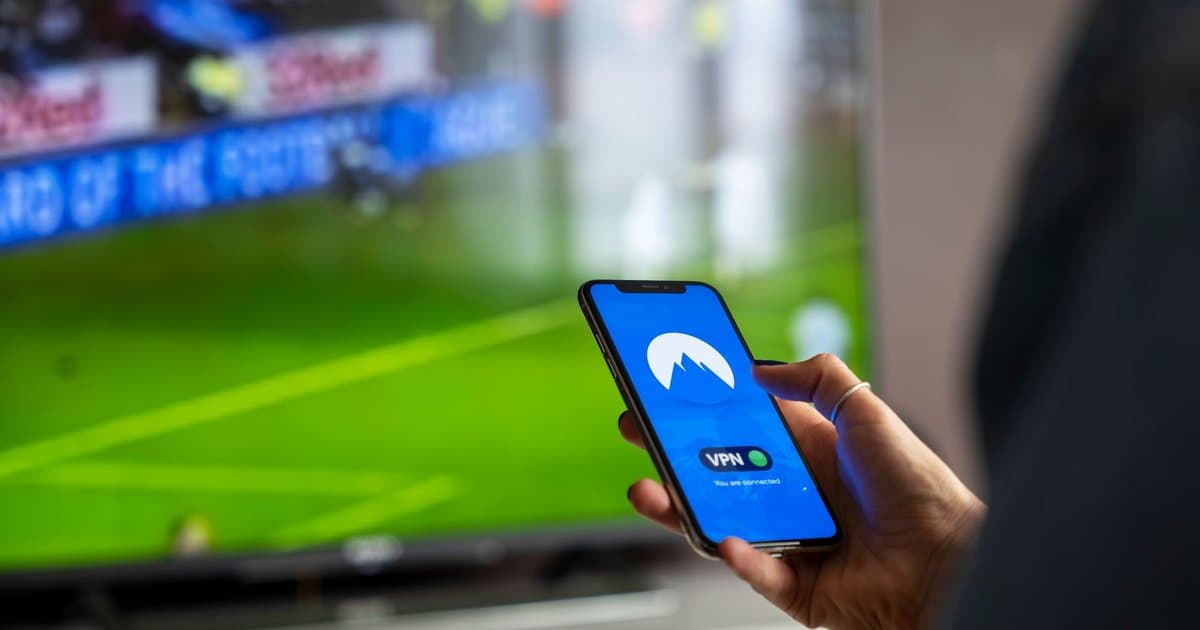
A VPN is supposed to do one simple thing. It routes your internet traffic through a private tunnel so the websites you visit, the apps you open, and your internet provider cannot easily see what you are doing. People download them to feel safer on public Wi-Fi, to keep their browsing private, or to reach content that is blocked where they live. The problem is that running that tunnel costs real money. Servers, bandwidth, and engineers are not free, and a company giving the service away for nothing has to make money somewhere. When you are not paying for the product, there is a good chance you are the product.
Security researchers who have taken apart popular free VPN apps keep finding the same pattern. Many of them log the sites you visit and the times you connect, then sell that activity to advertisers and data brokers. Some inject their own ads into the pages you load, which means they are reading and rewriting your traffic on the way through. Studies of hundreds of free VPN apps have found that a large share contained tracking libraries, and a meaningful number had weak or broken encryption that did not actually hide anything. A few even routed other people's traffic through your device, which can turn your phone into an exit point for someone else's activity. The store rating does not tell you any of this.
The other thing they do not advertise is who owns them. A privacy tool is only as trustworthy as the company behind it, and with free apps that company is often hard to find. Some popular free VPNs are run by firms in places with loose data protection, registered through shell companies that make the real operator almost impossible to trace. If you cannot tell who is running the servers your entire connection passes through, you cannot know what they are doing with it. Reviewers who dig into these apps often hit a wall of holding companies and vague privacy policies written to permit almost anything. That vagueness is a choice, and it usually points in one direction.
The phrase you will see everywhere is no logs. It sounds absolute, but it rarely is. Many providers keep what they call connection logs, which record when you connected, how long you stayed on, and how much data you moved, while claiming they do not track the specific sites. Those connection records alone can often be tied back to you. The only way to know a no-logs claim means anything is an independent audit by an outside firm, published in full and repeated over time. Free apps almost never pay for that audit, because it is expensive and the finding might be inconvenient.
You do not need to be a security expert to protect yourself here. Start by reading who owns the app and where the company is based, and if you cannot find a clear answer, treat that as a warning. Look for a recent independent audit, not just a promise on the homepage. Check whether the app asks for permissions that have nothing to do with a VPN, like your contacts or your location while the app is closed. Pay attention to the business model, because a paid service that charges a few dollars a month has a reason to protect you that a free one does not. If the app is free, popular, and silent about who runs it, that combination should stop you.
It also helps to be honest about what a VPN does and does not do. On modern public Wi-Fi, most of the sites you visit already encrypt your connection on their own, so the coffee-shop horror stories are less common than they once were. A VPN still has real uses, like hiding your traffic from the network owner or your internet provider, but it is a tool for specific jobs rather than a magic shield. That matters because the free apps often sell fear first and privacy second. If you understand the actual problem you are trying to solve, you can judge whether any given app solves it. A tool that is oversold is usually a tool worth a second look before you trust it with everything.
None of this means every free tool is a trap or that paying guarantees safety. There are reputable providers with free tiers that exist to sell you the paid version, and their incentives are at least clear. The real point is that privacy is a service with a cost, and someone is always paying that cost. When the price tag says zero, the payment is usually your data, and you deserve to know that before you install anything. Treat a VPN the way you would treat the lock on your front door, and check who made the key. The goal is not fear. It is knowing what you are actually agreeing to.