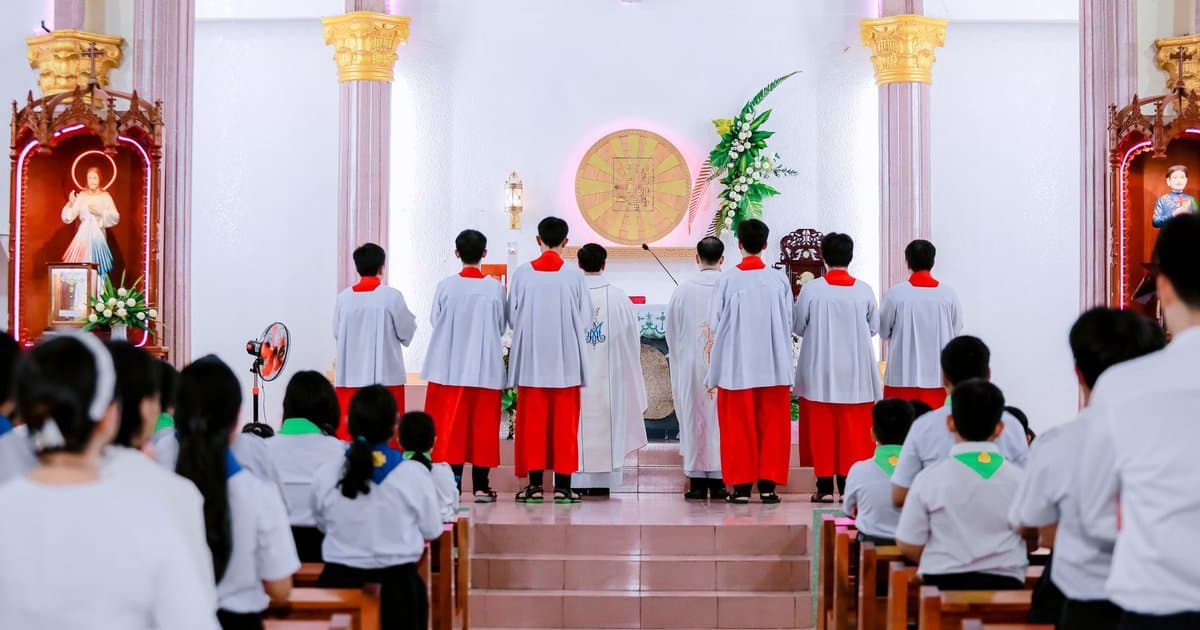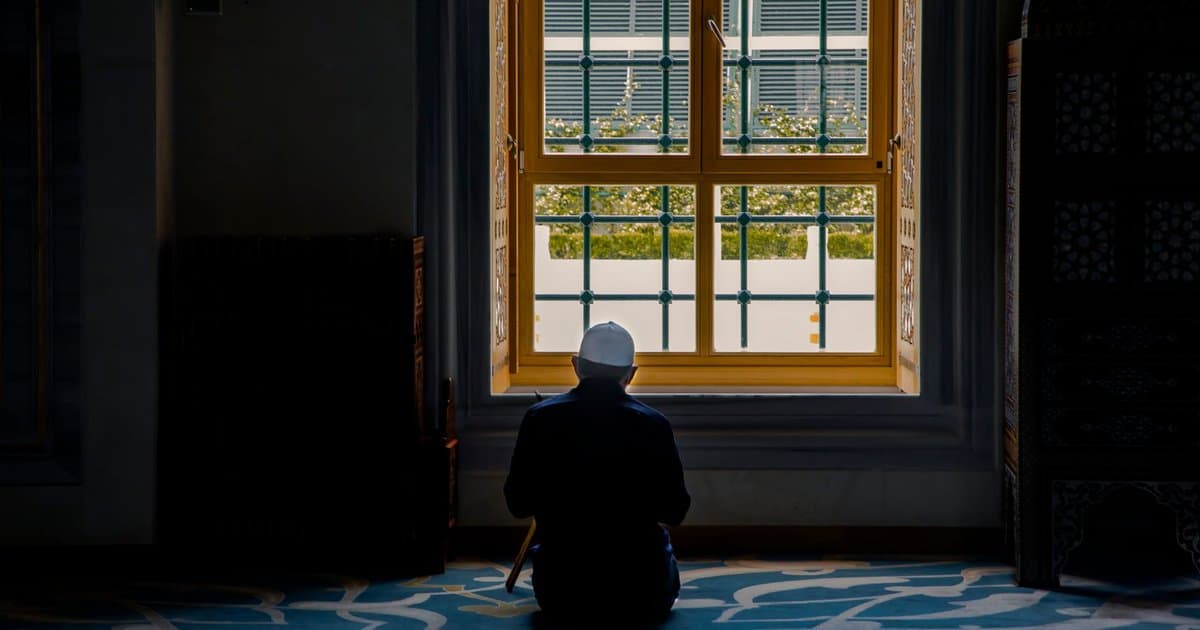
There is a short line in the New Testament that has confused believers for two thousand years. Pray without ceasing. Three words, and on the surface they seem to demand something no human being could possibly do. You have a job, a family, errands, sleep. You cannot kneel with your eyes closed every waking minute, and even if you could, the instruction would turn faith into an exhausting performance rather than a relationship. So most people quietly file the verse away as poetic exaggeration, something the writer did not really mean literally, and they move on. But the people who have taken it seriously across the centuries found that it means something far more reachable than they first assumed.
The confusion comes from imagining prayer as a single posture, a specific activity you start and stop. We picture folded hands, a quiet room, a set of words spoken to God and then finished. If that is the whole definition, then praying without ceasing really is impossible, because you cannot maintain a formal activity while also driving, working, or talking to another person. The early teachers who wrestled with this verse came to understand it differently. They saw prayer less as an event you schedule and more as a posture of the heart you carry, a continuous awareness that you are living in the presence of God rather than alone. The words are one expression of prayer, but they are not the whole of it.
Understood that way, praying without ceasing becomes a matter of orientation rather than activity. A person can be aware of God while washing dishes, while listening to a coworker, while stuck in traffic, the same way you can be aware of someone you love who is sitting in the next room even when you are not speaking to them. The relationship does not pause when the conversation pauses. The old writers described it as a kind of inner turning, a habit of lifting small moments toward God throughout the day, a breath of thanks here, a quiet request there, a recognition of his presence in the ordinary. None of that requires stopping your life. It requires letting your life happen within an awareness rather than outside of it.
This is where the practice becomes concrete instead of mystical. People who want to live this way often start with what some have called arrow prayers, short and silent, fired off in the middle of whatever they are doing. Help me here. Thank you for this. Be with her. They are not long or eloquent, and that is the point, because the goal is frequency and presence, not performance. Others anchor the awareness to ordinary cues, turning a doorway, a red light, or the first sip of coffee into a small reminder to turn their attention upward for a moment. Over weeks these tiny returns wear a groove, and the awareness begins to hum along underneath the day on its own.
What surprises people who attempt this is how much it changes the texture of regular life. When you carry a quiet awareness of God through ordinary hours, the hours themselves feel less fragmented and frantic. A hard conversation becomes something you are not facing entirely alone. A moment of beauty, a child's laugh or a sunset on the drive home, becomes a thing to receive rather than rush past. The constant low hum of self that fills most of our internal chatter starts to share space with something steadier. This is not about feeling spiritual all the time, and the awareness comes and goes, often vanishing for hours before you notice and gently return. The returning is the practice.
It helps to release the pressure that the phrase tends to create. Praying without ceasing is not a test you pass or fail each day, and treating it as one defeats the whole purpose, which is connection rather than achievement. You will forget for long stretches. You will get absorbed in work or worry and realize at noon that you have not turned toward God since waking. That is normal and it is not failure. The entire skill is simply the willingness to begin again the moment you notice, without guilt, the way you would pick up a dropped thread of conversation with a friend. The forgetting is human. The returning, over and over, is the prayer.
So the verse turns out to be far gentler and far more livable than it first sounds. It is not asking you to abandon your responsibilities for a monastery or to whisper words every waking second. It is inviting you to live the ordinary day inside an awareness that you are not alone in it, to let small turnings toward God thread through the work and the noise and the rest. That is something a parent, a worker, a busy and distracted person can actually do, not perfectly but truly. Start with one arrow prayer tomorrow morning, fired off without ceremony in the middle of something else, and let the groove begin to form from there.