Walk down any drugstore aisle and you will see a wall of whitening products promising a brighter smile in days. Most of them work to some degree, but the marketing skips over the part that actually matters. The active ingredient in nearly every whitening product is either hydrogen peroxide or carbamide peroxide, and the concentration is what drives the result. A strip that brightens your teeth uses the same basic chemistry a dentist uses, just at a lower strength. That means the gap between a cheap kit and a costly in office treatment is mostly about concentration and time, not magic. Once you understand that, you stop overpaying for the box and start paying attention to what your teeth can actually handle.
Here is the part the ads leave out. Whitening does not bleach away stains so much as it opens up the tiny tubes inside your enamel and lifts color from within. That process can cause sensitivity, and the higher the concentration, the more likely you feel it. People assume sensitivity means the product is working harder, but it really means the peroxide is reaching the nerve faster than your teeth can recover. If your gums sting or your teeth ache with cold water, that is a signal to slow down, not push through. Dentists know that the safest path is lower strength used consistently over a few weeks, yet that approach sells fewer of the dramatic overnight kits.
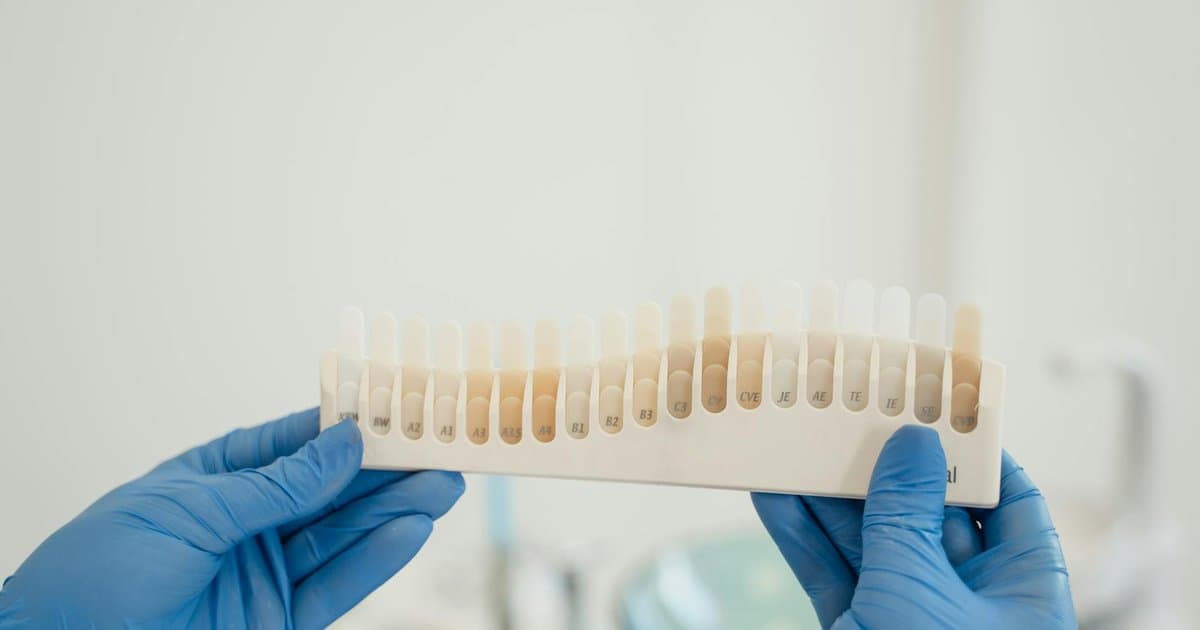
There is also a limit nobody likes to mention. Whitening only works on natural tooth enamel, so it does nothing for crowns, veneers, fillings, or bonding. If you whiten your natural teeth and have a crown in front, you can end up with a visible color mismatch that costs real money to fix. Stains from coffee, tea, and red wine respond well because they sit on the surface and just below it. Stains from certain medications or from trauma to a tooth are deeper and may not budge at all. A reasonable expectation is a few shades brighter, not the unnatural bright white you see in filtered photos. Knowing the ceiling keeps you from chasing a result that no product can deliver.
So what actually works without wrecking your teeth. Start with the basics that cost almost nothing, because a clean tooth holds less stain. Brushing twice a day, flossing, and rinsing after dark drinks does more for the long game than any single treatment. When you do whiten, choose a product with a peroxide concentration you can tolerate and follow the timing on the label instead of leaving it on longer for faster results. Give your teeth rest days if you feel sensitivity, and consider a toothpaste made for sensitive teeth during the process. A custom tray from a dentist is worth it for some people because it holds the gel evenly and protects the gums, but plenty of people get fine results from a quality over the counter kit used correctly.
The money question is where most people get it wrong. A professional in office treatment can run several hundred dollars and delivers fast results because of the high concentration and the controlled setting. An at home kit from the same brands a dentist trusts costs a fraction of that and reaches a similar place over a few weeks. Whitening toothpaste sits at the bottom of the ladder, mostly removing surface stains rather than changing the underlying shade, which is fine for maintenance but weak as a primary tool. If you want speed and you have the budget, the office treatment makes sense. If you have patience, the at home route gets you to nearly the same place for far less.
Keeping the result is its own skill, and it costs far less than starting over every few months. Whatever shade you reach will slowly fade as new stains build up from daily food and drink. A simple maintenance routine stretches the result and saves you money over time. Drinking dark beverages through a straw keeps much of the color off the front of your teeth. Rinsing with water after coffee or wine removes stain before it sets. A short touch up every few months beats another full treatment, and it keeps your smile steady without the cost or the sensitivity of starting from scratch again.
The honest takeaway is that whitening is more predictable and more affordable than the industry wants you to believe. You are paying for chemistry that has not changed much in years, dressed up in new packaging every season. Treat it like any other purchase where the active ingredient matters more than the brand name. Protect your enamel, respect the sensitivity signals, and set expectations that match what your real teeth can do. Do that and you get a brighter smile without the regret of a cracked budget or aching teeth. The brightest smile in the room is rarely the one that cost the most.