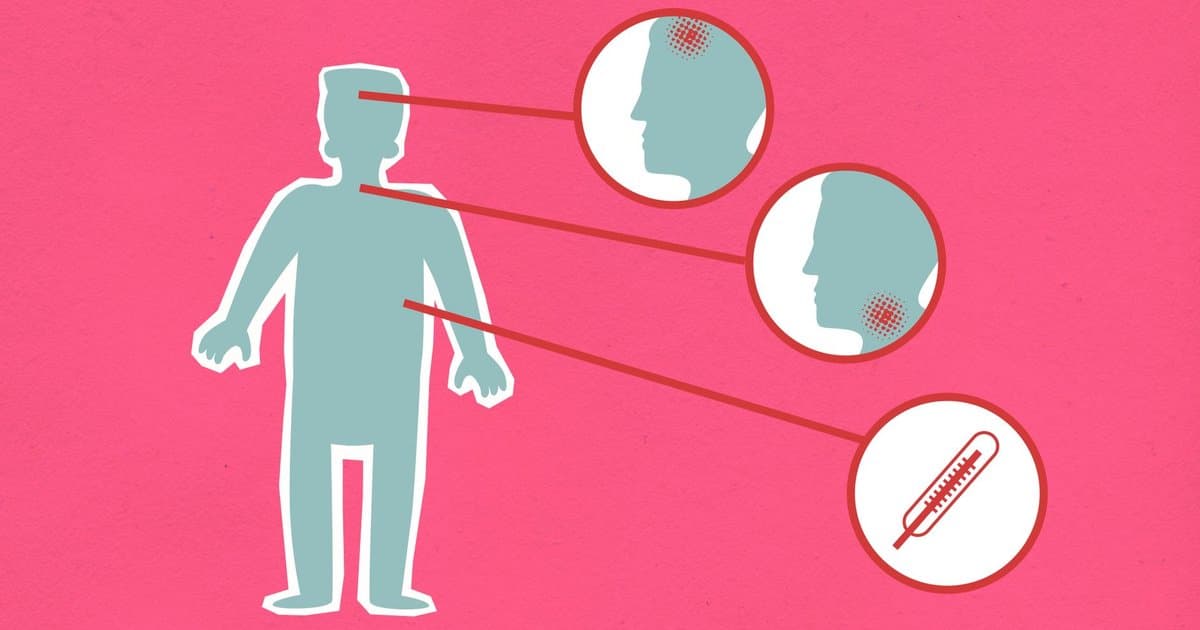
When a fever hits, it feels like something has gone wrong inside you. You are hot, achy, and worn out, and the first urge is to knock the temperature back down as fast as you can. But a fever is not the illness itself. It is one of your body's oldest tools for fighting the illness. That rise in heat is a planned move, not a glitch in the system. Knowing what it is doing can change how you handle the next one, and it can keep you from fighting against your own defense.
Your body holds a normal temperature near ninety eight point six degrees, though it shifts a little through the day. Think of it like a thermostat set by a part of your brain. When your immune system spots an invader, like a virus or bacteria, it sends out signals that tell the brain to raise the setting. Your body then works to reach that new, higher target. The chills and shivering you feel at the start are how it makes that heat, by shaking your muscles. That is why you can feel freezing cold while your temperature is actually climbing.
So why go to all that trouble? A higher temperature makes your body a harder place for many germs to live and multiply. Plenty of the bugs that infect us do best right around normal body heat, and pushing past that slows them way down. At the same time, the heat speeds up parts of your own immune response. Certain defense cells move and work faster when things warm up a bit. In short, a fever tilts the field against the invader and toward your own defenses. It is less a malfunction and more a deliberate strategy.
The rise in heat is only part of the story. Along with it, your body shifts resources toward the fight in ways you cannot feel. Iron, which many germs need in order to grow, gets pulled out of the blood and stored away. Immune cells ramp up their patrols and get better at spotting and killing infected cells. This whole effort takes energy, which is one reason a fever leaves you so tired and low on appetite. Your body is spending its fuel on defense rather than on daily tasks. Rest is how you give it the room to work.
This does not mean you should suffer for no reason at all. A low or moderate fever in an otherwise healthy adult often does not need to be forced down. If you feel miserable, medicine to ease the aches and cool you a bit is fine, and it will not undo your recovery. But you do not have to treat every degree as an emergency to crush. Comfort is a fair reason to take something for it. Panic is not. Letting a mild fever run its course can simply be part of getting better.
There are real limits, though, and knowing them matters. A very high fever, one that climbs past a hundred and four degrees, needs attention and can be dangerous. A fever in a young baby is always a reason to call a doctor right away, no matter the number on the thermometer. So is a fever that drags on for several days, or one that comes with a stiff neck, trouble breathing, confusion, or a rash that does not fade under pressure. These are signs the body may be losing the fight or facing something serious. When in doubt, get it checked by a professional.
A few old ideas about fevers still cause needless worry. The saying to feed a cold and starve a fever has no solid backing, so eat when you can and drink plenty either way. The exact number on the thermometer matters less than how the person actually looks and feels. A child playing quietly at a hundred and one is less concerning than a listless one at ninety nine. Bundling up in heavy blankets to sweat it out can trap heat and push the temperature even higher. Light clothes and steady fluids will serve you far better than that.
A fever is uncomfortable by design, and that discomfort has a purpose behind it. It is the sound of your body turning up the heat to fight, not the sound of it breaking down. Most of the time, the smart move is to rest, drink water, and treat the aches for comfort rather than racing to erase every degree. Save your real concern for the high numbers, the very young, and the warning signs that come with them. The next time you spike, you will know what is happening under the surface. Your body is doing its job.