Most people wash their jeans the same way they wash a t shirt, tossing them in after a couple of wears out of a basic sense that clothes get dirty and dirty clothes go in the machine. It feels responsible. It is also the fastest way to wear a good pair of jeans into the ground. Denim is built differently from the rest of your closet, and the wash cycle that keeps your shirts fresh is the exact thing that breaks denim down. The contrarian truth, repeated by denim makers and serious enthusiasts alike, is that washing less is how you make jeans last longer and look better.
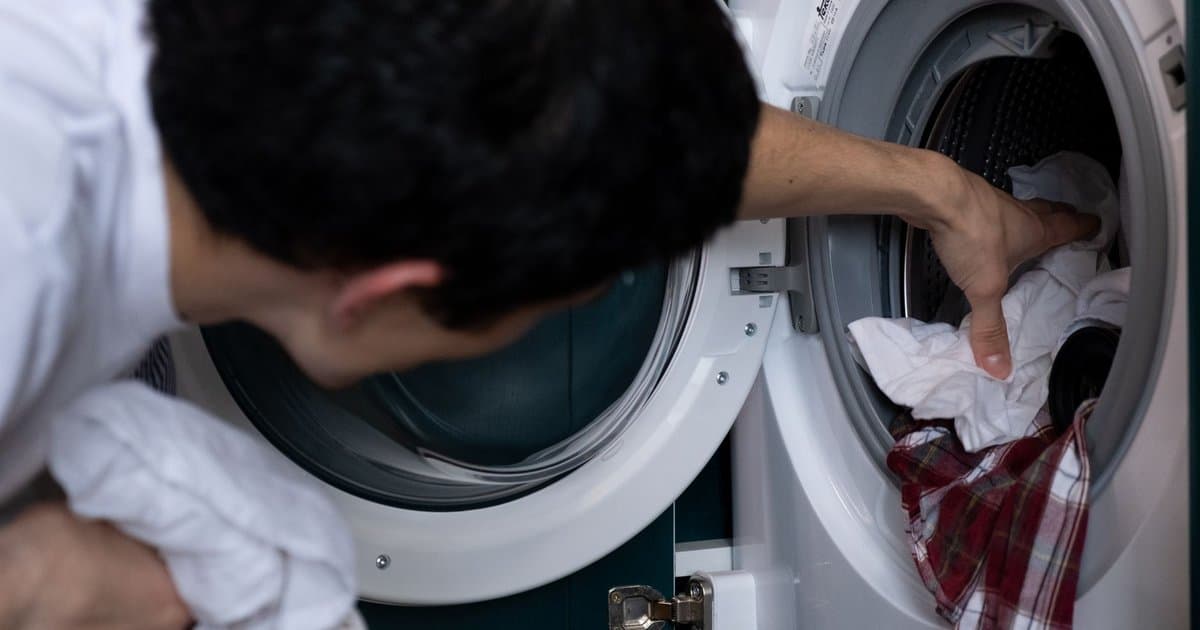
To see why, it helps to understand what is actually happening inside the machine. A wash cycle is not gentle. It is hot water, harsh detergent, and aggressive tumbling all working on the fabric at once. That combination strips the natural indigo dye, weakens the cotton fibers, and grinds the threads against each other and against the drum. Every cycle fades the color a little, thins the fabric a little, and stresses the seams a little. Do this every few wears and you compress months of wear into weeks. The dirt you were worried about was never doing a fraction of the damage the wash itself does.
There is also a reason good denim looks better the longer you go between washes, and it is not just about saving the fabric. Raw and dark denim develops fades that follow your own body, lighter at the points where you bend and sit and reach. These personalized fades are what give a pair of jeans character, and they only form when the denim is left alone long enough to set into the pattern of your life. Wash too soon and too often and you erase those marks before they ever develop, leaving you with jeans that look generically worn instead of worn by you. The patience is the whole point. Frequent washing trades a unique pair for a faded uniform one.
The obvious worry is hygiene, and it deserves an honest answer rather than a dismissal. Jeans simply do not hold odor and bacteria the way close fitting synthetic fabrics do, because thick cotton breathes and sits looser against the skin. For most people in normal daily life, a pair of jeans can go many wears between washes without any real issue. The common sense exceptions matter, of course. If you sweated heavily, spilled food, or did dirty physical work, wash them, because cleanliness comes before any fabric philosophy. The point is not to never wash jeans. The point is to stop washing them on a reflex when they are not actually dirty.
When you do need to refresh a pair without a full wash, there are gentler options that handle most situations. Airing them out overnight near an open window clears the light staleness that builds up from ordinary wear. Spot cleaning a small spill with a damp cloth deals with the problem without subjecting the whole garment to a cycle. Some people swear by folding their jeans and leaving them in the freezer overnight, and while that does not truly sanitize them, the cold air does cut down on smell between wears. None of these replace a real wash when one is needed. They simply stretch the gap so the real washes come far less often.
When the time for an actual wash does arrive, how you do it matters as much as how often. Turn the jeans inside out to protect the outer surface and the color, and use cold water with a small amount of mild detergent. Wash them on a gentle cycle or by hand, and skip the dryer entirely, because the high heat is brutal on both the fibers and the fit. Hang them to dry instead, and they will hold their shape and their color far better. The dryer is where good jeans go to shrink, fade, and fall apart faster than they ever should. Air drying is slower and entirely worth it.
The whole idea runs against the instinct that more washing equals more care, but with denim the opposite is true. The jeans you wash least, within reason, are the ones that keep their color, hold their shape, and develop the fades that make them yours. Treat them like the durable, slow aging garment they actually are rather than something to scrub clean every few days. Your jeans will last years longer, look better the whole time, and save you the cost of replacing a wardrobe staple far sooner than you needed to. Less really is more here, and your closet will show it.