You climb on the treadmill, grind out forty five minutes at a steady pace, and the screen tells you that you burned six hundred calories. You feel like you earned every bite of dinner. A month later the scale has barely moved, and the mirror tells the same story. The frustrating part is not that the math failed. The math was wrong from the start. The people who promised you cardio would melt the weight off were either misreading the research or selling something that does not work the way they said it would.
The treadmill calorie number is a guess built on broad averages, not on your body. Independent labs and the American Council on Exercise have repeatedly found that machine readouts overstate calorie burn by twenty to forty percent for most adults. Even if the number were perfect, the body responds to repeated cardio sessions by lowering resting metabolic rate, raising hunger hormones, and conserving energy in subtle ways like fidgeting less during the day. The work of Dr. Herman Pontzer at Duke on the Hadza in Tanzania showed that total human energy expenditure stays remarkably stable across activity levels. The body has a budget and it defends that budget hard. Cardio alone tries to outrun a system designed to keep you alive in a famine.
The second issue is what you lose when you do cardio without resistance training. A pound of fat and a pound of muscle weigh the same on the scale, but they look nothing alike on a body and behave nothing alike in your metabolism. High volume steady state cardio paired with a calorie deficit will burn a meaningful share of lean mass alongside the fat. You end up smaller, softer, and slower, with a metabolism that requires fewer calories to maintain. The same eating pattern that produced loss in month one stalls out by month three. By month six, gaining the weight back feels easier than the first round of loss ever was.
None of this means cardio is useless. Aerobic capacity matters for heart health, sleep, mood, recovery, and longevity. Walking and easy aerobic work build the engine that lets harder training happen. The point is that cardio is a cardiovascular intervention. It improves cardiovascular outcomes. Treating it as a primary fat loss tool ignores how the body actually composes itself. Fat loss runs on three legs: a sustained calorie deficit, adequate protein, and enough resistance training to protect or grow lean tissue while the deficit runs. Take any one leg away and the table falls.
The data on resistance training and body composition is clean. A meta analysis in the Journal of Strength and Conditioning Research found that adding two to three days of full body strength work to a moderate calorie deficit roughly doubled fat loss compared to deficit plus cardio alone over twelve weeks. Subjects in the strength group also retained more lean mass, reported lower hunger ratings, and showed a better resting energy expenditure at the end of the study. Protein intake matters as well. One gram per pound of target body weight per day is the floor most researchers agree on for someone losing weight while training hard. Below that number you leave muscle on the table and signal to the body that food is scarce.
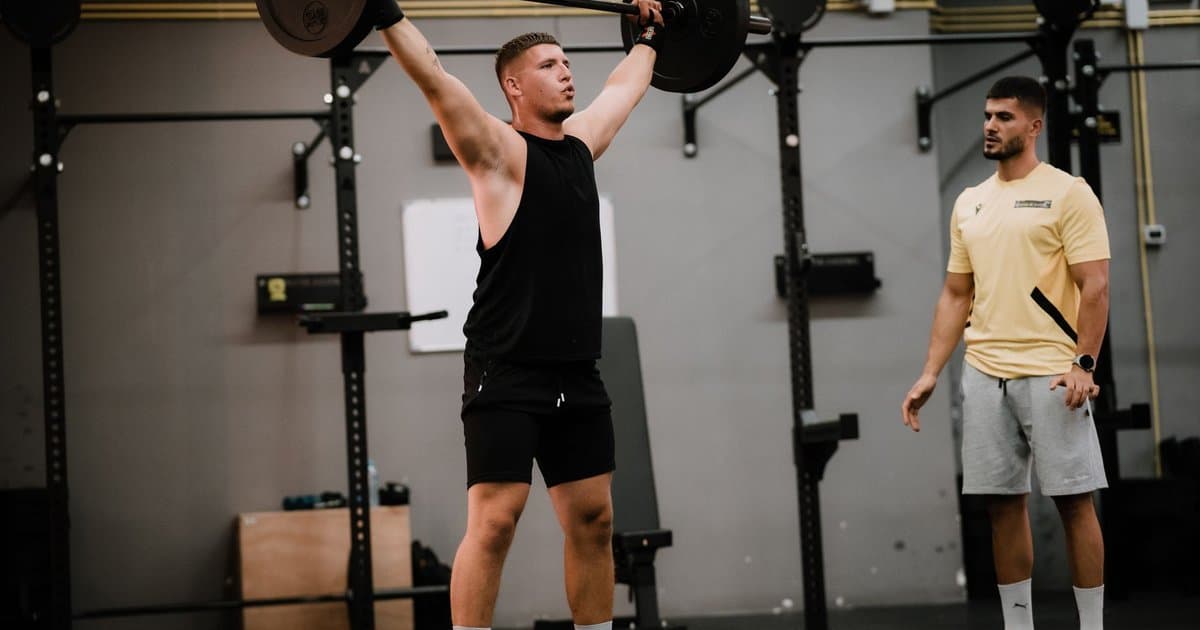
What works in practice is boring on purpose. Two to four strength sessions per week, focused on compound lifts, eight to fifteen rep ranges for most sets, with weight or reps going up week over week. Daily walking in the eight to twelve thousand step range to keep general activity high without triggering hunger or fatigue. One or two moderate cardio sessions per week, twenty to forty minutes each, for heart health and recovery. Protein at every meal. A calorie deficit small enough that you can hold it for sixteen weeks without willpower burning out. The program does not photograph well. It does not sell apps. It just works.
If you have been pouring hours into cardio and getting nothing back, the problem was never your effort or your discipline. The problem was the framework. Switch the order of operations. Build the muscle that sets the metabolic floor. Eat the protein that protects what you build. Walk for movement and recovery. Run or bike for your heart, not for your waistline. The body responds to what you ask of it, and steady state cardio asks the wrong question. Ask the right one and the answer shows up faster than any treadmill ever delivered.