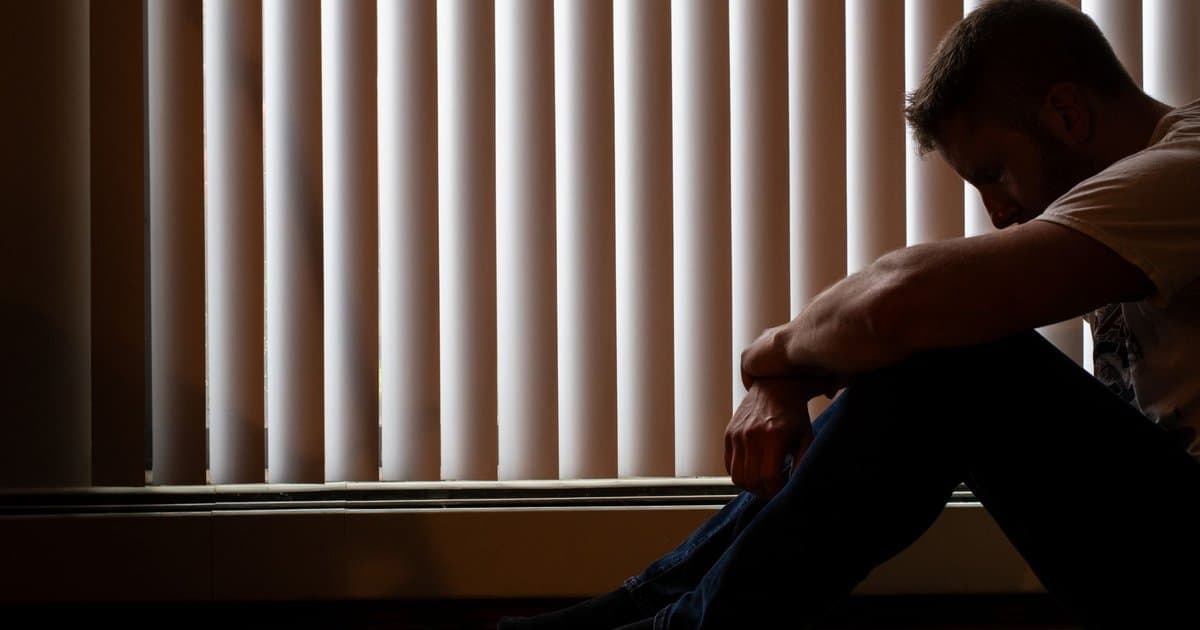
Most people think procrastination is a flaw in their discipline, a sign they are lazy or weak willed. They buy planners, download apps, and promise to try harder, and then they put off the same task again the next day. The reason none of it works is that they are treating the wrong problem. Researchers who study procrastination have landed on a different explanation, and it reframes the whole thing. Procrastination is not a time management failure. It is an emotion management strategy, a way of escaping a bad feeling in the moment, even when it costs you later.
Here is what is actually happening when you avoid a task. The task is attached to an uncomfortable emotion, boredom, anxiety, self doubt, the fear that you will do it badly, or the dread of something tedious. Your brain wants relief from that feeling right now, so it steers you toward something that feels better, the phone, the snack, the suddenly urgent need to clean your desk. The relief is real and immediate, which is exactly why the habit is so sticky. You are not avoiding the work because you do not care about it. You are avoiding the feeling the work brings up, and the work just happens to be carrying that feeling.
This is why the people who procrastinate most are often the ones who care most. Perfectionists put things off because the gap between the standard in their head and the messy first attempt feels unbearable. Anxious people delay because starting makes the threat feel real, while avoiding it keeps the threat at arm's length for a few more hours. The task becomes a symbol of something painful, and the mind does what minds do, it flinches away. Telling someone like this to just try harder misses the point entirely. They are already trying hard, just at the wrong target, fighting their willpower instead of the emotion underneath it.
There is one more piece that locks the cycle in place, and it is the cruelest part. After you procrastinate, you feel guilty, ashamed, and disappointed in yourself. Those feelings are uncomfortable, so the next time you sit down to work, the task is now loaded with even more bad emotion than before. You avoid it again to escape the new, heavier dread, which produces more guilt, which makes the next attempt worse. The loop feeds itself, and each round convinces you a little more that you are simply the kind of person who cannot follow through. The story you tell about your own laziness becomes the fuel that keeps the avoidance going.
Once you see procrastination as mood repair, the way out becomes clear, because you can finally aim at the real target. The first move is to forgive yourself for past delays, and this is not soft advice. A study of college students found that those who forgave themselves for procrastinating on one exam actually procrastinated less on the next one, because they carried less shame into it. The second move is to make the emotion smaller instead of making the task bigger. Shrink the first step until it is almost laughable, open the document, write one bad sentence, set a timer for five minutes, and let yourself stop after. The point is to break the link between the task and the dread by proving the feeling is survivable.
You can also get curious instead of harsh. When you catch yourself reaching for your phone, pause and ask what feeling you are trying to escape, and name it plainly. Boredom, fear of failing, resentment that the task is unfair, just naming it takes some of its power away and creates a sliver of choice. Then choose the smallest possible action toward the thing, not the whole mountain, just the next step. This works because it treats the actual cause, the emotion, rather than the symptom, the delay. It also helps to notice the difference between the task you imagine and the task in front of you, because the version in your head is almost always heavier and scarier than the real one. The dread lives in the buildup, not in the doing, and most people find that once they start, the feeling they were avoiding shrinks within a few minutes. The anticipation is almost always worse than the event, which is why action is the fastest cure for the very anxiety that blocks it. That is the quiet trick at the center of all of this. You do not have to feel ready to begin, you only have to begin, and the readiness tends to arrive once you are already moving. You are not lazy, and no planner was ever going to fix this. You are managing a hard feeling badly, and once you learn to manage it gently, the work stops being something you flee and starts being something you can simply begin.