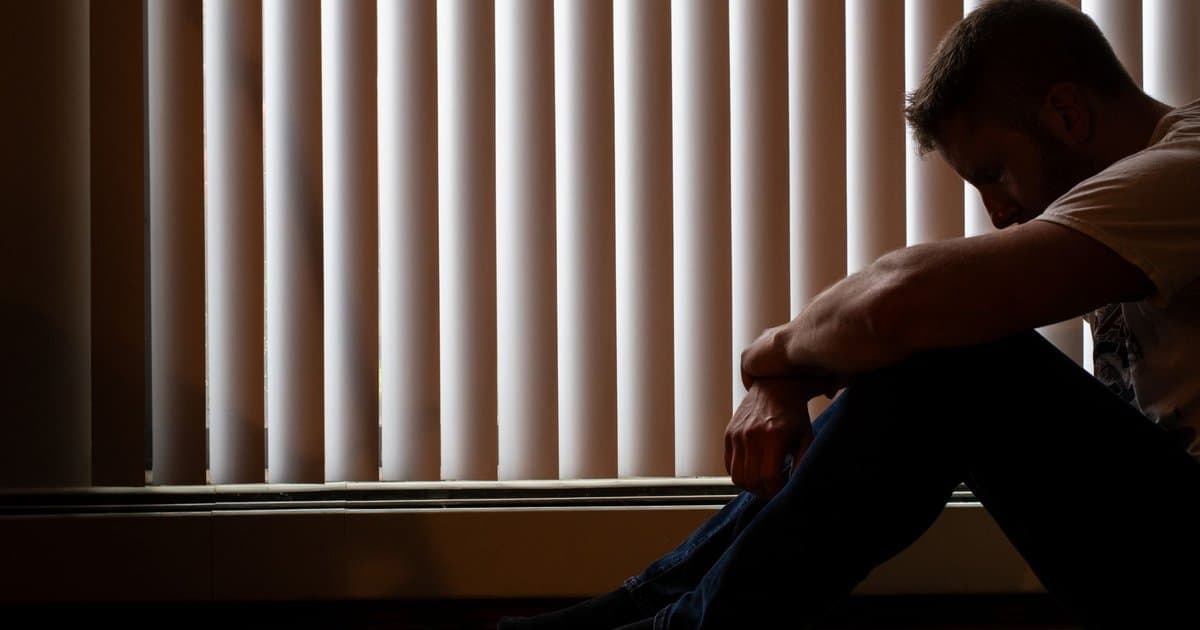
Most people who struggle with anxiety are not making some exotic error. They are doing the most natural thing in the world, which is avoiding whatever makes them feel anxious. The phone call gets pushed to tomorrow. The social event gets a polite excuse. The hard conversation keeps getting rescheduled in your head until it disappears. Each time you step around the thing that scares you, you feel an immediate wave of relief, and that relief feels like proof you made the right call. That relief is the trap, because it is training your brain to treat ordinary situations as genuine threats.
Here is the mechanism, and it is worth slowing down to understand it. Your brain learns from what happens right after you act, not from what you intended. When you avoid something that feels frightening and then feel better, your brain quietly files that situation under danger and marks avoidance as the solution that worked. The next time the same situation appears, the alarm rings a little louder and a little earlier, because the brain is now more convinced the threat is real. Avoidance does not shrink anxiety, it feeds it, and it does so on a schedule you never agreed to. The single mistake is believing that steering clear of discomfort is the same as managing it.
The stakes climb because the pattern does not stay contained. What starts as ducking one uncomfortable phone call slowly spreads, since the brain keeps generalizing the lesson to anything that rhymes with the original fear. A person who avoids one awkward conversation can, over months, find themselves avoiding email, then meetings, then leaving the house for anything optional. The world gets smaller one reasonable-seeming decision at a time, and from the inside it never looks like a crisis, just a series of careful choices. By the time the cost is obvious, the habit has deep roots, and untangling it takes far more effort than the original discomfort ever would have. The relief you bought up front gets paid back with interest.
Breaking the loop runs on the opposite move, which is approaching the thing in doses small enough that you can stay with the discomfort instead of fleeing it. You do not have to charge at your biggest fear on day one, and you should not. You pick something mildly uncomfortable, you do it, and you let your body learn the ending it never gets to see when you run, which is that the feeling crests and then falls on its own. That falling is the real lesson, and your nervous system can only learn it through experience, never through reassurance. Stack enough of those small completed reps and the alarm starts to quiet, because the brain finally has evidence that the situation was survivable. Calm is not the absence of fear, it is what grows after you stop teaching yourself to flee.
None of this means you should bulldoze through panic or ignore what your body is telling you. There is a real difference between avoiding a parking lot at night and avoiding a voicemail, and good judgment still matters. The point is narrower and more useful, which is that the everyday discomforts most of us dodge are usually safe, and dodging them is what keeps them feeling unsafe. If you want anxiety to get quieter over time, the path runs straight through the things you have been avoiding, taken in pieces you can handle. The discomfort is not the enemy, it is the doorway, and the only way past it is through it. Start with one small thing today, and let your brain collect the proof.
If anxiety is consistently interfering with your work, sleep, or relationships, this is a sensitive area and worth raising with a licensed mental health professional who can tailor an approach to your situation. Self-directed exposure helps many people, but it is not a substitute for care when symptoms are severe or persistent. The good news is that this is one of the most studied and most treatable patterns in all of mental health, and the basic principle is simple even when the work is hard. You do not have to do it alone, and you do not have to do it perfectly. You only have to stop running long enough for the feeling to teach you what it has been trying to say. That single shift changes everything downstream.