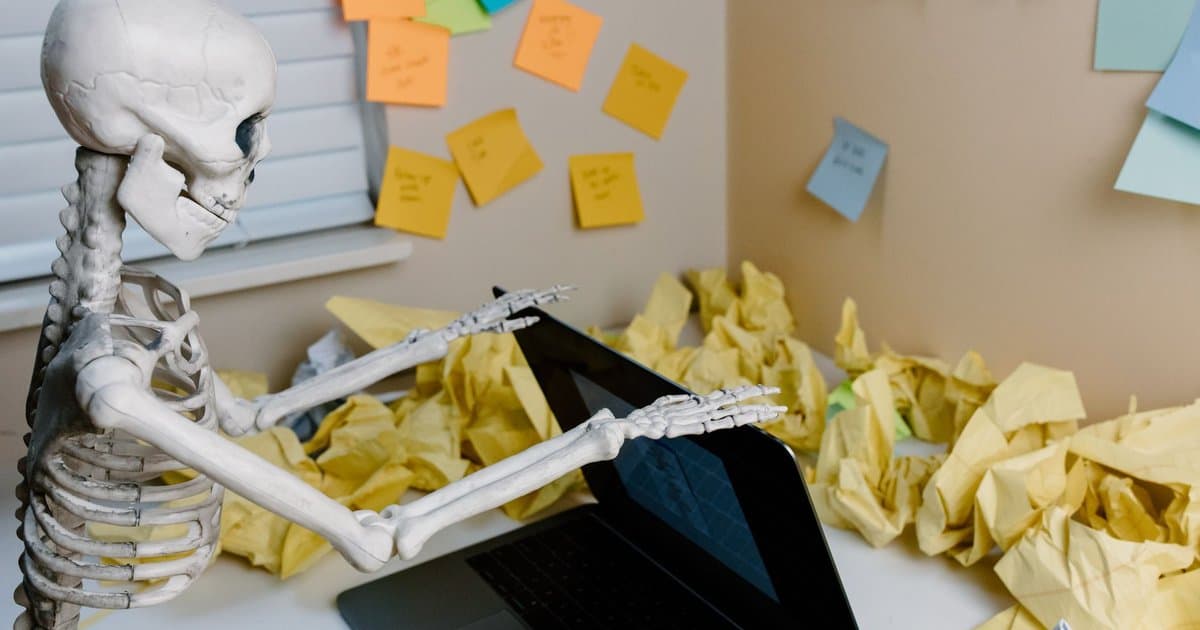
There is a strange kind of task that sits on your list for days even though it would take four minutes to finish. A short email. A phone call to reschedule an appointment. A form that needs one signature. You are not lazy, because you will happily tackle harder things while that tiny task keeps getting pushed to tomorrow. This is the part of procrastination that confuses people the most, and it is the clue that unlocks the whole thing. The problem was never the difficulty of the task. It was the feeling attached to it.
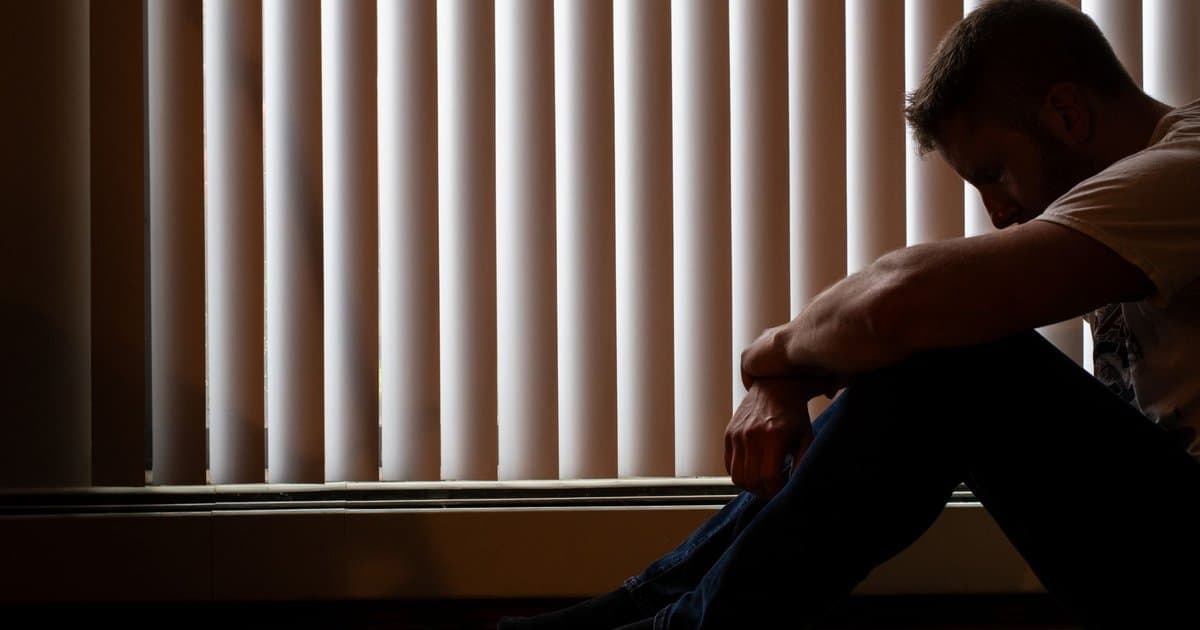
The real reason you delay is that procrastination is a way of managing mood, not managing time. When a task carries even a small amount of discomfort, your brain looks for relief, and the fastest relief available is to avoid the task and do something easier instead. That discomfort can be boredom, anxiety, self-doubt, resentment, or the vague dread of not knowing exactly how to start. The moment you turn away from the task, the bad feeling drops, and that drop feels like a reward. So you learn, without meaning to, that avoidance works. The task did not get easier, but you got a hit of temporary comfort, and the pattern gets reinforced.
This explains why easy tasks sometimes get avoided the longest. A small task can carry an outsized emotional weight for reasons that have nothing to do with effort. Maybe the email means admitting you dropped the ball, so sending it stings. Maybe the phone call forces a conversation you would rather not have. Maybe the task is so trivial that starting it feels like proof you have been avoiding it for no reason, which is its own kind of embarrassment. The size of the task and the size of the feeling are not the same thing. Your brain reacts to the feeling.
Underneath all of this is a basic tug of war in the brain. One part of you plans for the future and knows the task matters, while an older, faster part chases immediate comfort and pushes the future away. When the two disagree, the part that wants relief now usually wins, especially when you are tired, stressed, or low on willpower. Each time it wins, the loop tightens, because avoidance gets rehearsed like any other habit. That is why procrastination tends to snowball rather than fade. The relief is real, but it is short, and the task is still waiting when the relief runs out.
Here is where most people make it worse. They decide the answer is to force themselves harder and to feel ashamed for being weak. But shame is itself an uncomfortable feeling, and your brain manages it the same way it manages the task, by looking for escape. Studies on students have found that people who forgive themselves for procrastinating actually procrastinate less on the next round, while those who beat themselves up tend to repeat the pattern. The harsh inner voice does not motivate you. It adds another layer of discomfort to avoid, and the avoidance grows. Self-blame feels productive, but it quietly fuels the exact thing you are trying to stop.
Once you see procrastination as an emotion problem, better tools appear. Start by naming the feeling honestly, because "I am avoiding this because it makes me anxious" is easier to work with than "I am just lazy." Then shrink the first step until it is almost too small to refuse, like opening the document or writing one sentence, so the dread has nothing to grab. Remove ambiguity by deciding in advance exactly when and where you will do it, since a clear plan lowers the emotional friction. Give yourself permission to do it badly on the first pass. And when you slip, drop the self-punishment and just start again, because that is what actually breaks the cycle.
The larger shift is to stop treating procrastination as a character flaw and start treating it as information. When you keep avoiding something, your brain is telling you a feeling is in the way, and the useful question is which feeling and why. Sometimes the answer points to fear, sometimes to unclear expectations, sometimes to a task that is not really yours to do. You get further by addressing the emotion than by grinding on the clock. None of this makes procrastination vanish for good, and that is not the goal. The goal is to stop fighting yourself and start working with how your mind actually runs.
Procrastination and the feelings behind it can weigh on anyone, and if that struggle ever starts to feel heavier than everyday stress, talking with a counselor or someone you trust is a healthy next step.