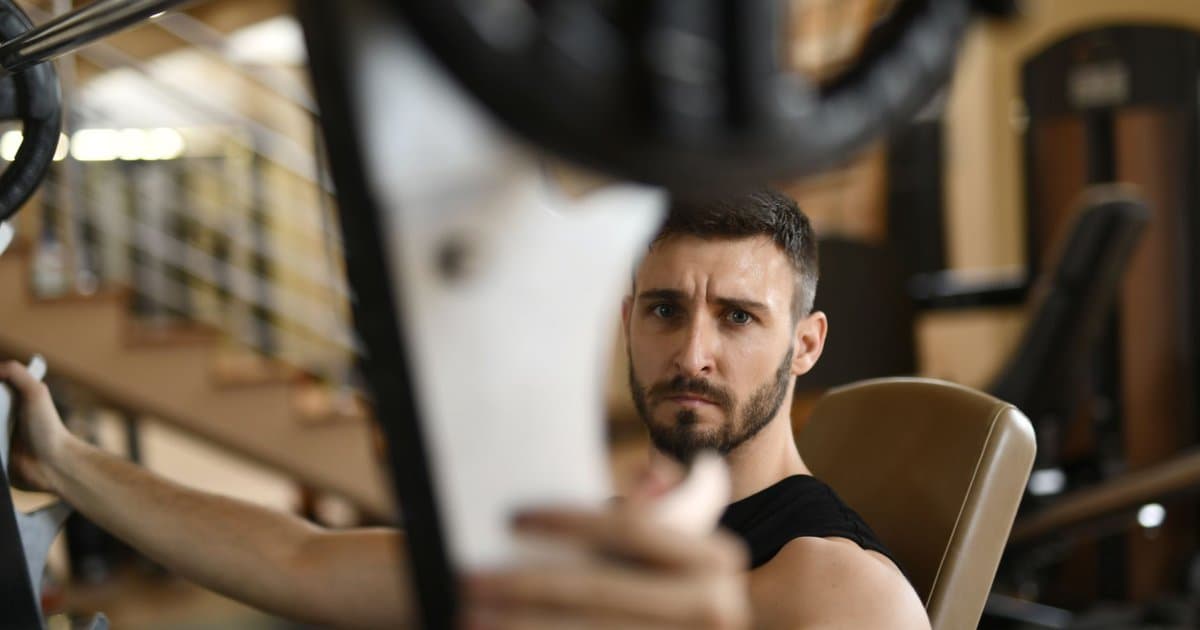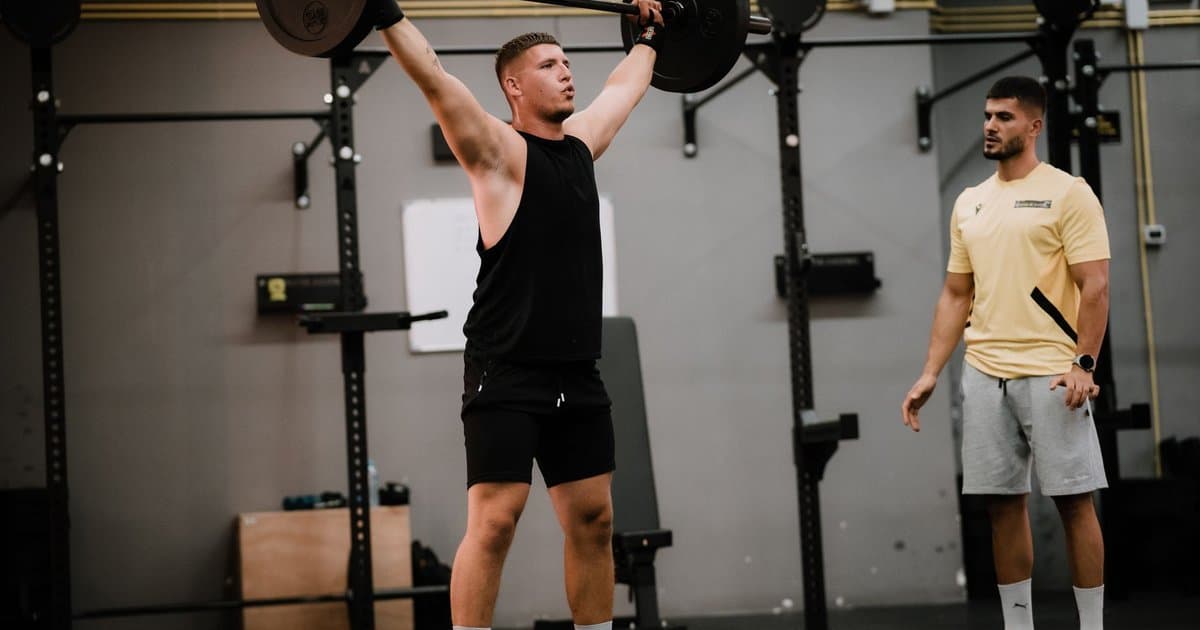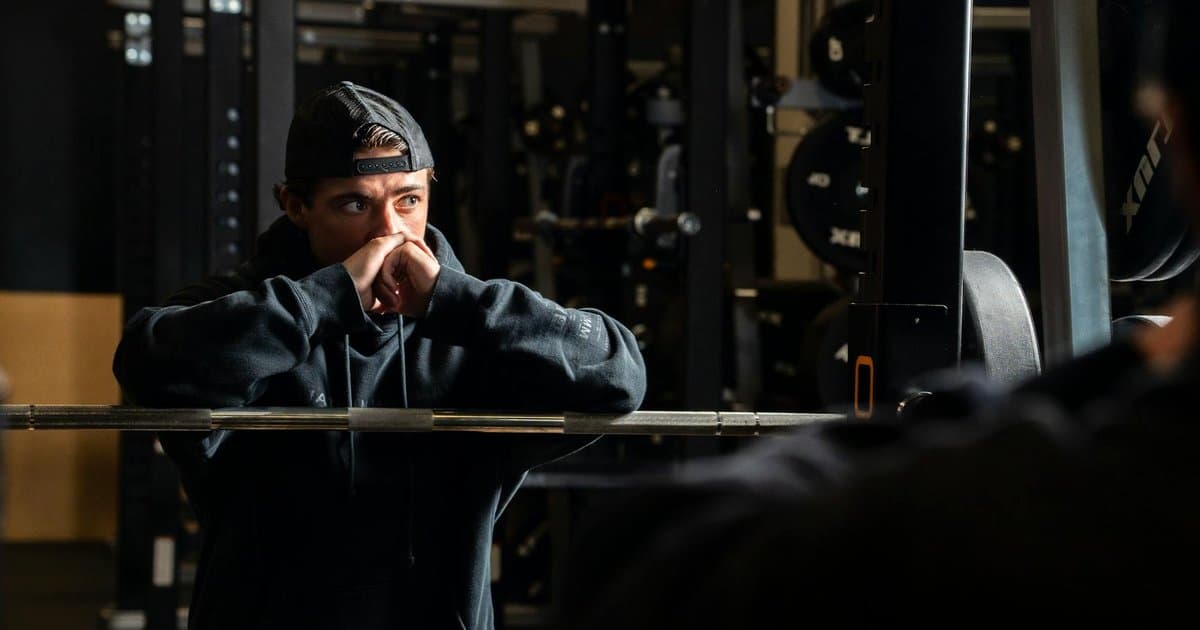
Most people in a gym treat the rest between sets as wasted time. They cut it short to keep the heart rate up, to feel like they are working hard, or simply because standing around feels lazy. The number that actually matters for building strength is closer to two minutes, and for heavy compound lifts it can stretch to three minutes or more. That single change, resting longer than feels comfortable, separates people who keep adding weight from people who stall for years. It sounds almost too simple to make a difference. The reason it works has very little to do with willpower and everything to do with how a muscle recovers between hard efforts.
When you finish a challenging set, the muscle has burned through its quick energy stores and built up fatigue products that blunt force production. Those energy systems need time to refill before the next set, and the bulk of that recovery happens in the first couple of minutes. If you start the next set after thirty or forty seconds, you are asking a half-recovered muscle to perform, so you get fewer quality reps and have to drop the weight. Over a full workout that adds up to far less total work at meaningful loads. The short rest feels harder in the moment, but it quietly shrinks the amount of real training you actually complete. Effort and productivity are not the same thing.
Short rest periods became popular because they feel intense and they leave you sweaty and out of breath. That sensation gets confused with progress, when it is really just a sign of metabolic stress rather than strength work. There is a place for shorter rest, mostly in conditioning or when the goal is to pack a lot of volume into a tight window. But if the goal on a given lift is to get stronger, rushing back to the bar works against you. The muscle does not care how tired you feel. It responds to the load you can move and the number of solid reps you can produce across the whole session.
The research here is fairly settled and has been for a while. Studies that compare longer rest, around two to three minutes, against shorter rest of one minute or less consistently show more total volume and better strength gains with the longer breaks. The longer rest also tends to support muscle growth, because growth is driven largely by the amount of challenging work you accumulate over time. People assume short rest builds more muscle because it feels brutal, but the evidence points the other way for most trainees. The discomfort of a short rest is real. It is just not the same as a better result.
How you apply this depends on what you are training and how heavy it is. For big compound movements like squats, deadlifts, presses, and rows performed with heavy weight, two to three minutes is a reasonable floor, and stronger lifters often need more. For moderate hypertrophy work in the eight to twelve rep range, ninety seconds to two minutes works well for most people. For smaller isolation movements like curls or lateral raises, you can get away with a bit less, since a small muscle recovers faster and the loads are lower. The key is to match the rest to the demand of the lift instead of using one rushed clock for everything you do.
The simplest fix is to stop guessing and actually time your rest. Most people drastically underestimate how long they wait, and the truth is they often rush back far sooner than they think. Use the timer on your phone, set it for the interval the lift calls for, and do not start the next set until it goes off. It will feel strange and even unproductive at first, especially if you are used to chasing a constant burn. Give it a few weeks and watch what happens to the weight on the bar. The rest you were treating as dead time turns out to be one of the most useful tools you have.