Most gym injuries that show up in the shoulder are not shoulder problems. They are pull-push imbalance problems. Physical therapists who work with strength athletes have been saying this for twenty years and the published numbers back it up. A 2023 review in the Journal of Strength and Conditioning Research looked at 14 studies and found the average recreational lifter pushes about 2.4 times more volume than they pull. That ratio should be closer to one-to-one, and for some clients, biased heavier toward pulling. The fix is not complicated and it does not require new equipment. The fix is doing the right five movements consistently.
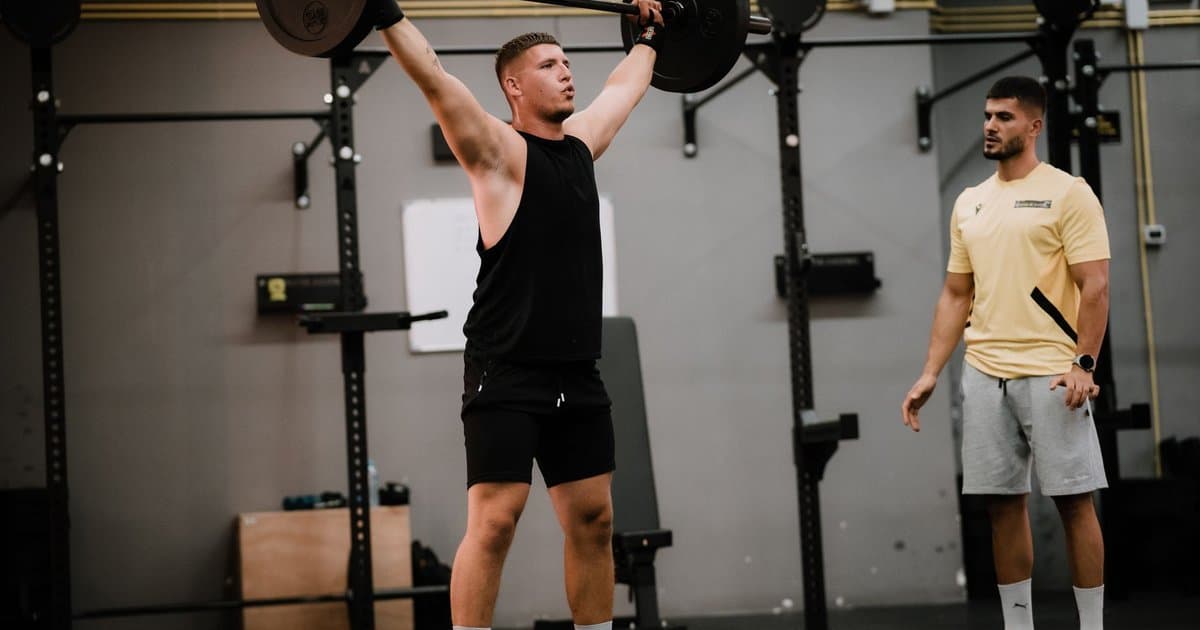
The first move is the bent-over barbell row. Hinge at the hip to roughly 30 to 45 degrees of trunk lean, keep the bar against the front of the thigh, and pull to the lower ribs with the elbows tracking back at about 45 degrees from the torso. Three to four sets of six to ten repetitions, two times per week, is enough to build the entire mid and upper back. The classic mistake is jerking from the hip and turning the movement into a hybrid clean. The cleaner version uses a slow eccentric, around three seconds down, and a controlled pull. A lifter who can row 1.2 times their bodyweight for eight clean reps has a back that can handle almost anything else they ask of it.
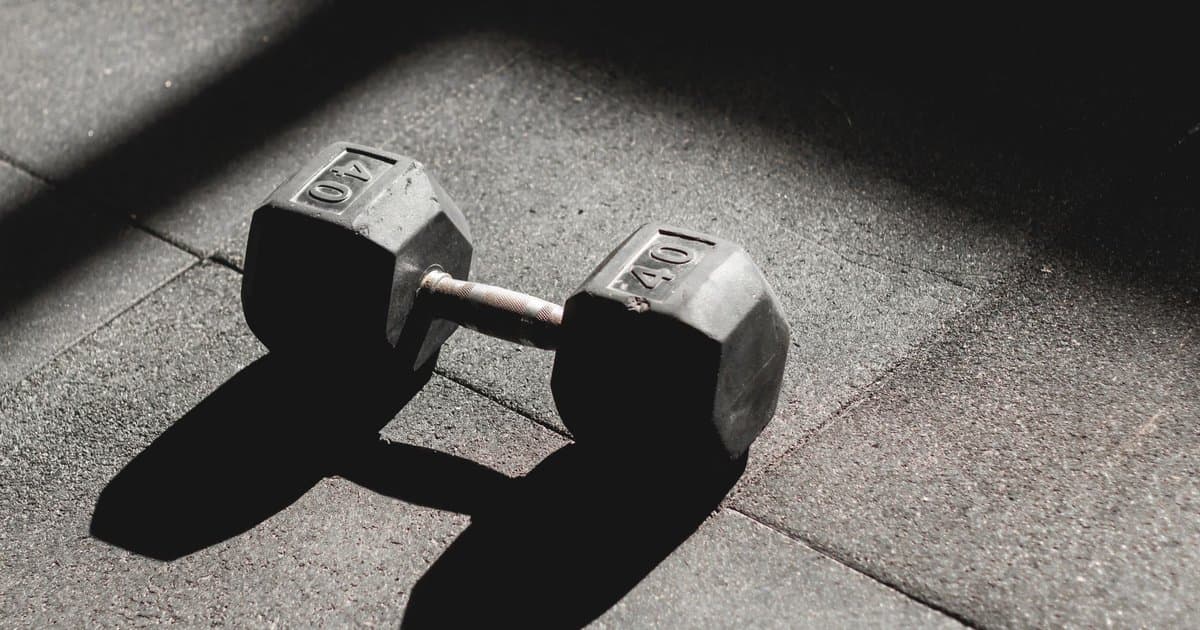
The second move is the one-arm dumbbell row. The unilateral version corrects side-to-side imbalances that show up in almost every two-arm puller and lets the working side rotate slightly through the motion, which trains the lats through a longer range. Set up with one knee and one hand on a flat bench, dumbbell in the free hand, and pull to the hip rather than the chest. The pulling path is short and the contraction at the top is the point. Three sets of eight to twelve per side is the standard prescription. Most lifters can handle around 70 to 75 percent of their barbell row load per arm once they get the position dialed in.
The third move is the pull-up. Strict, full range of motion, with the chin clearing the bar and the arms reaching dead hang at the bottom. Pull-ups train the lats more directly than any horizontal pull, and they translate to grip strength, rear-deltoid health, and shoulder stability in ways the barbell row does not. Three sets of as many as possible, with a target of five clean reps before adding weight. People who cannot do a pull-up yet should work in four phases: dead hangs for thirty seconds, scapular pulls, eccentric pull-ups with a five-second descent, and band-assisted full reps. Most working adults can build to five strict pull-ups inside eight weeks if they train them three times a week.
The fourth move is the face pull. This is the one most lifters skip, and it is also the one that prevents most pulling-related shoulder issues. Use a rope attachment, set the cable at eye level, and pull the rope toward the face with the elbows high and the hands separating at the end of the motion. Two to three sets of fifteen to twenty repetitions, performed lightly, trains the rear delts, mid traps, and external rotators of the shoulder. Loaded face pulls turn into upright rows, which defeats the purpose. The face pull should be the slow controlled finisher at the end of a pulling day, not a main lift.
The fifth move is the chest-supported row. T-bar, dumbbell, or machine, the chest-supported row removes the lower back from the equation and lets a tired lifter add quality back volume late in the session without compromising form. Three sets of ten to fifteen repetitions, with a one-second pause at the top of each rep, hammers the mid back and rear delts without taxing the spinal erectors. Lifters who want to add visible thickness to the back find this is the move that does it. It is also the row that beginners can learn fastest because the chest pad teaches the right line of pull. Two times per week, rotated with the barbell row, is the standard pairing.
A weekly back program built around these five moves works for almost any goal. Two pulling days per week, six to eight working sets per session, with the barbell row and pull-up as the heavy compounds and the dumbbell row, face pull, and chest-supported row as the volume work, will pay back inside a month. Pulling more than you push is also one of the cheapest insurance policies a lifter can buy against future shoulder pain. Posture improves. Grip improves. The bench press, ironically, also improves. The back is the engine of the upper body. It deserves more than the two sets of cable rows most programs give it.