When the market gets tight and several buyers are circling the same house, agents will sometimes suggest waiving the inspection to make your offer stand out. It feels like a small price to pay to win, and in the rush of competing you can convince yourself the house looks fine. The trouble is that a house is mostly the parts you cannot see. The roof, the foundation, the wiring, the pipes behind the walls, and the furnace in the basement are where the real money lives, and none of them announce their condition during a twenty minute walkthrough. Skip the inspection and you are not saving a few hundred dollars, you are agreeing to own whatever is wrong before you even know what that is. The repairs do not disappear because you chose not to look. They simply become yours.
An inspection is the one step in the whole process built solely to protect you. The seller wants the sale to close, the agents want the deal done, and the lender cares mainly that the numbers work. The inspector works for you and answers one question, which is what is actually wrong with this house. A good one spends two or three hours crawling through spaces you would never check, testing systems, and writing down everything from a cracked heat exchanger to a slow leak under a sink. That report becomes your map of what you are buying. Without it you are making one of the largest purchases of your life on hope, and hope has a poor track record against a forty year old roof.
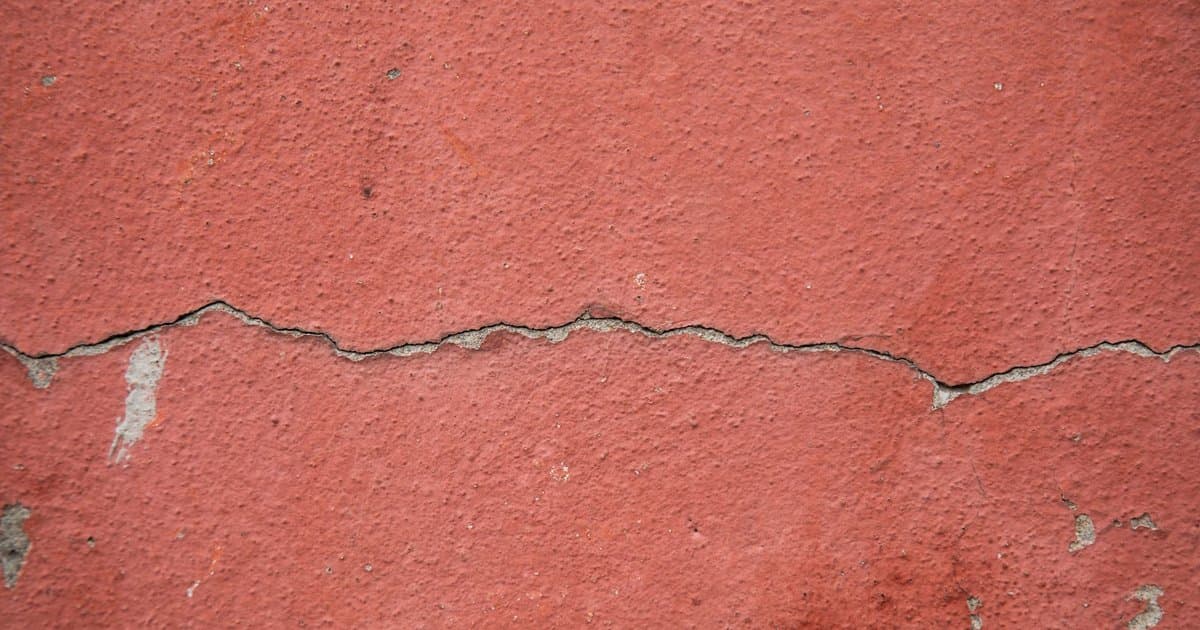
The math is where waiving really bites. A standard inspection runs a few hundred dollars in most markets, which feels like a lot when you are already stretched thin on a down payment. Now set that against what the hidden problems actually cost. A failing roof can run ten to twenty thousand dollars to replace. A cracked foundation can climb past thirty thousand once the structural work is done. A dead furnace, outdated electrical panel, or a sewer line that needs digging up can each cost thousands on their own. You skipped a few hundred dollars to avoid finding out, and the bill that shows up six months later does not care how competitive the offer was. The savings were never real, they were just delayed. A house does not get cheaper to fix because you closed your eyes during the walkthrough. The damage was there the whole time, patiently waiting for a new owner to take it on.
There is also the matter of what an inspection lets you do after you read it. Finding a problem does not always mean walking away. It gives you room to ask the seller to fix the issue, to lower the price, or to give you a credit at closing to handle it yourself. Buyers who inspect routinely save far more than the cost of the report by renegotiating once the facts are on the table. When you waive that step, you give up that negotiating power along with the knowledge. You sign at full price for a house you have not truly examined, and you forfeit every chance to make the seller share the cost of what they were quietly hoping you would not find.
If you genuinely must compete in a market where waiving feels unavoidable, there are smarter middle paths. You can keep the inspection but tell the seller you will not ask for repairs unless something major turns up, which keeps your eyes open while still making the offer attractive. You can use a shorter inspection window so the seller is not waiting long. Some buyers pay for a quick pre offer inspection so they know what they are bidding on before they write a single number. Each of these keeps the information flowing to you, which is the entire point. The goal is never to look strong on paper. The goal is to avoid buying a money pit you cannot see into.
A house is not a phone you can return or a car with a warranty. Once you close, the problems are yours alone, and the people who encouraged you to skip the look will have moved on to the next deal. The few hundred dollars an inspection costs is the cheapest insurance you will buy in the entire transaction. Think of it less as a fee and more as the cost of seeing clearly before you commit. No other step in the purchase gives you that much certainty for that little money. It is the difference between knowing what you own and finding out the hard way. In a market that pushes you to move fast and waive protections, the steadiest move is the boring one. Pay for the look, read the report, and let the facts decide whether this is the house or just the one you almost overpaid for.