There is a line every homeowner has heard, usually from a contractor holding a quote. Kitchens and baths sell houses, so the money comes back when you list. It sounds right because kitchens are where people stand at parties and where buyers linger on a tour. The industry data has said something different for more than twenty years, and the gap is not small. A full kitchen remodel is one of the worst returns in home improvement when measured against resale. That does not mean you should never do one, but it does mean you should stop calling it an investment. The difference between enjoying a kitchen and expecting it to pay you back is the whole argument.
The numbers come from an annual study that compares what projects cost against what they add to resale value in the same year. A major midrange kitchen remodel has landed near half of its cost recovered in recent editions. Take the project upscale, with custom cabinets and stone counters, and the recovery drops further, into the thirties in many markets. Meanwhile a garage door replacement has repeatedly returned more than its full cost. Entry door replacement, siding, and manufactured stone veneer all beat every major interior project on the list. The cheapest work outperforms the most expensive work almost every year. That ranking has held steady long enough that it is not a fluke of one market or one year.
The reason is not mysterious once you see how a house gets priced. An appraiser does not add up your receipts. They find recent sales of similar homes nearby and adjust for real differences in size, bed and bath count, lot, and condition. Your kitchen shows up in that math as a condition adjustment, not as a line item for what you spent. If the comparable homes on your street also have updated kitchens, yours moves you from behind to even, which is worth something but is not worth sixty thousand dollars. If your kitchen was already fine, the upgrade earns very little. Spending has to change your position against the comps to change your price. Receipts persuade nobody in that process, and they never become part of the appraisal file at all.
Neighborhood ceilings make this sharper. Every street has a rough top price that buyers in that area will pay, set by school zone, lot sizes, and what sold last year. Push a house well above that ceiling and the extra spending stops converting into price. This is what agents mean by over improving, and it is the most common expensive mistake in residential real estate. The owner with the best kitchen on a block of average houses does not get the best price on the block. They get an average price and a very nice place to cook. Check what the top three sales on your street closed for before you sign a large quote.
Curb appeal wins because of when it works on the buyer. Most buyers now form an opinion from photos before they ever schedule a tour, and the first photo is the front of the house. A sagging garage door, faded siding, and a tired front door read as deferred maintenance, and buyers price deferred maintenance as risk. Fixing those items costs a few thousand dollars and removes a reason to skip your listing entirely. A kitchen can only impress people who show up. The outside decides who shows up at all. A listing that gets skipped in the feed never gets the chance to impress anyone.
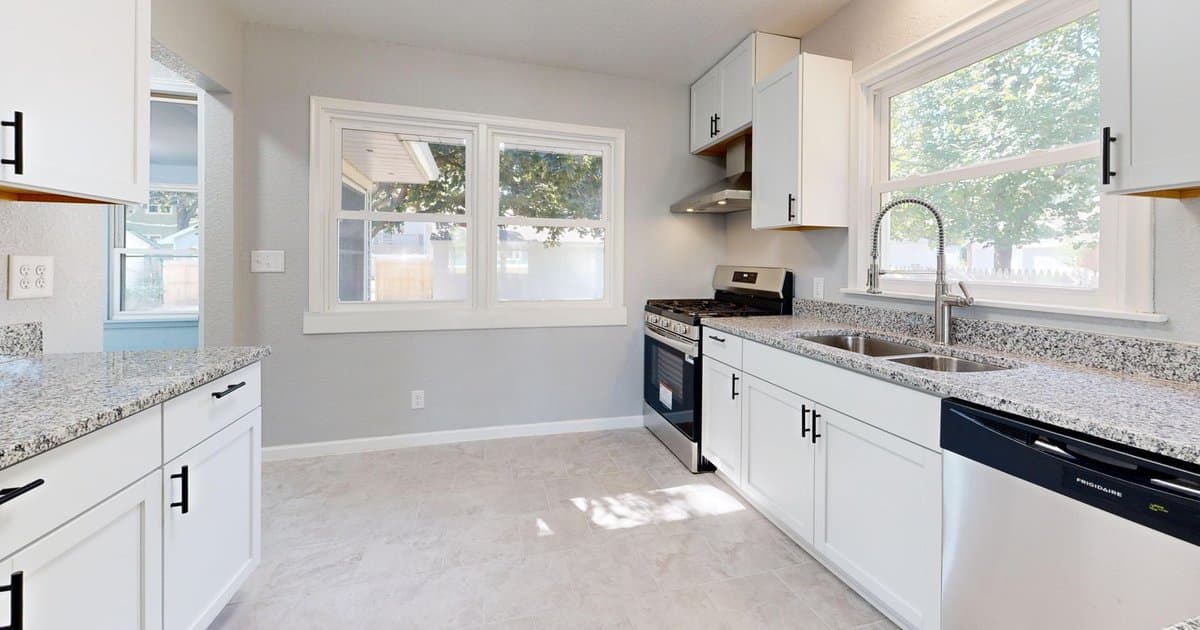
There is one exception worth naming. A minor kitchen refresh, meaning new fronts on existing cabinets, new hardware, a new sink and faucet, and paint, has posted far better returns than a gut job. It keeps the layout and the boxes, which is where most of the money and most of the labor go. If your kitchen functions and just looks dated, the refresh gets you most of the visual result for a fraction of the spend. That is the version that actually competes with the exterior projects on the list. Refacing runs a fraction of a full tear out, and most buyers cannot tell the difference in a photo.
So decide which purchase you are making, because both are legitimate. If you plan to live there another ten years and you cook every day, build the kitchen you want and enjoy it, the same way you would buy a good car. If you plan to sell inside two years, put the money where buyers form first impressions and where the comps say you are behind. The mistake is doing the second while telling yourself it is the first. Call it what it is and the decision gets easier. Both purchases are fine, and only one of them belongs in a spreadsheet with a return on it.