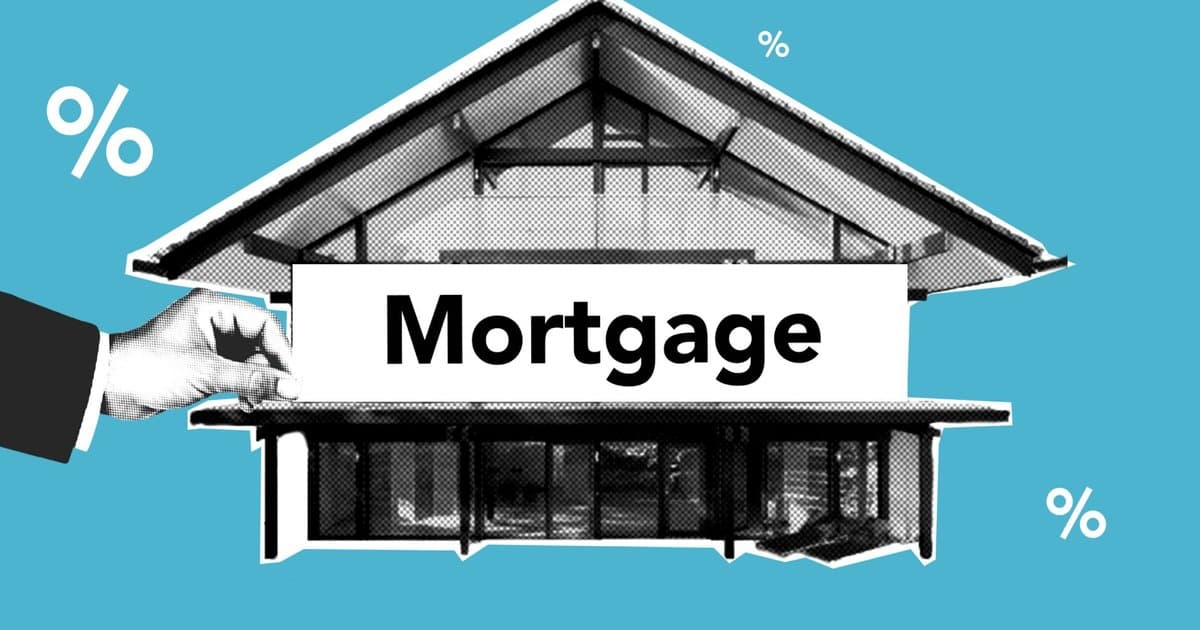
In a hot market, houses sell in days and buyers feel the squeeze. You find one you love, and so do six other people. Your agent tells you that to win, you should waive the inspection. Sellers like clean offers with no strings, and dropping the inspection makes yours look strong. It is tempting, because you are tired of losing and you want the keys. But that one move can be the most expensive thing you ever do to save a little time.
A home inspection is a few hundred dollars for a trained set of eyes on the house. The inspector spends hours checking the parts you cannot see or judge on a quick tour. They look at the roof, the foundation, the heating and cooling, the wiring, and the pipes. They test what works and flag what does not. Then they hand you a report that spells out what is fine, what is worn, and what is a real problem. It is the one chance to learn the truth before the house becomes yours.
Skip that step and you are buying blind. The pretty kitchen and the fresh paint tell you nothing about the bones of the place. A roof near the end of its life can look fine from the street and cost a fortune to replace. A cracked foundation can hide behind a finished wall. Old wiring, a dying furnace, a slow leak under the house, none of these show up on a weekend walk-through. The inspection exists to pull those hidden costs into the light while you can still act on them.
Put dollars on what you are risking, because the numbers are not small. A new roof can run ten to thirty thousand dollars or more. A foundation fix can climb past that in a hurry. A full heating and cooling system is often near ten thousand. Old plumbing or a full rewire can each cost many thousands more. Waive the inspection and any of these become your surprise the week after you move in. The money you saved to win the deal can disappear many times over.
The stakes are not only about money either. Some of what an inspector finds can hurt you and your family. A cracked heat exchanger can leak gas into the home. Old wiring can start a fire in the walls. Mold behind a wall can make people sick over time. A deck built wrong can give way under a crowd. These are not simple repair line items. These are safety problems that you would want to know about before you sign, not after your kids are asleep upstairs.
Sellers love a waiver because it strips away your power. The inspection does more than inform you, it gives you room to act. With a report in hand, you can ask the seller to fix things, drop the price, or credit you at closing. You can also walk away and keep your deposit if the house is a wreck. Give up the inspection and you give up all of that at once. You are agreeing to take the house as it stands, flaws and all, mostly sight unseen.
The good news is that you do not have to choose between blind and out of the running. Ask for an inspection for information only, where you still get the report but promise not to nickel and dime the seller over small stuff. You can shorten the window to a couple of days so the deal keeps moving fast. You can tell the seller you will only walk for major issues above a set dollar amount. These middle paths let you compete hard without betting your savings on pure hope.
Buying a home is likely the biggest check you will ever write. Losing a few bidding wars is annoying, but it is not a disaster. Moving into a money pit you were warned to check is a disaster. Protect yourself with real eyes on the house before it becomes yours. Find a way to stay competitive that does not require you to go in blind. The house that needs you to skip the inspection just to afford it is often the house you cannot afford.