Walk into any youth sports complex on a weekend and you will hear the same advice repeated by parents and coaches. If your child wants to go far, they need to pick one sport early and commit to it fully. The logic sounds airtight. More reps in a single sport should mean faster progress, more polish, and a better shot at the scholarship or the next level. So families pour money into year round travel teams, private coaching, and off season training, all aimed at one sport before the child is even a teenager. The problem is that the data and the people who develop elite athletes keep saying the opposite.
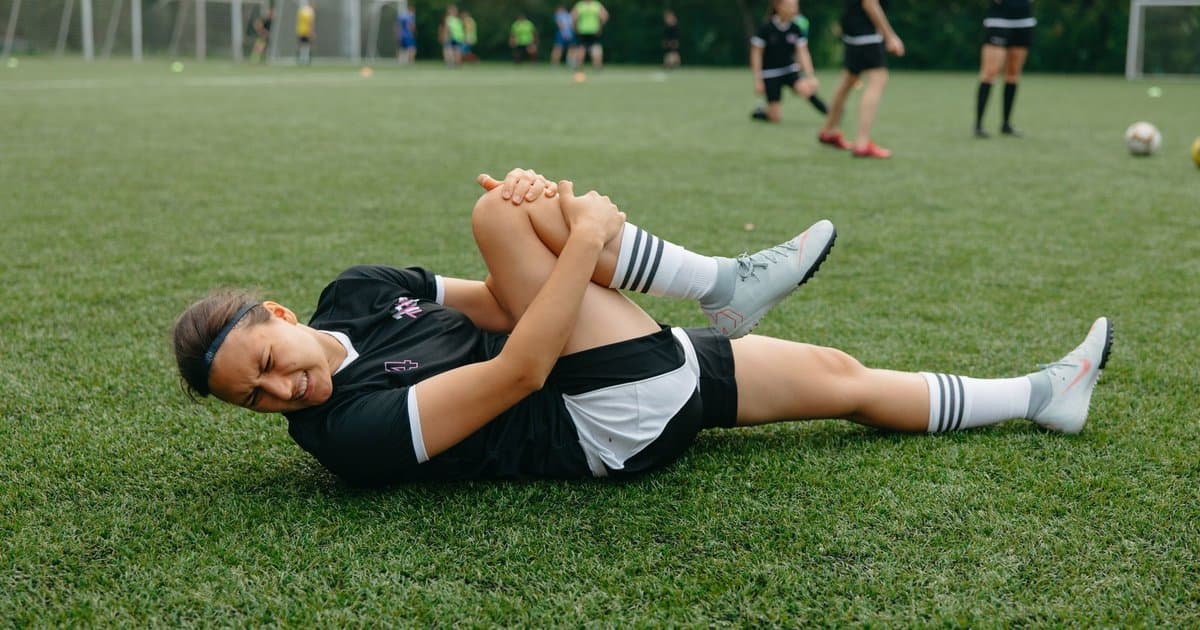
The first issue is the body, because young athletes are not small adults. A child who throws the same pitch or runs the same pattern thousands of times a year stresses the same joints, tendons, and growth plates without relief. Multisport kids rotate the load, using different muscles in different seasons, which gives healing tissue a chance to recover. Single sport kids do not get that break, and the result is a wave of overuse injuries that once belonged mostly to professionals. Some of these injuries follow a kid for life. Burning out a thirteen year old's elbow to chase a scholarship that most never get is a trade few parents would knowingly accept.
The second issue is skill, and this surprises people most. Athletes who play several sports build a wider base of movement, balance, and coordination than those who drill one motion endlessly. A basketball player gains footwork from soccer. A baseball player gains explosiveness from sprinting. These transfer in ways a single sport cannot teach, and they tend to make the eventual specialist more complete when they do focus. Many of the most accomplished athletes in their fields played multiple sports well into high school. They did not fall behind by diversifying. They built a foundation that the early specialists never had time to lay.
The third issue is the mind, and it decides who actually keeps playing. Doing one thing relentlessly from a young age is a fast route to boredom and resentment, especially when the fun gets replaced by pressure. Kids who specialize early quit at higher rates, often walking away from a sport they once loved because it stopped feeling like play. Variety keeps the joy alive, and joy is what carries an athlete through the years of grind that real improvement requires. A child who still wants to show up at sixteen beats a more polished child who is already done. Motivation is the resource that runs out first, and specialization spends it fastest.
None of this means a passionate kid should be stopped from loving one sport. Some children genuinely want to focus, and forcing variety on them misses the point as badly as forcing specialization. The case is for patience and for resisting the pressure to lock in too soon. Let young athletes sample widely, protect their bodies by rotating the demands, and keep the experience fun long enough for real commitment to grow on its own. The path that is marketed as the fastest route to the top is often the one that ends in an injury or a quiet exit. The longer game, the one that keeps a child playing and healthy, tends to produce the better athlete anyway.