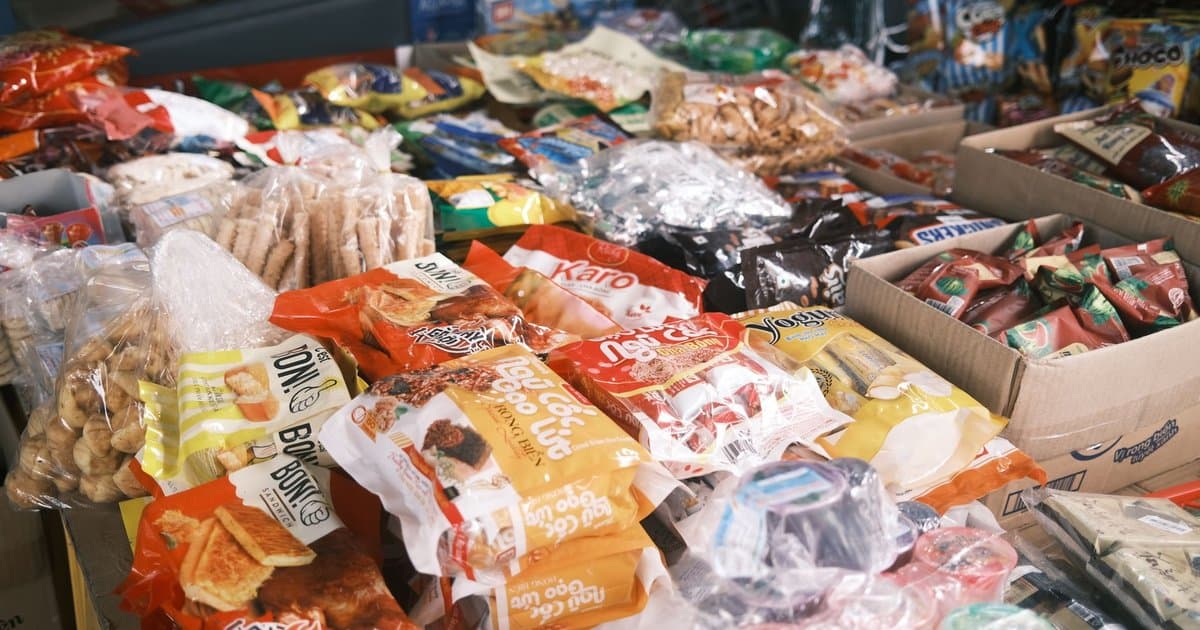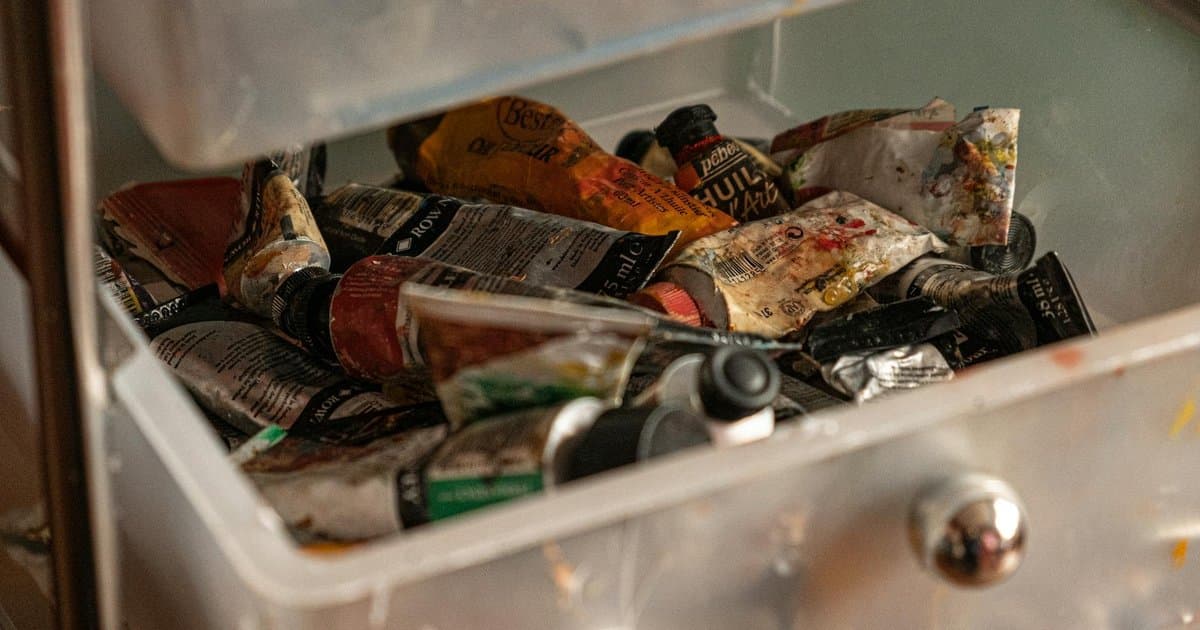
There is a familiar feeling that hits when you walk out of a store with a cart full of matching bins and clear drawer organizers. It feels like progress, like you have finally taken control of the mess. The bins go home, the clutter gets tucked inside them, and for a week or two the place looks calmer. Then it creeps back, and you find yourself buying more containers to hold the overflow. The hard truth is that storage products do not reduce clutter, they relocate it. You still own everything you owned before, you have just spent money to hide it in nicer boxes.
The reason this cycle repeats is that buying bins treats a volume problem like an arrangement problem. If you own more stuff than your space can comfortably hold, no organizing system will fix that for long. The container industry is built on this exact misunderstanding, selling the satisfying idea that the right product will solve the chaos. It rarely does, because the underlying issue was never where things lived, it was how much there was. A drawer that overflows with thirty kitchen gadgets does not need a divider, it needs to hold ten gadgets you actually use. Until the amount comes down, the mess just migrates from one organized container to the next.
The shift that actually works is editing before storing. That means going through a category, deciding what earns its place, and letting go of the rest before you ever think about containers. Most homes are carrying a surprising amount of stuff that no one uses, including duplicates, broken items waiting on a repair that will never happen, and things kept out of guilt rather than need. When you cut the volume down to what you genuinely use and value, organizing becomes almost effortless. You may find you do not need most of the bins you were about to buy. The space itself does the work once it is no longer overstuffed.
This is harder than shopping for storage because it asks something of you emotionally. Letting go of a gift you never liked, or admitting you will not finish the project a box of supplies was meant for, brings up real resistance. Buying a bin sidesteps all of that and lets you feel productive without making any hard decisions. That is precisely why it fails. The discomfort of deciding is the actual work of decluttering, and there is no container that can do it for you. The good news is that the decisions get easier with practice, and the relief on the other side is worth the moment of friction.
A few simple habits keep clutter from rebuilding after you have edited down. The first is a one in, one out rule, where bringing home something new means an older version of the same thing leaves. The second is a short pause before buying, since most clutter enters the house one easy purchase at a time. The third is a quick seasonal pass through the spots that collect chaos, like the junk drawer, the closet floor, and the kids' toy bins. None of this requires a special product or a weekend long overhaul. It just requires staying honest about what is coming in and what is no longer earning its keep.
This is not an argument against ever owning a container, since real storage has its place once the volume is right. A well chosen bin for seasonal items or a drawer organizer for a tidy set of tools makes sense. The point is the order of operations. Reduce first, then organize what remains, rather than buying storage as a substitute for deciding. A home full of neatly labeled bins that you have to keep adding to is not organized, it is just well dressed clutter. The calm you are actually after does not come from better boxes. It comes from owning less, and that is something no store can sell you.