There is a small warning printed on a lot of prescription bottles. Avoid grapefruit. Most people read it, shrug, and pour a glass anyway. That reaction makes sense, because we treat grapefruit like any other healthy fruit, and healthy food is supposed to help you. The problem is that this warning is not about nutrition at all. It is about chemistry, and for certain drugs the chemistry is serious enough to send someone to the hospital. Once you understand what grapefruit actually does inside your body, the sticker stops looking like a suggestion.
Your small intestine is lined with an enzyme called CYP3A4. Its job is to break down a large share of the medications you swallow before they ever reach your bloodstream. That breakdown is part of the plan, not an accident. When a drug company sets a dose, they assume this enzyme will destroy a predictable chunk of each pill on the way in. Grapefruit contains compounds called furanocoumarins that switch this enzyme off. With the enzyme disabled, far more of the drug survives the trip and floods into your blood, so the pill you took starts acting like a much bigger pill. Same pill, same number on the label, but a much stronger effect inside you.
This is not a minor food note that you can dodge with good timing. The effect is strong, and it lasts a long time. A single glass of grapefruit juice can be enough to matter. The enzyme does not bounce back in an hour, because your body has to build brand new enzyme from scratch, and that can take a day or longer. That means spacing your grapefruit and your pill several hours apart does almost nothing. The interaction is simply waiting for the drug whenever it happens to arrive.
The list of affected medications is long. Researchers have documented or predicted this interaction for more than 85 drugs. Some cholesterol statins are the best known, including simvastatin, lovastatin, and atorvastatin. Not every statin is affected, and drugs like rosuvastatin and fluvastatin travel a different pathway and stay safe. Beyond statins, the list reaches certain blood pressure medications, some anti-anxiety drugs, several heart rhythm drugs, and the medicines that keep transplant patients from rejecting an organ. The common thread is simple. If a drug depends on CYP3A4 to control its dose, grapefruit can break that control.
Here is the part that gets lost. The grapefruit itself is not poisoning you. Your own medicine is, because the effective dose climbed without anyone changing the prescription. With statins, too much drug in the blood raises the risk of severe muscle breakdown, a painful condition that can damage the kidneys. With some blood pressure drugs, the extra strength can drop your pressure too far and leave you dizzy or fainting. The danger scales with how much fruit you eat and which drug you take. For a few medications, even a modest amount is enough to cause real trouble.
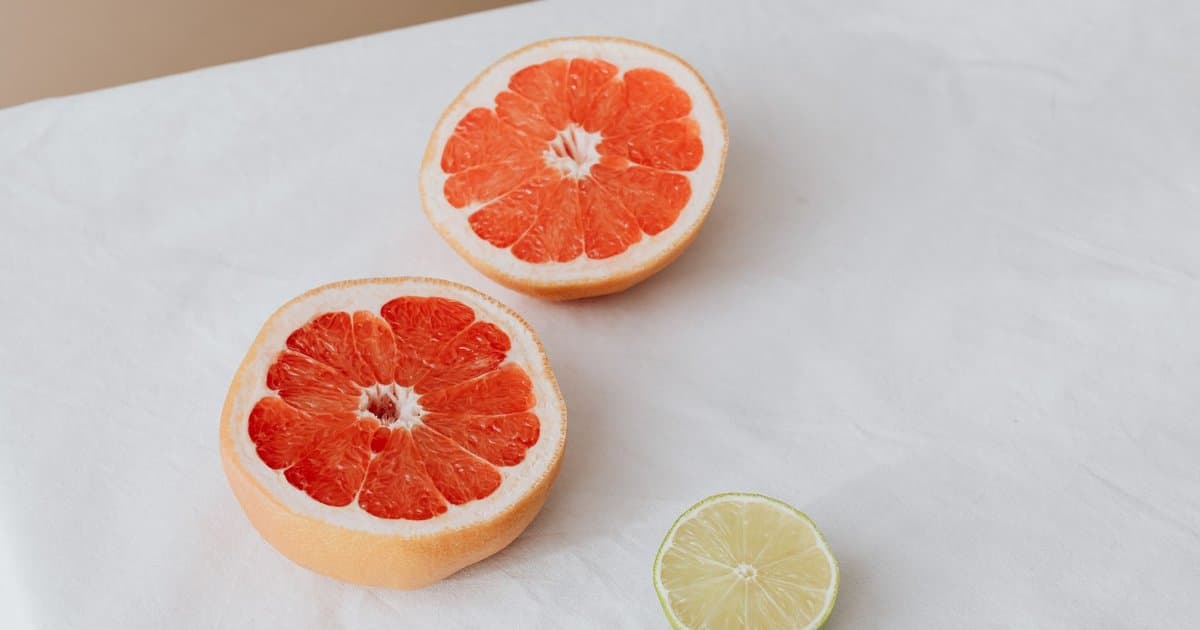
Grapefruit is the headline, but it has relatives that do the same thing. Seville oranges, the bitter kind used in most marmalade, carry the same compounds. So do pomelos and tangelos, which tend to show up more around the holidays. Ordinary sweet oranges do not cause this problem, so your regular breakfast juice is completely fine. Both the whole fruit and the juice count, and juice can hit harder because it is concentrated. If a cocktail or a recipe mixes these fruits in, the effect comes along for the ride whether you notice it or not.
The fix is not complicated, but it does take a minute of attention. Read the label on every new prescription, and look for the grapefruit warning specifically. Ask your pharmacist, because they can see your full list of drugs and tell you which ones actually carry the risk. Never stop a medication on your own just because you want the fruit, since going without the drug can be more dangerous than the interaction itself. Often the smarter move is to ask whether a similar drug without the interaction exists, and for statins one usually does. When the answer is that your drug is high risk, take the warning at full strength.
The larger lesson is that food and medicine interact far more than most of us assume. We think of pills as sealed off from dinner, when the truth is that your gut handles them in the same place, with the same machinery. Grapefruit is just the loudest example, because the effect is large, well studied, and easy to trace. That is exactly why it earned a warning that quieter interactions never get. None of this means you should fear your fruit bowl. It means that the next time you see that little sticker, you should read it, ask one question, and then decide with real information instead of a guess.