There is a quiet shift happening in how people practice their faith, and almost no one is naming it honestly. More and more believers have replaced the local church with a phone full of sermon clips, podcast preachers, and worship playlists. They tell themselves they are still being fed, still growing, still close to God. In some ways they are right, because good teaching is good teaching no matter where it comes from. But there is a gap between consuming preaching and belonging to a church, and that gap is wider than most people want to look at. The convenience of streaming hides a cost that only shows up over years, not weeks.
A sermon on a screen gives you information, and sometimes it gives you conviction. You can hear a gifted teacher break down a passage with more skill than the pastor down the street. You can pause, rewind, and listen again on your commute. None of that is wrong, and it can genuinely strengthen what you already have. The problem is that a screen only flows in one direction. It can speak to you, but it cannot know you, correct you, sit with you, or call you by name when you go missing. The most polished teaching in the world still leaves you anonymous, and anonymous faith is fragile faith.
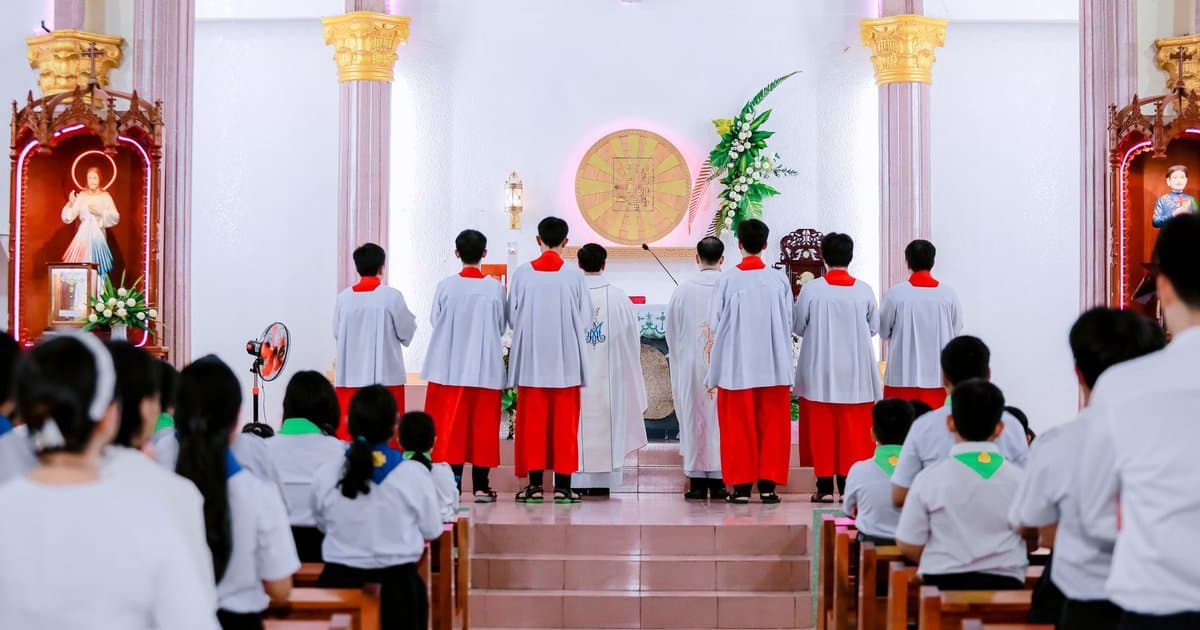
What the local church offers is the part that does not stream well, which is exactly why it gets skipped. Church is where someone notices you were not there last Sunday and actually asks why. It is where you take communion next to people whose names you know and whose burdens you carry. It is where an older believer pulls you aside and tells you something hard that an algorithm would never serve you. It is where you are forced to love people you did not choose, which is the entire point of being shaped by faith. Service, accountability, confession, and presence cannot be downloaded, and these are the practices that actually change a person. Strip them away and you are left with a faith that feels active but never gets tested.
Here is the part nobody says out loud. When your entire spiritual life runs through a feed you control, you become the editor of your own discipleship. You skip the teachers who make you uncomfortable and binge the ones who confirm what you already believe. You build a private religion that asks nothing of you and never disagrees with you. That feels like freedom, but it is closer to isolation with a soundtrack. Real growth almost always comes through people who can see your blind spots, and you cannot see a blind spot by definition. A church full of imperfect people is the friction that keeps faith honest.
None of this means you should throw away good teaching or feel guilty for listening on a hard week. Use the sermons, save the clips, and let solid preaching pour into you when you cannot be in a room. Just stop pretending that the stream is the destination. Find a local body, show up when it is inconvenient, and let yourself be known by people who will still be there in five years. Serve in something small, give your name to a group, and let someone hold you accountable to more than your own preferences. The screen will always be there, but the thing your faith actually needs is the room you keep avoiding.