There is a stubborn belief that lifting heavy weights is for one type of person, the gym bro chasing bigger arms, and that everyone else should stick to cardio and light dumbbells. That belief is wrong, and it keeps a lot of people away from the single most useful thing they could do for their bodies, especially after forty. Strength training is not a vanity project. It is the closest thing we have to a defense against the slow physical decline that most people accept as a normal part of getting older. The person who needs it most is often the one most convinced it is not for them.
Start with what happens to a body that does not train. Beginning in your thirties, you lose muscle mass every year, and the rate speeds up as you age. That loss is not just about looking softer. Muscle is what lets you carry groceries, climb stairs, catch yourself when you trip, and get up off the floor without a struggle. When it fades, those everyday tasks get harder, and the world quietly shrinks. The medical term for serious age related muscle loss is sarcopenia, and it is strongly linked to falls, fractures, and losing independence later in life. Cardio does many good things, but it does not build or hold the muscle that protects you from this.
Lifting heavy, meaning weights that genuinely challenge you for a low number of reps, is what tells the body to keep that muscle and even build more. It also does something cardio cannot match for your skeleton. Loading your bones through resistance training signals them to stay dense, which is a direct counter to osteoporosis, the bone thinning that turns a minor fall into a broken hip. For women in particular, who lose bone density faster after menopause, this protection is not a nice extra. It is one of the few things proven to push back against a real and common threat. The barbell is doing work here that no amount of walking can replicate.
The fear that heavy lifting will make you bulky misunderstands how the body works. Building large, visible muscle takes years of deliberate eating, training, and in most cases a level of dedication that does not happen by accident. The average person who starts strength training does not wake up looking like a bodybuilder. They get stronger, they move better, they hold their posture, and they often look leaner, because muscle is denser than fat and changes the shape of a body without adding bulk. The heavy in heavy lifting is relative to you. For one person it is a loaded barbell, for another it is a challenging set with dumbbells. What matters is that the weight is hard enough to make the last few reps a real effort.
You also do not need to live in the gym to get the benefit. Two or three focused sessions a week, built around a handful of basic movements that work the whole body, is enough to change the trajectory of how you age. Squatting, hinging at the hips, pushing, pulling, and carrying cover most of what a body needs to stay capable. Progress comes from slowly adding weight or reps over time, which is the same principle whether you are nineteen or sixty nine. The older lifter simply has more to gain, because they are fighting a decline the younger one has not started to feel yet.
The benefits reach well beyond muscle and bone, which is part of why this matters so much. Strength training improves how your body handles blood sugar, which lowers the risk of type two diabetes and helps manage it in people who already have it. It supports balance and coordination, the quiet skills that keep an older person on their feet instead of on the floor. It tends to lift mood and sleep quality, and the simple act of getting measurably stronger over weeks builds a confidence that carries into the rest of life. People who train often report that everyday tasks stop feeling like a strain, that carrying a child or a heavy bag stops being an event. That is not vanity. That is a body that works, and it is available to almost anyone willing to start.
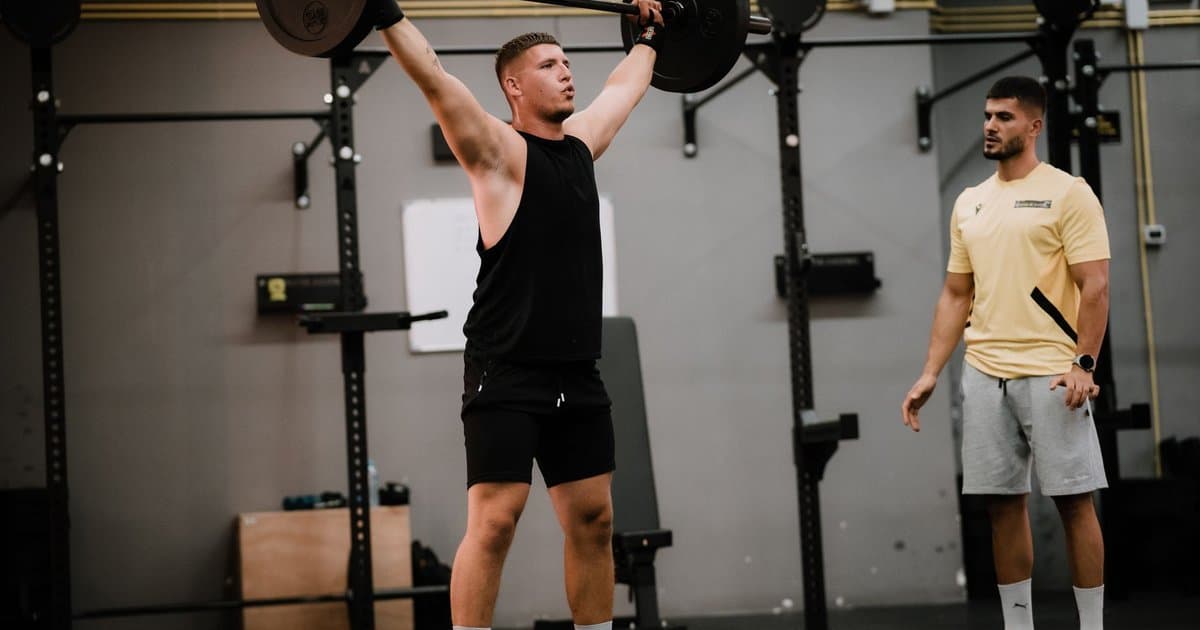
If you have joint issues, a health condition, or you are brand new to this, it is worth starting with a coach or a physical therapist who can teach the movements and scale them to your body. That is not a reason to avoid lifting. It is the smart way to begin it. The real risk is not that strength training will make you too big. The risk is reaching the years when your body starts to give out and realizing you spent decades avoiding the one practice that could have kept you strong.