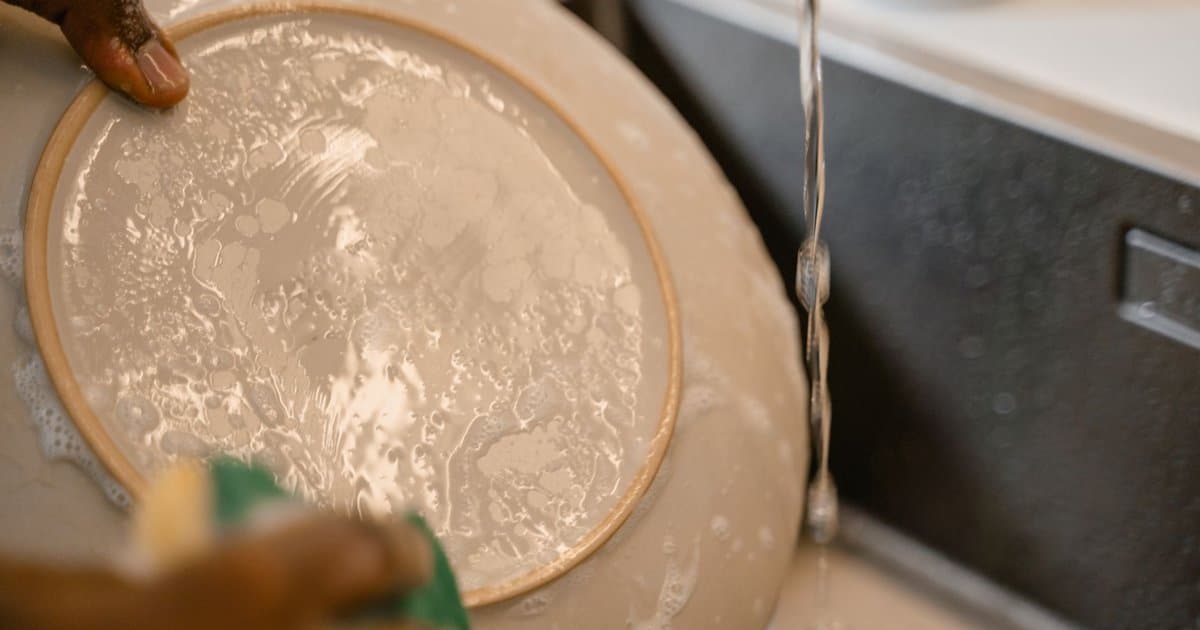
Nobody plans to let their life fill up with tiny undone tasks. It happens one small postponement at a time. You leave the dish in the sink, you do not reply to the text, you let the mail sit, you tell yourself you will book the appointment tomorrow. Each one of these is genuinely minor, the kind of thing that takes two minutes and almost no thought. But they do not stay separate. They gather into a pile, and the pile becomes a low hum of pressure that follows you around all day, even when you are doing something else entirely.
The cost of that pile is not really the time it would take to clear it. If you added up the actual minutes, most people could handle a week of postponed small tasks in a single afternoon. The real cost is mental. Every undone thing takes up a small amount of attention, a background process running in your head reminding you that it is still there. Psychologists have a name for the way unfinished tasks nag at us more than finished ones, and you feel it whether you know the term or not. Ten small open loops do not feel like ten small things. They feel like one large, vague weight that you cannot quite put down.
What makes this worse is how the pile distorts your sense of your own life. When you are carrying a dozen undone errands, you start to feel behind in general, even in areas that are going fine. The feeling of being behind leaks into your mood, your sleep, and your patience with the people around you. You snap at someone over something small because you were already carrying a load they could not see. The tasks themselves were never the threat. The accumulated sense of falling behind is what actually starts steering your days, and it steers them toward stress and avoidance.
There is also a sneaky way that small tasks grow when you ignore them. The unreplied message becomes an awkward apology you now have to write. The unbooked appointment becomes a longer wait because the calendar filled up. The ignored bill becomes a late fee, and the sink full of dishes becomes a kitchen you do not want to cook in, which becomes takeout you did not budget for. A two minute task left alone rarely stays a two minute task. It quietly recruits other problems, and by the time you deal with it, it has brought friends. Delay does not freeze a task in place. It lets it compound.
The fix is almost embarrassingly simple, which is part of why people resist it. If something will take two minutes or less, do it the moment it appears instead of adding it to the pile. Reply to the text now, rinse the dish now, hang up the coat now, book the appointment while you are already thinking about it. This one rule keeps the pile from forming in the first place, because the small things never get a chance to gather. It feels almost too small to matter, and that feeling is exactly why most people never try it long enough to see the effect.
For the tasks that take longer than two minutes, the move is to capture them in one trusted place instead of letting them float around in your head. A single list, on paper or on your phone, gives all those open loops somewhere to live that is not your attention. The point is not to do everything at once. The point is to stop your brain from having to remember everything at once, which is the part that actually drains you. Once a task is written down somewhere you trust, your mind can let go of guarding it, and the background hum gets noticeably quieter. The list does the remembering so you can do the living. The trust part matters more than the format, because a list you never look at becomes just another thing you are ignoring. Pick one place, check it at a set time each day, and let everything funnel into it rather than scattering across notes, texts, and your memory. A messy single list beats five tidy ones, because your brain only has to learn one habit. The goal is one inbox for your obligations, not a filing system you have to maintain.
None of this requires a new app, a productivity system, or a weekend of organizing. It requires noticing the small thing in the moment and deciding whether to handle it now or to consciously park it on a list. What you are really protecting is not your schedule. It is your attention and your sense of being on top of your own life. Let the small tasks pile up and they slowly take that over, one postponement at a time, until you feel run by a hundred things you never chose to carry. Handle them as they come, and the same hundred things stay what they always were, small.