Most people own far more clothing than they actually wear, and the closet keeps filling because the cycle never stops. A trend appears, the stores flood with it, social feeds make it feel urgent, and a few months later the same piece looks dated and gets pushed to the back. The money is gone, the closet is crowded, and the feeling of having nothing to wear somehow gets worse the more you buy. The way out is not another shopping trip. It is building a small core of pieces that do not care what season it is, and learning to trust them. Four staples do most of that work, and they pay for themselves many times over.
The first is a well fitting pair of dark, simple denim. Not the wash that screams a particular year, not the cut that will look strange in eighteen months, but a clean, dark, straight or slightly tapered jeans that sit right on your body. Dark denim reads as more polished than faded or heavily distressed styles, which means it stretches across more occasions, from a casual day to a relaxed dinner. The fit matters more than the brand, and a tailor can fix a hem or a waist for far less than the price of a replacement pair. Buy a quality pair, take care of it, and it will outlast a dozen trend driven purchases. This is the piece you will reach for without thinking, which is exactly the point.
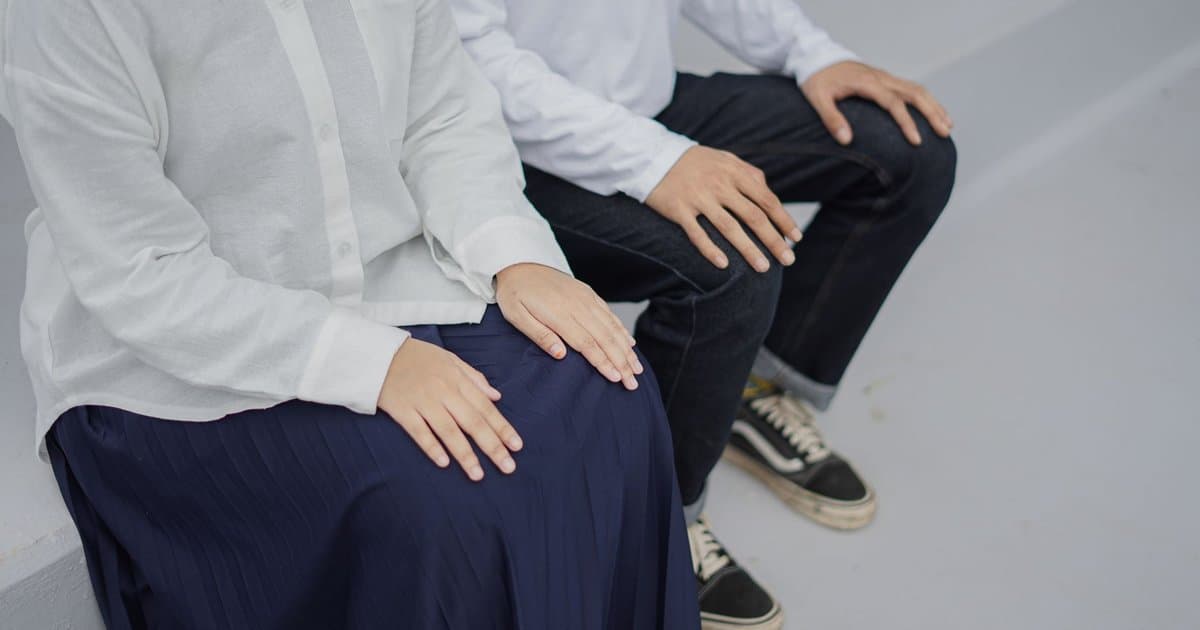
The second is a crisp white button down shirt. It works under a sweater, over a tee, tucked into trousers, or left loose with the sleeves rolled. White goes with everything in your closet, which is why it survives every shift in what is fashionable. A good one in a sturdy cotton holds its shape, takes a press well, and looks intentional even when the rest of your outfit is simple. People notice when a shirt fits cleanly through the shoulders and chest, and they notice when it does not, so this is another place where fit beats logo. One excellent white shirt will do more for your wardrobe than five novelty tops you bought on impulse.
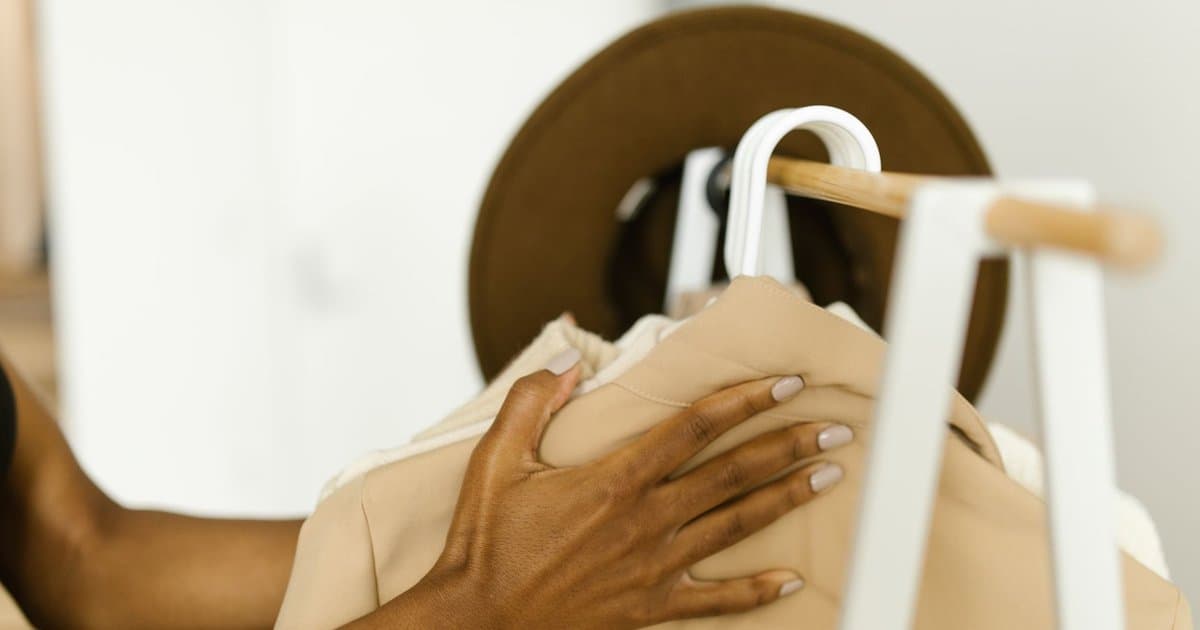
The third is a structured neutral jacket or blazer. This is the piece that pulls a look together and signals that you put thought into how you show up. A blazer in black, navy, camel, or gray sits on top of almost anything and instantly raises the whole outfit. It covers you in a professional setting, dresses up jeans for the evening, and gives you a layer that looks deliberate rather than thrown on. Structure is what separates a staple from a throwaway, so look for clean lines and a fabric with some weight to it. A jacket like this can stay in rotation for a decade if you choose a classic cut and resist the urge to chase a trendy silhouette.
The fourth is a pair of clean, simple shoes in a versatile color. Footwear is where a lot of people overspend on trends and underspend on the everyday pair they actually need. A clean white sneaker, a simple leather loafer, or a plain low boot in a neutral tone will carry you through most of your week without clashing with anything. The trick is keeping them clean, because scuffed and worn shoes undercut even a sharp outfit. Good shoes also tend to be the detail people register first, so a tidy, well chosen pair quietly signals that you have your act together. This is worth the investment because you wear shoes every single day.
There is also a quiet math behind all of this that the industry would rather you ignore. A trend piece you wear five times before it feels dated costs you far more per wear than a staple you reach for hundreds of times over several years. When you start thinking in cost per wear instead of sticker price, the cheap impulse buy often turns out to be the expensive one. The staple that seemed pricey at checkout becomes the bargain, because it keeps earning its place in your rotation. That single shift in how you measure value changes the way you shop more than any rule about colors or cuts ever could.
What ties these four together is a principle that runs against how the industry wants you to shop. The fashion business makes money when you treat clothing as disposable and chase whatever is new, so it works hard to make last season feel embarrassing. You do not have to play that game. A core of versatile, well made pieces gives you more outfits with less stuff, and it frees you from the constant low grade pressure to keep up. Trends can still be fun, and there is nothing wrong with adding a piece you love now and then. The difference is that you are building on a foundation that lasts instead of starting over every few months. Spend on the staples, treat them well, and let your closet finally start working for you.