The story sounds reasonable when a parent tells it. Pick one sport early, train it hard all year, get ahead of the kids who are splitting their time, and the path to a scholarship or a roster spot opens up. Travel teams, private coaching, and off-season camps all push in the same direction, and the fear of being left behind does the rest. The trouble is that the people who study youth sports injuries keep finding the same pattern, and it does not match the story. Young athletes who specialize in one sport too early get hurt more often, not less, and the injuries that sideline them are frequently the kind that take a whole season to heal.
The reason has to do with how growing bodies handle repetition. When a child plays one sport year-round, the same muscles, joints, and growth plates absorb the same stresses over and over with no break. A pitcher throws the same motion thousands of times. A young soccer player cuts and pivots on the same knee through every practice and game. Sports medicine groups have linked this kind of repetitive, single-pattern load to overuse injuries that are far less common in kids who play several sports. Stress fractures, tendon problems, and damage to growth plates show up when there is no variety and no recovery, because the body never gets the chance to load different tissues and let the strained ones rest.
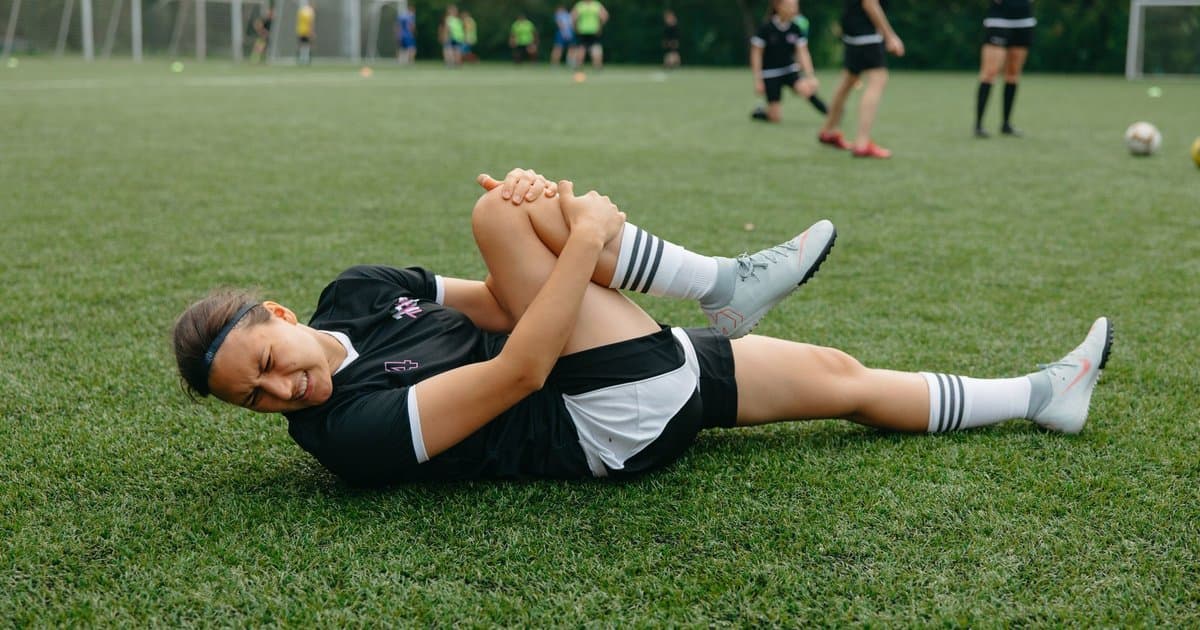
The knee injury parents fear most is a clear example. Tears of the anterior cruciate ligament, the ACL, have become more common in young athletes, and early single-sport specialization is one of the factors researchers point to. A child who only plays one cutting and jumping sport, with little cross-training, builds strength in a narrow pattern and leaves other supporting muscles underdeveloped. That imbalance raises the risk during the exact movements the sport demands constantly. An ACL tear is not a sit-out-a-week injury. It often means surgery, months of rehabilitation, and an entire season gone, sometimes more than one. The fast track to the top can turn into a long detour through a physical therapy clinic.
There is also a quieter cost that never shows up on an X-ray, which is burnout. Children who do nothing but one sport, with adult-level schedules and pressure, lose the play that made them fall in love with it. The grind of year-round training at a young age wears down motivation, and a meaningful number of kids quit the sport entirely before they ever reach the level their parents were aiming for. The thing meant to guarantee a future ends up ending the activity early. A child who is tired of a sport at fourteen rarely becomes a committed athlete at eighteen, no matter how much early training they banked.
What the evidence actually supports is the opposite of intense early specialization. Playing multiple sports through childhood spreads the physical load across different movement patterns, which lets strained tissues recover and builds more complete, balanced athleticism. The multi-sport athlete develops coordination, body awareness, and resilience that transfer between activities. Many athletes who reach the highest levels played several sports growing up and did not lock into one until their mid-teens. Variety is not a distraction from developing a serious athlete. For most kids, it is how a serious athlete gets built without breaking along the way.
This does not mean a child cannot have a favorite sport or train it seriously. It means the year-round, single-pattern, no-rest approach carries real risk that the highlight reels never show. Sensible guidelines from sports medicine include limiting hours of organized training, taking real time off from a given sport during the year, and avoiding the trap of having a young athlete play the same sport across overlapping teams in the same season. Rest is not laziness. For a growing body, rest is part of the training, and skipping it is how the season-ending injuries find their opening.
So before committing a young athlete to one sport every month of the year, it is worth weighing the bet honestly. The promised reward is an edge that may or may not arrive. The risk is an overuse injury, a torn ligament, or a burned-out kid who walks away. Letting a child play more than one sport, build in genuine recovery, and keep the game fun is not falling behind. It is the approach most likely to keep them healthy enough to still be playing when it counts. A short break now is far cheaper than a torn ligament and a lost season later. The goal is not to slow a child down but to keep them in the game long enough to find out how good they can really become. The longest athletic careers usually belong to the kids who were allowed to be kids first.