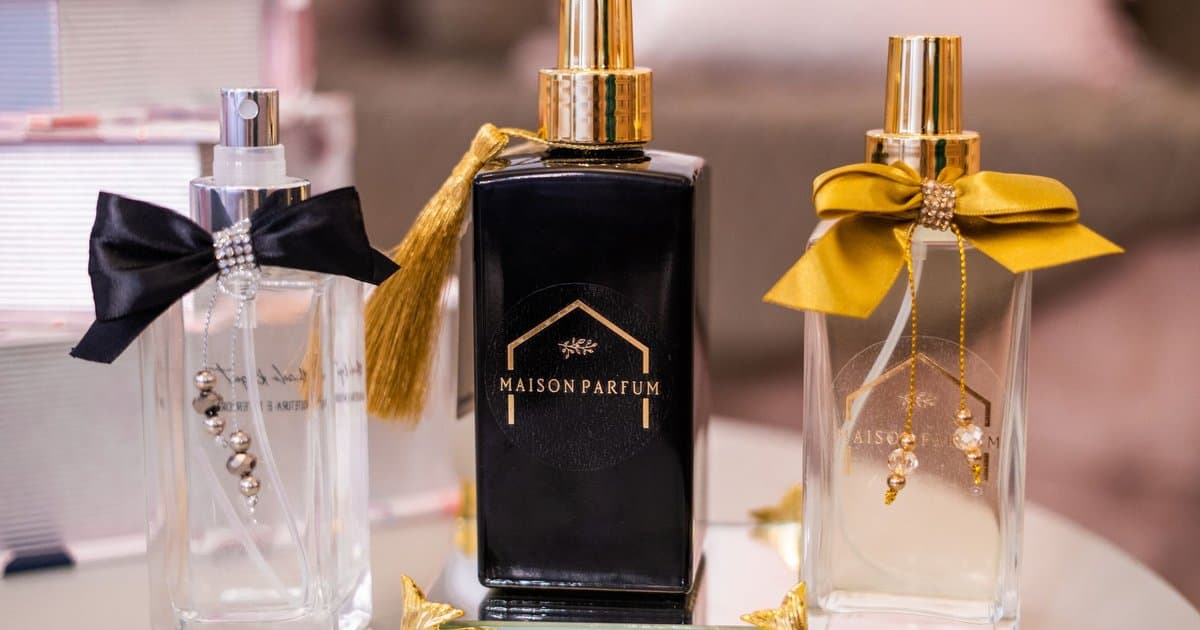
Walk up to a luxury perfume counter and the price tag hints that something rare is inside the bottle. A designer name, a heavy glass flask, and a number that can top 200 dollars. Now walk into a drugstore and grab a body spray for a few dollars. It feels like a whole different world. Here is the part the marketing does not print on the box. Both scents may have been created inside the same small group of labs.
Most people never hear the names that actually make perfume. A handful of large fragrance companies design and produce the scents behind a huge share of what sells. These houses work quietly behind the scenes for many brands at once. A famous fashion label rarely mixes its own perfume in-house. It hires one of these fragrance houses to build the scent, then puts its own name and story on the finished bottle. The same building that made a luxury launch may have made a cheap spray down the hall.
So where does that high price actually go? A large share of it never touches the liquid at all. You are paying for the brand name and the image it sells you. You are paying for the heavy bottle, the printed box, and the ads with famous faces. You are paying for the counter space and the staff inside the department store. The scent itself is often a smaller slice of the total cost than buyers ever expect.
This does not mean every perfume is secretly equal. There are real differences in what goes into the bottle. Pricier scents often use a higher share of fragrance oil, so they last longer on skin and project further. They may use costlier raw materials, like certain natural extracts instead of cheaper stand-ins. Cheap sprays often lean on lighter, thinner mixes that fade within an hour or two. The gap is real, but it is a gap of strength and materials, not some secret only the rich can buy.
This is a big reason the world of scent copies has grown so fast. Some companies now build their whole business on matching popular designer scents at a fraction of the price. Because the formula of a fragrance is not protected the way a logo is, a skilled maker can study a famous scent and build a close match. The result smells a lot like the expensive version for a small share of the cost. Buyers have caught on and turned these copies into a booming corner of the market. The secret is simply that scent recipes are far easier to copy than a brand name.
Here is a fact that undercuts the whole price game. The same perfume smells different on different people. Your skin has its own oil, its own pH, and its own warmth, and all of that shifts how a scent unfolds. A fragrance that sings on a friend can fall completely flat on you, no matter what it cost. That is why testing on your own skin beats trusting a review or a price tag. The most expensive bottle in the store is worthless if it turns sour on you.
Knowing all of this can change how you shop. Test a scent on your own wrist and wait a few hours before you judge it. Look at the concentration on the label, since a higher share of oil means the scent lasts longer. Do not assume a low price means low quality, and do not assume a high price means the reverse. If a designer scent is out of reach, a well-made copy may get you most of the way there. Buy the smell you truly love, not the name you think you are supposed to own.
There is one more thing the price tag tends to hide about how scent works. A perfume is not a single smell but a set of layers that unfold over hours. The first burst you catch in the store, called the top notes, fades within minutes. Under it sit the heart and base notes that decide how the scent really wears on you. This is a big reason a quick sniff at the counter tells you so little. A cheap spray and a costly bottle can smell close at first and then part ways as they settle. Give any scent real time on your skin before you judge whether it is worth the money.
The counter wants you to believe the price and the scent rise together in a straight line. The truth is messier, and honestly more useful. A few labs quietly supply much of the market, and the rest of the cost is story, glass, and marketing. Real differences exist, but they live in strength and materials, not in status. Once you know that, you can shop by your own nose instead of by the tag. The best perfume for you is the one that smells right and fits your budget.