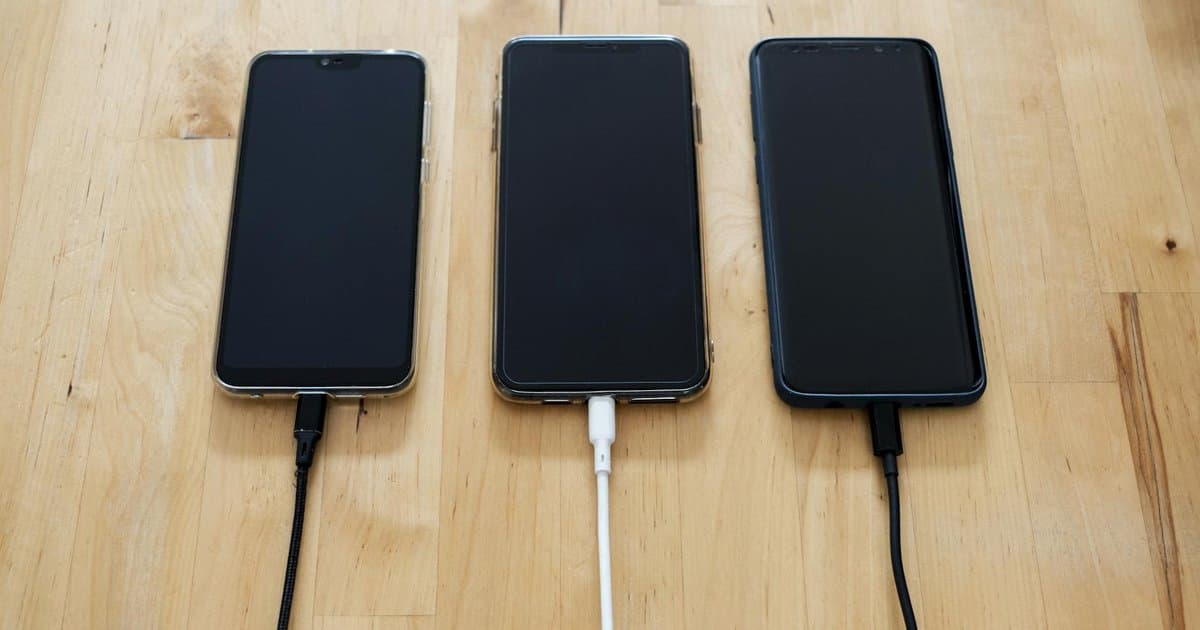
Most people charge their phone the way they were taught a decade ago. Plug it in at night, let it hit one hundred percent, and run it down close to zero before charging again. That habit made sense for older battery types, but it is the wrong move for the phone in your pocket today. Modern phones use lithium ion batteries, and those batteries do not want to live at the extremes. Keeping one full and plugged in for hours is one of the surest ways to wear it out faster. The advice everyone repeats is quietly shortening the life of the device.
To understand why, it helps to know what wears a battery down. A lithium ion battery ages through charge cycles, and it ages faster under stress. Two things stress it most, and they often happen together overnight. The first is sitting at a very high state of charge, near one hundred percent, for a long stretch. The second is heat, which builds up while charging and gets trapped under a pillow or a thick case. A battery held full and warm for eight hours is being aged on purpose, night after night. The slow loss adds up over the months you own the phone.
The better target is the middle of the range, not the top of it. Battery health tends to hold up best when the charge stays roughly between twenty and eighty percent. That band keeps the voltage in a gentler zone and avoids the stress at both ends. You do not need to obsess over the exact numbers to benefit from the idea. Simply avoiding long stretches at a full charge does most of the work. Topping up to eighty and unplugging is kinder to the battery than pushing to one hundred and letting it sit.
This is where the phone makers have already met you halfway. Newer phones include features built around this exact problem. Optimized charging learns your routine and holds the charge lower until just before you wake, then finishes the last stretch. Some phones now let you cap the charge at eighty percent on purpose. Turning these settings on is the single easiest win available, and most people have never opened the menu. The phone is ready to protect its own battery. It just needs your permission to do it.
A few old beliefs are worth clearing up while we are here. There is no need to drain the battery to zero to keep it healthy. That advice came from an older battery chemistry and does not apply anymore. In fact, deep drains to empty are another form of stress you want to avoid. Partial top ups throughout the day are perfectly fine and do not harm anything. You will not confuse the battery or shorten its life by plugging in at sixty percent. The fear of charging a little at a time is a leftover from a different era.
Heat deserves its own warning, because it does more damage than most people realize. Charging while gaming, streaming, or sitting in a hot car pushes the temperature up fast. Thick cases trap that heat against the battery and make it worse. If your phone feels hot while charging, take the case off or move it somewhere cooler. Fast chargers are convenient, but the heat they create is part of the tradeoff. Slower charging overnight, paired with optimized charging, tends to be gentler than a hot rapid charge in a warm room.
It is worth checking how your battery is doing right now, because the phone will tell you if you ask. Most phones have a battery health screen tucked inside the settings menu. It shows the maximum capacity left compared to when the phone was new. A healthy battery holds most of its original capacity for the first couple of years. Once that number drops well below eighty percent, the phone starts dying faster through the day. If you have been charging to full and leaving it plugged in all night, you may see that decline arrive early. Checking the number takes a minute and tells you whether your habits have been helping or hurting.
None of this means you have to babysit your phone or change your whole routine. The point is that the old rules are simply wrong for current hardware. You do not earn anything by charging to a full one hundred and draining to empty. You lose battery life by doing it. A battery that holds up a year longer is real money kept in your pocket, and it spares you an early upgrade you never planned to make. Turn on optimized charging, keep the phone out of the heat, and stop worrying about topping up a little at a time. Do that, and the battery will hold a real charge well past the point where most people give up and replace the phone early.