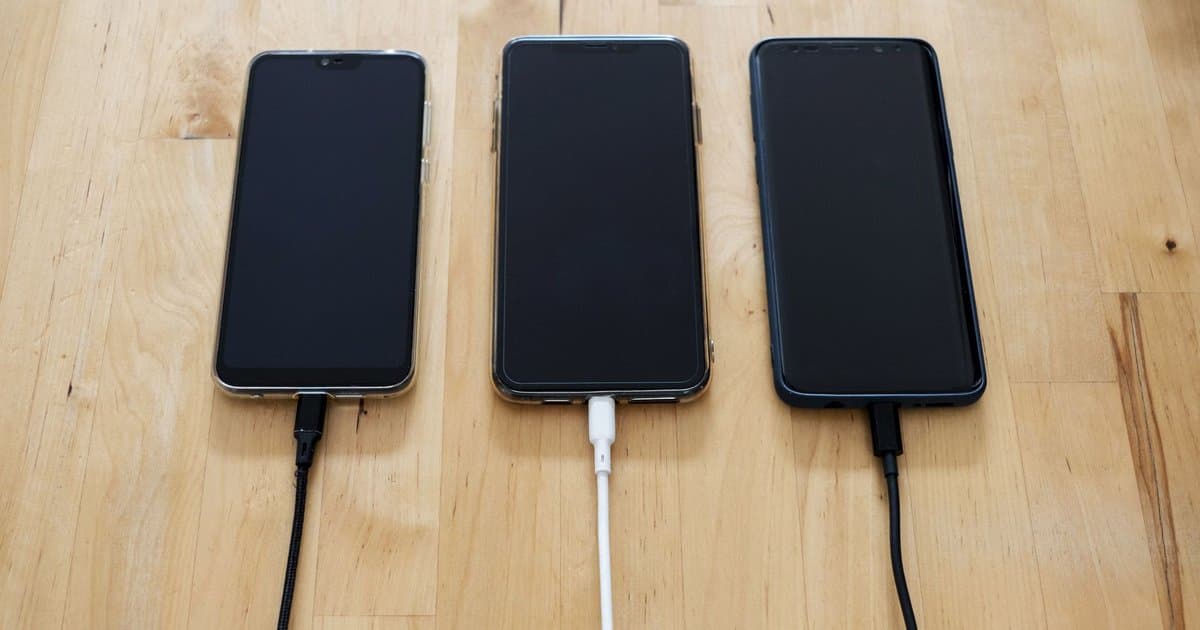
Almost everyone has heard the warning. Do not leave your phone plugged in overnight, because charging it to a hundred percent and leaving it there will ruin the battery. It is one of those pieces of advice that gets repeated so often it feels like settled fact. The reality is more interesting and a good deal more forgiving. Charging overnight is not the villain it has been made out to be, and understanding why reveals what actually wears a battery down. Once you know that, you can stop worrying about the wrong thing and start protecting the part that really matters.
Begin with what is inside your phone. Nearly every modern phone runs on a lithium-ion battery, and that battery is managed by a small chip whose entire job is to protect it. When the battery reaches a hundred percent, that chip stops the flow of power. The phone is not sitting there overnight pumping in more and more electricity until it bursts. It hits full, it shuts the tap off, and then it sips a tiny bit now and then to stay topped up as the charge naturally drifts down. The old fear of overcharging comes from a much older generation of batteries. The one in your pocket was built specifically so that cannot happen.
If overcharging is not the issue, then what does wear a battery out. The honest answer is two things, and neither is the wall charger doing its job. The first is heat. Lithium-ion batteries hate being hot, and high temperatures degrade them faster than almost anything else you can do. A phone charging under a pillow, trapped in a hot case, or sitting in direct sun is aging its battery quickly, whether it is noon or midnight. The second is the total number of charge cycles it goes through over its life. Every full drain and refill counts as one cycle, and a battery has a limited supply of them before it starts holding noticeably less.
There is a subtler factor too, and this is the one the overnight worry gets partly right. Batteries prefer to spend their time in the middle of their range rather than pinned at the very top or the very bottom. Sitting at a full hundred percent for hours puts a small amount of extra strain on the chemistry inside, and doing that every single night, year after year, does add up over time. So the overnight habit is not harmless, but the harm is slow and modest, and it comes from where the charge sits, not from the charger overfilling anything. That is a very different problem than the one people usually picture.
This is exactly why newer phones added a feature you may have seen and ignored. It is usually called something like optimized or adaptive charging, and it is quietly clever. The phone learns your routine, charges to around eighty percent, and then holds there for most of the night. Right before your normal wake-up time, it finishes the last stretch to a hundred so you unplug at full. That way the battery spends the long overnight hours in the healthier middle zone instead of sitting maxed out for eight hours straight. If your phone offers it, turning it on is one of the easiest things you can do for the battery, and it runs without you thinking about it.
You can help the battery even more with a few small habits that cost you nothing. Try to keep the charge roughly between twenty and eighty percent during normal use, since that middle band is where the battery is happiest. Take the phone out of a thick case if it gets hot while charging, and never charge it buried under blankets or on a warm surface. Fast charging is fine now and then, but it generates more heat, so it is not the best choice for every single top-up. And there is no need to drain the phone all the way to zero before plugging in, because that deep discharge is a stress the battery would rather avoid. Topping up in short bursts through the day is gentler on it than running the battery flat and then refilling it from empty.
The bigger point is that a phone battery is a consumable part, not a permanent one. It is designed to slowly fade over a few years no matter how carefully you treat it, the same way tires wear down as you drive. Good habits will not make it last forever, but they can add meaningful life and keep it strong deeper into the phone's years with you. So plug in overnight without guilt if that fits your routine, turn on the optimized charging setting, and give heat the respect it deserves. The thing that quietly kills batteries was never the charger. It was the heat and the years, and now you know where to aim.