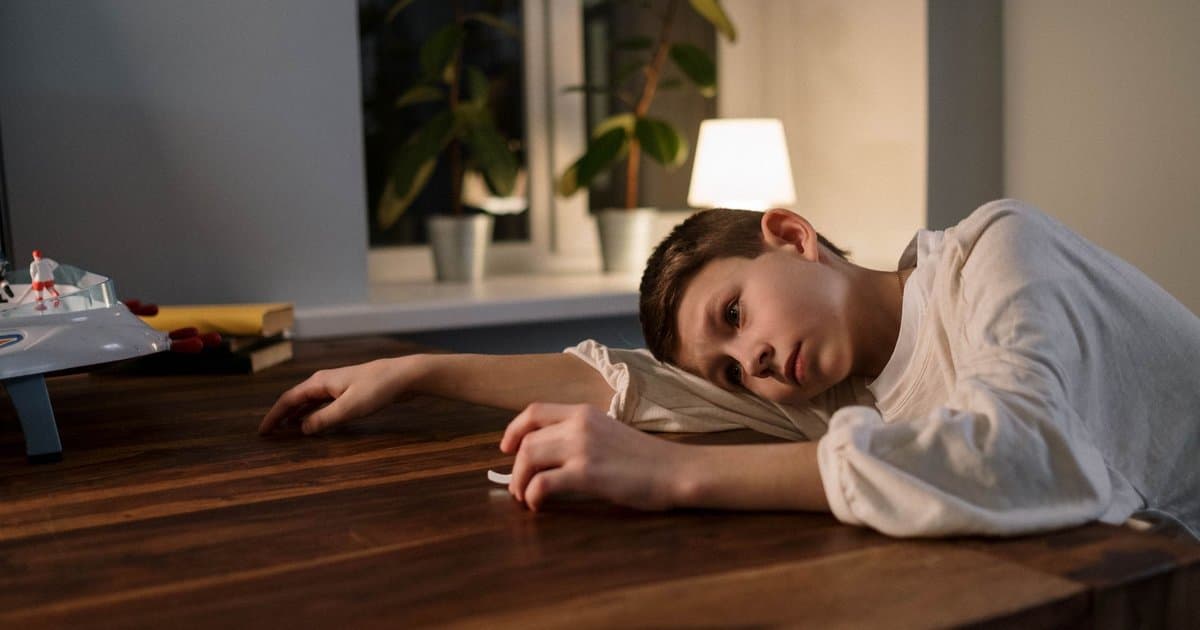
When a child says the words I am bored, most parents jump into action. We suggest an activity, hand over a tablet, or feel a small pang of guilt that we have not planned enough. Boredom has quietly become something we treat as a problem to fix, almost a sign that we are failing at the job. But here is a take that runs against the grain. Boredom is not the enemy of a good childhood. It might be one of the best things you can give your kids, and the discomfort you are trying to erase is doing quiet work. We have come to see an idle child as a small crisis. It is closer to an opportunity.
Think about how little empty space a modern childhood actually contains. Between school, sports, lessons, clubs, and homework, a lot of kids have almost every hour spoken for. And the moment a gap does appear, a screen is usually there to fill it in seconds. There is no waiting anymore, no staring out a car window with nothing to do. The unstructured afternoon, once a normal part of growing up, has nearly vanished. We have built a world where children are entertained or instructed almost every waking minute. That constant fill feels like good parenting, but it quietly crowds out something important.
To see why that matters, look at what boredom really is. Boredom is the uncomfortable gap between having nothing to do and deciding what to do about it. It feels restless and a little unpleasant, and that feeling is the whole point. That discomfort is what pushes the brain to reach inward and generate its own idea. A child with nothing in front of them eventually starts to invent, to build a game, a story, a fort, a plan. Creativity does not usually arrive when we are entertained. The itch of having nothing to do is the beginning of having something to make. Some of the best play a child ever invents comes right after the worst of the boredom. The trick is that they have to pass through the empty part to get there.
Now think about what happens every time we rush to rescue a bored child. We step in with a suggestion or a device, and the restless feeling goes away. But so does the chance for the child to solve it themselves. Over time, the lesson sinks in that boredom is an emergency and that relief always comes from the outside. The kid learns to wait for a parent or a screen to supply the next thing rather than reaching for their own imagination. We think we are being helpful. The rescue feels loving in the moment and costly over the years.
The skills that grow in boredom are exactly the ones we say we want for our children. Left with empty time, kids build imagination and learn to entertain themselves without help. They practice solving problems, because deciding what to do is itself a problem to work through. They get comfortable sitting with a little discomfort instead of numbing it instantly, which is a form of patience that pays off for life. They also start to discover what they genuinely enjoy, not what an app or a coach handed them. These are not small things, they are the foundation of a self directed adult. An adult who can sit quietly with their own mind is rare and valuable. That capacity almost always starts in childhood, in exactly these dull afternoons.
So what does this look like in practice? Mostly it means doing less, not more. When your child announces they are bored, you can resist the urge to fix it. A calm answer like that is okay, you will figure something out is not cruelty, it is a gift. Give them open ended things rather than programmed ones, plain stuff like paper, blocks, boxes, dirt, and time. Let the afternoon stay unplanned sometimes. The first stretch may bring complaints, and that is normal, because the brain has to get through the restless part before it gets creative. Hold steady, and watch what they come up with on the other side.
None of this means leaving a child alone all day or ignoring their needs. Boredom as a tool is different from neglect. You are still present, still warm, still paying attention. You are simply choosing not to fill every gap for them. The difference is that you trust your child to meet a little emptiness and make something of it. Give them that room on purpose, and boredom stops being a failure to manage. It becomes the quiet workshop where imagination, patience, and self reliance are actually built. What looks like empty time is really full of practice. You are not stepping back because you stopped caring. You are stepping back because you care about who they are becoming.