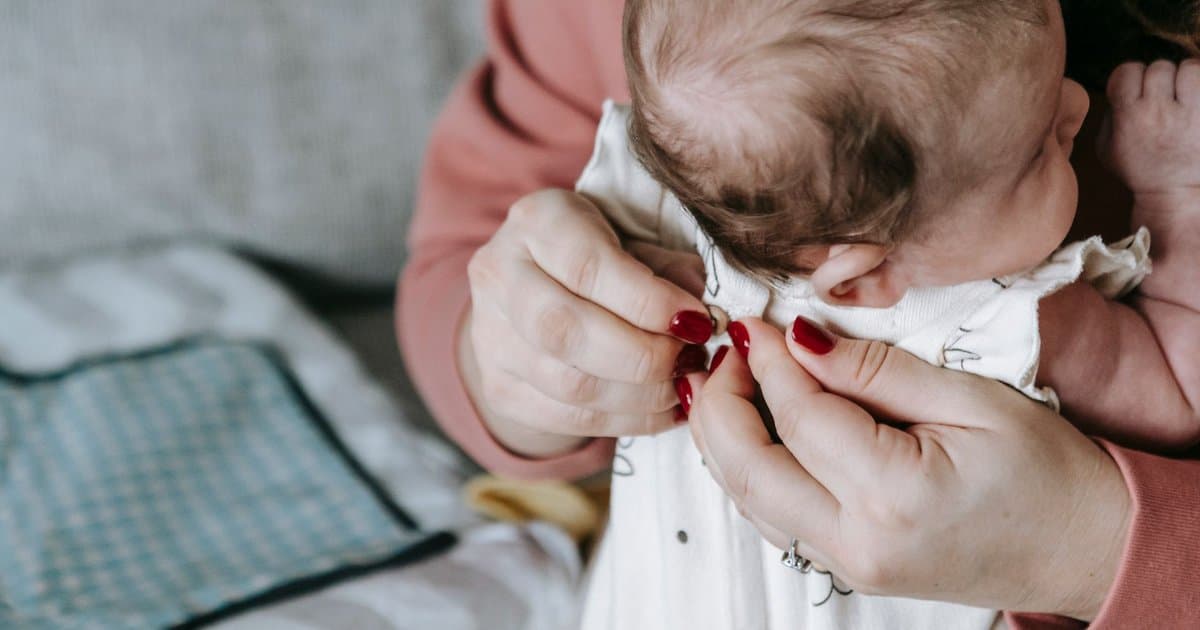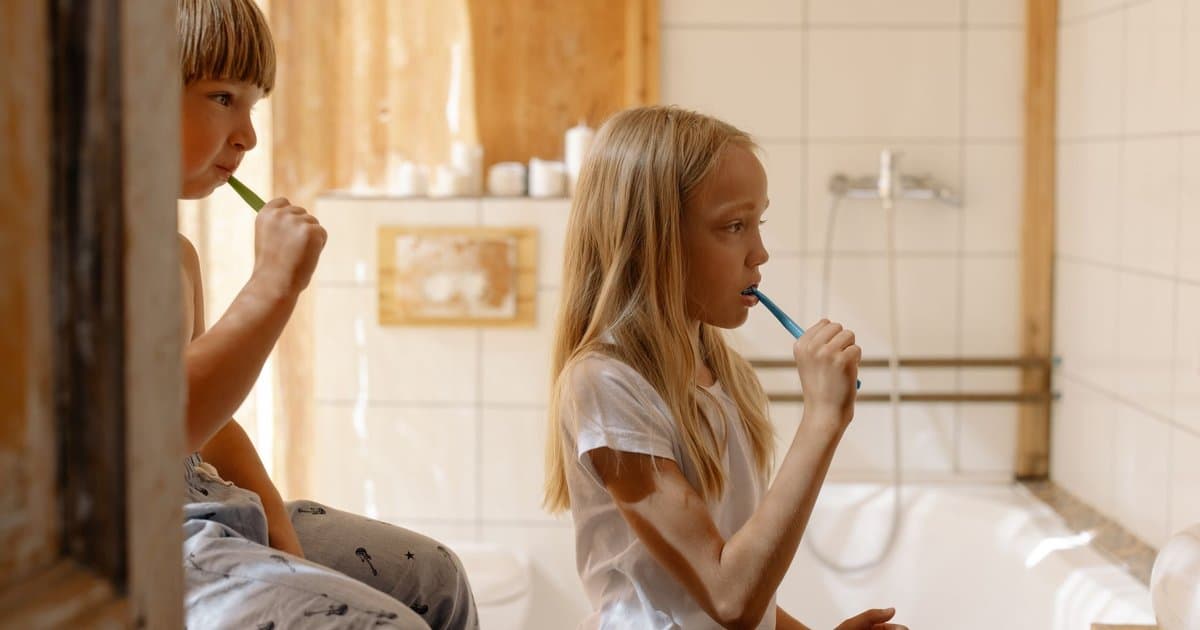
Children are always watching, even when it looks like they are lost in their own world. Long before they can repeat a lesson back to you, they are absorbing how you move through an ordinary day. They learn your tone when you are frustrated, your face when a bill arrives, and the way you greet a stranger at the door. Most of this happens without a single word of instruction from you. You can tell a child what to value a hundred times, but the habits they actually adopt are usually the ones they saw at home. Here are four that tend to transfer whether you mean them to or not.
The first is your relationship with money. Kids notice whether spending in your house feels calm or tense, planned or impulsive. They hear how you talk about people who have more than you and people who have less. If money is a constant source of secrecy and stress, they often carry that same anxiety into adulthood without knowing where it came from. If they see steady choices, saving before spending, and honest talk about limits, that quietly becomes their normal too. You do not need to be wealthy to model this one well. You need to be consistent and calm about it, day after day, so that money looks like something a person manages rather than something that manages them.
The second is how you respond when things go wrong. A flat tire, a rude email, or a plan that falls apart at the last minute are all lessons, whether you intend them or not. Your child is learning what a grown adult does under pressure, and they will reach for the same tools later in their own life. If the pattern they see is yelling, blaming, or shutting down, they tend to repeat it without thinking. If they watch someone take a breath, name the problem, and deal with it, they learn that hard moments are survivable. The event itself matters far less than your reaction to it. Over years of small crises, your reaction becomes the voice they hear in their own head when life goes sideways.
The third is how you talk about yourself. Children hear the offhand comments you make about your body in the mirror, your intelligence after a mistake, or your worth after a setback. To you it is just harmless venting at the end of a long day. To them it is a script for how a person is supposed to treat themselves. A child who grows up hearing a parent speak harshly about their own appearance often learns to do exactly the same. The way you narrate your own flaws quietly teaches them how forgiving or how cruel to be with their own. If you want them to be kind to themselves, they need to hear what that kindness sounds like out loud.
The fourth is how you treat people who can do nothing for you. Watch how your child mirrors the way you speak to a server, a cashier, or a customer service voice on the phone. They are learning where the line of basic respect sits, and whether that line moves depending on who is standing in front of you. If you are warm to your boss and short with the person bagging your groceries, they notice the difference immediately. Kindness that only appears for important people teaches them that respect is a transaction. Kindness that shows up everywhere teaches them it is simply a standard. Children rarely remember the speech about manners, but they never forget how the people around them were actually treated.
It is worth saying that this goes both ways, which is the encouraging part. The same watching that copies your worst habits also copies your best ones. The child who sees you apologize learns to apologize, and the one who sees you keep a promise learns that a word means something. You do not have to build these lessons into some formal program. They are already happening in the car, at the dinner table, and in the checkout line every single week. The ordinary moments you barely notice are doing most of the teaching, which means your regular behavior matters far more than any big talk.
None of this means you have to be perfect, and pretending to be would teach its own bad lesson. Children do not need a flawless parent who never slips. They need one who repairs the damage when it happens. When you lose your temper and come back later to apologize, they learn that mistakes are not the end of a relationship. When you admit you were wrong about something, they learn that honesty costs less than pride. The goal is not to perform a spotless version of yourself for an audience. It is to live in a way you would be comfortable seeing repeated, because sooner or later it will be.