You can spend real money on clothing and still walk out the door looking like you grabbed everything off a clearance rack. The price tag does not decide how an outfit reads to other people. Fit, care, and a few small habits do almost all of that work. The good news is that none of these problems require a bigger budget to solve, only a little more attention. Most of them cost nothing and take less than ten minutes. Once you see the five things that quietly cheapen good clothes, you cannot unsee them.
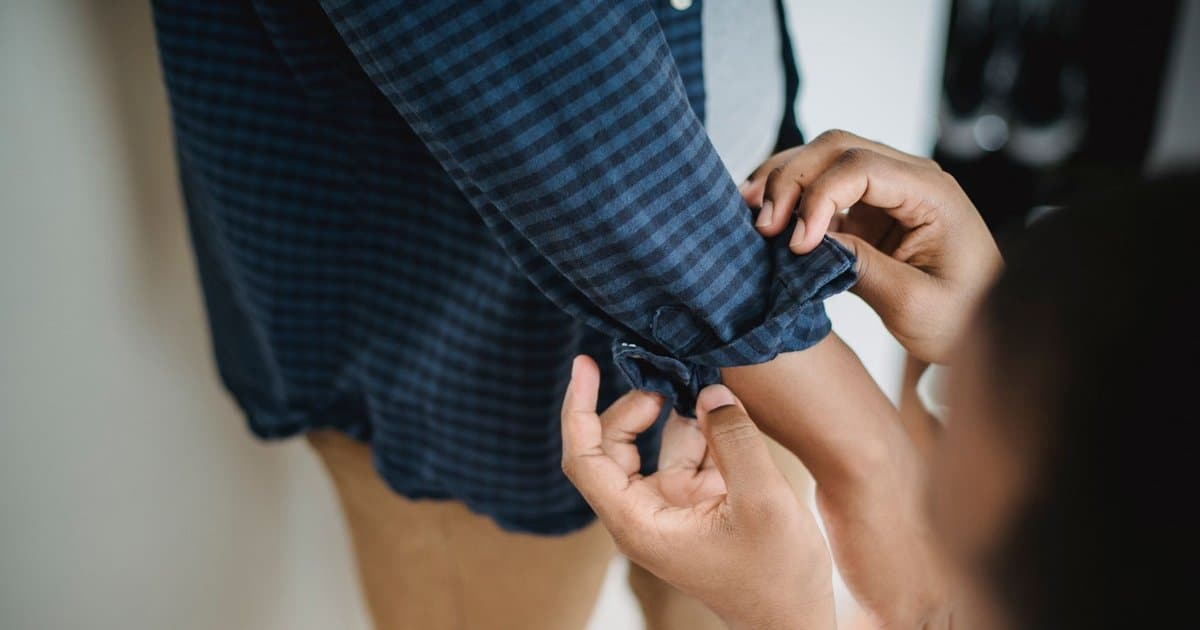
The first one is fit, and it matters more than the brand on the label. A shirt that pulls across the shoulders or a pant that bunches at the ankle will look wrong no matter what it cost. Clothes that drape cleanly from the body read as expensive, even when they are not. This is why a thirty dollar shirt tailored to your frame can beat a hundred dollar shirt straight off the shelf. A good tailor charges very little to take in a seam or hem a length. Spending a few dollars there does more for your look than spending a hundred more on the garment itself.
The second is wrinkles, and they undo everything else instantly. A perfectly nice shirt covered in creases tells everyone it spent the night crushed in a drawer. Five minutes with an iron or a steamer changes how the whole outfit lands. Natural fabrics like cotton and linen wrinkle the most, which is the trade you accept for breathability and quality. Keeping a small handheld steamer near the door fixes the problem on the way out. This single habit separates people who look put together from people who clearly do not.
The third is the condition of your shoes, which people notice far more than you think. Scuffed heels, worn soles, and dusty leather drag down an outfit that is otherwise sharp. A quick wipe, an occasional polish, and a fresh set of laces cost almost nothing. Shoes are one of the first things people read when they size up how someone presents themselves. Clean, maintained shoes can carry a simple outfit, while neglected ones sink a great one. Caring for two or three good pairs beats owning ten pairs you let fall apart.
The fourth is fabric pilling and loose threads, the small wear that signals neglect. Those little fuzzy balls on a sweater and the stray thread hanging off a hem read as cheap even on quality pieces. A cheap fabric shaver removes pilling in seconds and brings a sweater back to life. Trimming loose threads with small scissors takes ten seconds and makes a garment look new again. Most people simply never do it, so the clothes age faster than they should. A few minutes of upkeep keeps good pieces looking good for years.
The fifth is proportion, the way pieces relate to each other on your body. An outfit can be made of nice items and still look off when the proportions fight one another. A boxy top with wide pants can swallow a frame, while everything tight everywhere looks stiff and forced. Balancing a fitted piece with a looser one usually reads as intentional and calm. Paying attention to where hems land and how layers stack does more than any single expensive item. None of this is about following trends or rules for their own sake. It is about looking like you chose your clothes on purpose, which is what actually reads as expensive.