Most people judge clothing by how it looks on the hanger and how much it costs, and both of those signals are unreliable. A high price can hide cheap construction, and a modest price can hide surprising durability. The difference shows up in details that take ten seconds to check before you buy. Once you know what to look at, you stop wasting money on pieces that wear out fast, and you start building a wardrobe that holds up. Here are five signs that tell you whether something was built to last, and none of them require any special knowledge of fashion.
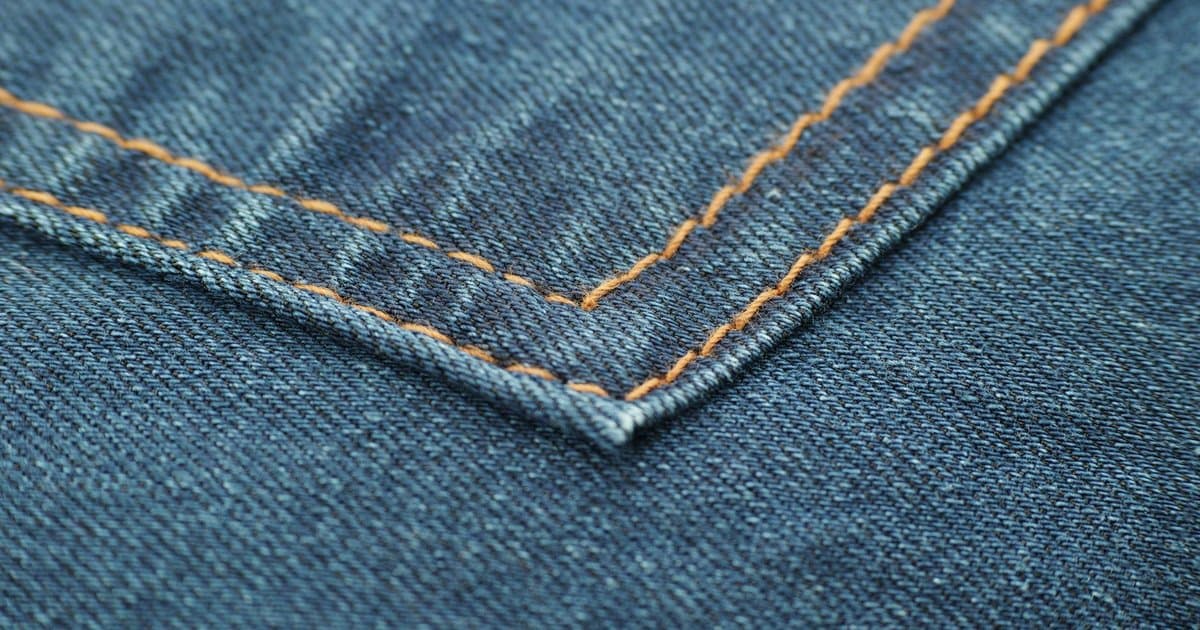
The first sign is the seams. Pull gently at a seam and look at how the fabric is joined. A well made garment uses tight, even stitching with a generous seam allowance, meaning there is extra fabric folded inside rather than a raw edge cut close to the stitch line. Cheap clothing skimps here to save material, which is why the seams pucker, fray, or split after a few washes. French seams or flat felled seams, the kind you see on good shirts and jeans, are a strong signal that the maker cared. If you can see loose threads everywhere or the stitching wanders off line, that is a piece cutting corners.
The second sign is the fabric weight and feel. Hold the material up to the light and notice how much you can see through it. Quality fabric tends to have a denser weave, a bit of weight in the hand, and a surface that does not pill the moment you rub it. Thin, papery material that lets light pour through will lose its shape quickly and often goes see through after washing. This is one of the clearest tells, because no amount of clever design can rescue fabric that was cheap to begin with. Trust your hands more than the label here.
The third sign is the pattern matching at the seams. On a striped or plaid garment, check whether the lines line up where two panels meet, at the side seams, the shoulders, and around the buttons. Matching a pattern wastes fabric and takes skill, so manufacturers only bother when they are making something to a higher standard. When the stripes break and jump at every seam, the maker was rushing and saving cloth. It is a small detail, but it reliably separates careful production from fast, disposable output.
The fourth sign is the hardware and the buttons. Give the zipper a few runs up and down and feel whether it glides or catches. Metal zippers from known makers tend to outlast the flimsy plastic ones that jam within a season. Check the buttons too, since good garments sew them on with a shank and a little thread wrapped around the base, which keeps them from popping off. Spare buttons stitched inside the hem are another quiet sign that the brand expects the piece to last long enough to need them. Cheap clothing treats hardware as an afterthought, and it shows fast.
The fifth sign is the finishing inside the garment. Turn it inside out and look at the parts no one is supposed to see. Clean, bound, or covered seams, neat hems, and tidy thread ends all point to a maker that did not stop caring once the outside looked acceptable. Messy interiors with loose threads, raw edges, and uneven hems tell you the same shortcuts were taken everywhere else. The inside of a garment is honest in a way the front rarely is. Spend ten seconds there before you spend your money, and your closet will thank you for years.