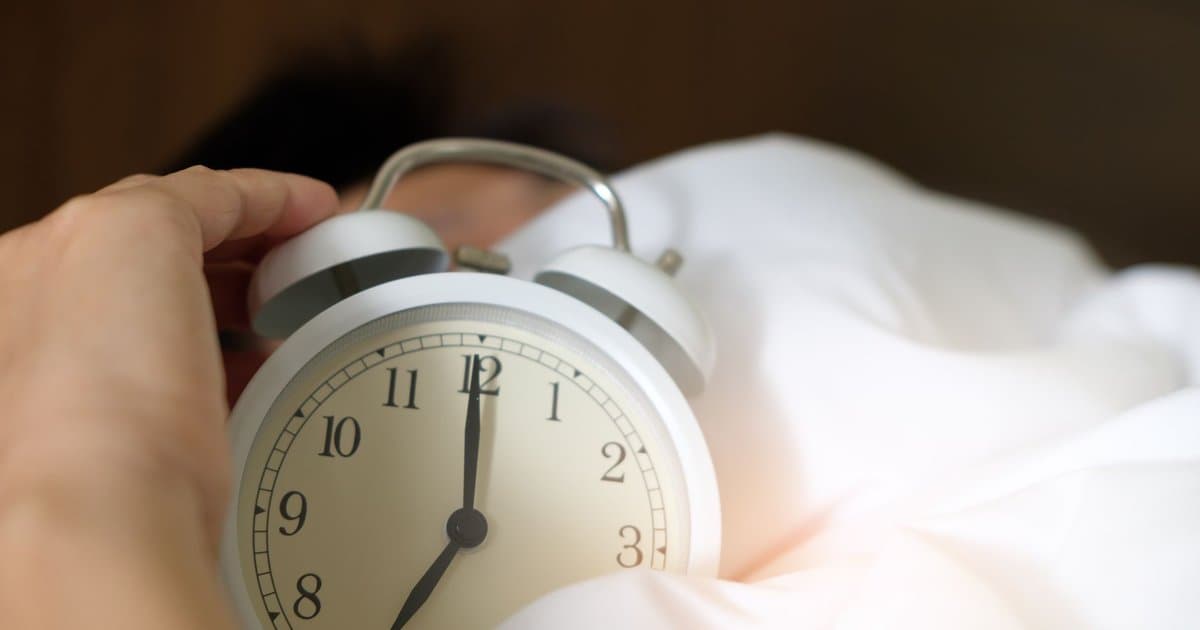
You slept the full eight hours, maybe more, and you still woke up feeling like you barely rested. It is one of the most common complaints people bring to a doctor, and it frustrates them because the fix seems obvious and never works. The truth is that time in bed and actual rest are two different measurements. You can lie down for nine hours and get far less usable sleep than someone who spent seven hours sleeping deeply and without interruption. Sleep is not one flat state, it moves through cycles of light sleep, deep sleep, and dream sleep, and you need all of them in the right amounts. When something quietly breaks those cycles, the clock says you slept plenty while your body says otherwise. The cost is not only grogginess, because sleep that never reaches its deeper stages slowly wears on your mood, your focus, and your health over time. Here are four reasons that gap keeps showing up.
The first reason is that your sleep is being broken into pieces without you knowing it. Every time your brain briefly wakes, even for a few seconds you never remember, it can drop you out of deep sleep and force the cycle to start over. A partner who snores, a pet that shifts, a phone that lights up, or a room that runs too warm can fragment a night into dozens of tiny interruptions. You never recall waking, so the next morning you blame the amount of sleep instead of the quality. Deep sleep is where much of your physical recovery happens, and it mostly comes in the first half of the night. If that stretch keeps getting chopped up, you can spend eight hours in bed and still miss the rest that matters most. The number on the clock looks fine while the sleep behind it is shredded. A sleep tracker that shows restless stretches through the night is often pointing straight at this problem.
The second reason sits on your nightstand or your dinner plate. Alcohol is the clearest example, because a drink before bed helps you fall asleep faster and then wrecks the back half of the night as your body processes it. It suppresses dream sleep, triggers more wakeups, and leaves you groggy even after a full night in bed. Large or late meals do something similar, keeping your digestion working when your body is trying to wind down and cool off. Caffeine has a longer reach than most people think, with a strong dose in the early afternoon still lingering in your system near bedtime. None of these stop you from sleeping, they just lower the grade of the sleep you get. What you eat and drink in the six hours before bed shows up in how you feel at sunrise.
The third reason is that your internal clock is out of sync with your schedule. Your body runs on a roughly twenty-four hour rhythm that decides when you feel sleepy and when you feel awake, and it takes its strongest cues from light. Bright screens late at night tell your brain it is still daytime, which pushes back the release of the hormones that bring on sleep. Going to bed and waking at wildly different times across the week keeps that clock permanently confused, a little like low-grade jet lag you never traveled for. You may fall asleep fine, but your rhythm is working against your alarm, so you get pulled out of deep sleep at the wrong moment. Morning light does the opposite and anchors the clock, which is why a few minutes outside early can matter more than an extra hour in bed. Consistency, not just duration, is what lets the clock do its job. Even holding your wake time steady on weekends does more for your energy than sleeping in to repay a short week.
The fourth reason is the one people miss most, because it hides completely. Sleep apnea causes your breathing to pause briefly over and over through the night, and each pause nudges you toward waking without ever fully rousing you. You can have hundreds of these events and remember none of them, only the exhaustion that follows. The problem often worsens with weight gain, alcohol, or sleeping on your back, which is why it can creep up slowly over years. It is more common than people assume, it often goes undiagnosed for years, and it is strongly linked to snoring, daytime sleepiness, and morning headaches. If you sleep a full night, do the obvious things right, and still wake up drained day after day, that pattern is worth raising with a doctor rather than pushing through. Waking up tired is not a personality trait or a fact of getting older. It is usually a signal that something about the night, not the length of it, needs attention.