The monthly jobs report lands with a thud of coverage every time it comes out. Cable segments run with the headline number, markets twitch, and politicians of every stripe rush to claim it proves whatever they already believed. The figure matters, but it is also noisy, heavily revised, and backward looking by the time you read it. The job count tells you where the economy stood a month ago, not where it is heading next. For households trying to read the road ahead, a few quieter measures usually give a clearer and earlier picture. None of these require an economics degree to follow, and most are published on a regular schedule anyone can track.
The first is initial jobless claims, which come out weekly instead of monthly. This number counts how many people filed for unemployment benefits for the first time in the prior week. Because it arrives every seven days, it picks up turning points long before the big monthly report can. A slow, steady climb in claims over several weeks is one of the earliest hints that hiring is cooling and layoffs are spreading. The weekly figure bounces around, so no single week means much, but the trend over a month or two is worth watching. When claims start drifting up while the headlines still sound fine, the ground is usually already shifting underfoot.
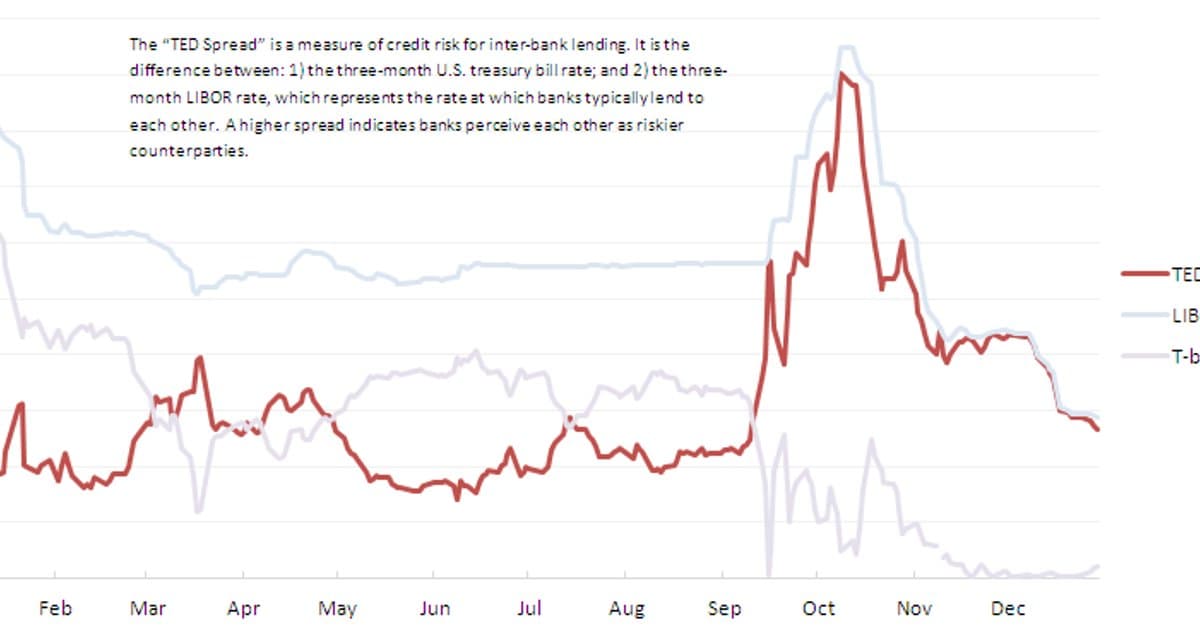
The second signal is the yield curve, which sounds technical but rests on a simple idea. Normally, lenders demand more interest to tie up their money for ten years than for two years, so long term rates sit above short term rates. When that flips and short term rates climb above long term ones, the bond market is signaling that it expects the economy to weaken and rates to fall later. This inversion has preceded most modern recessions, often by a year or more, which makes it an early warning rather than a same day alarm. It is not a guarantee, and the lag can be long and uneven. Still, when the curve inverts, it pays to notice, because a large and patient slice of the market is betting on trouble ahead.
The third is the prices households actually feel, which means looking past the single inflation headline to its parts. Two categories carry outsized weight for most families, and those are housing costs and the price of essentials like groceries and fuel. A cooling overall inflation number can hide a situation where rent and food keep climbing while cheaper electronics drag the average down. The reverse can also happen, where a scary headline masks relief in the spending that matters most. Watching shelter and food separately tells you more about real pressure on a budget than the top line figure does. Wages matter here too, since a raise only helps if it outruns the prices you cannot avoid paying.
The fourth signal is consumer sentiment, which measures how people feel about their own finances and the months ahead. This one is soft data, built from surveys rather than hard transactions, and skeptics fairly point out that feelings and spending do not always match. But sentiment is useful precisely because it can move before behavior does. When people grow nervous about their jobs or prices, they often start trimming discretionary spending, delaying big purchases, and building a cushion. Since consumer spending drives the largest share of the economy, a sustained drop in confidence can become a self fulfilling slowdown. Reading sentiment alongside the harder numbers gives a fuller sense of where momentum is pointing.
The reason this matters beyond the news cycle is that ordinary decisions ride on the same trends. Whether to stretch for a bigger mortgage, change jobs, ask for a raise, or build up savings all depend on which way the wind is blowing. Leaning only on the jobs headline is like driving while staring in the rearview mirror, since it describes a moment that has already passed. The four measures here are public, regular, and free to follow, and together they sketch the direction of travel rather than a single snapshot. No one can call a turning point perfectly, and anyone who claims to should be met with doubt. The goal is not prediction but preparation, and these signals give a household a longer runway to get ready.