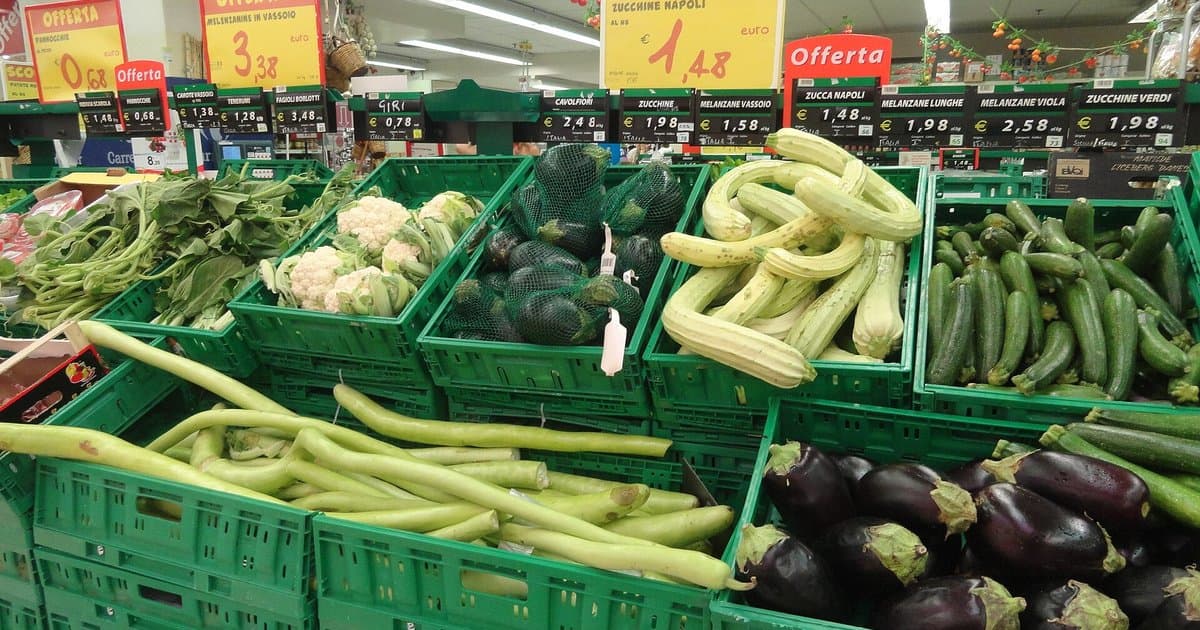
Inflation has cooled from its peak, and headlines now talk about price growth slowing across the country. Many households expected that to mean cheaper trips to the store, then walked into the grocery aisle and found the bill just as high as before. The gap between the news and the receipt is confusing, and it leaves a lot of working families wondering what changed and what did not. The short answer is that slower inflation does not mean falling prices, it only means prices are climbing at a gentler pace. Three forces are keeping food costs stuck near their highest levels in years. Understanding them helps explain why the relief people were promised has not shown up in their carts.
The first reason is the difference between disinflation and deflation, which sounds technical but matters a great deal at the register. Disinflation means the rate of increase is shrinking, so a product that jumped twenty percent one year might rise only three percent the next. Deflation, by contrast, would mean prices actually drop, and that almost never happens broadly outside of a deep recession. So when officials celebrate cooling inflation, they are describing a slower climb, not a return to old prices. The high prices of the past few years are now the new baseline that future small increases build on top of. For a family budgeting week to week, that baseline is exactly the part that hurts.
The second reason is that the costs behind the food never fully reversed once they rose. Wages for grocery and warehouse workers went up and have largely stayed up, which feeds directly into shelf prices. Transportation, packaging, refrigeration, and rent for store space all climbed and have not snapped back to where they were. A handful of large companies dominate meat, packaged goods, and distribution, and that concentration gives them room to hold prices firm. When one input like fuel eases, the savings rarely reach the shopper because other costs rise to fill the space. The result is a price floor that companies have little reason to lower while demand holds steady.
The third reason shows up in package sizes and the quiet end of discounts that shoppers once counted on. Shrinkflation means the box looks the same but holds fewer ounces, so the unit price rises even when the sticker does not. Many chains also pulled back on the deep weekly sales and coupons that used to soften the blow during leaner stretches. Store brands have narrowed the gap with name brands, leaving fewer cheap escape routes on the shelf. Loyalty apps now tie the best prices to digital coupons, which favors shoppers who have the time and phones to chase them. Each of these moves keeps real spending high without ever announcing a price hike.
The people who feel this most are households that spend the largest share of their income on food, which means lower income families and many in growing cities like Nashville. When rent and food both sit near record levels, there is little cushion left for a car repair or a medical bill. Families on fixed benefits see those payments adjust slowly, so they absorb the gap in the meantime. Shoppers can soften the impact by comparing unit prices, leaning on store brands, and building meals around whatever protein is cheapest that week. Buying staples in bulk and cutting food waste also stretch a budget further than chasing a single sale. The larger lesson is that cooling inflation is welcome news for the economy, but it is not the same as prices coming down for the people standing in line.