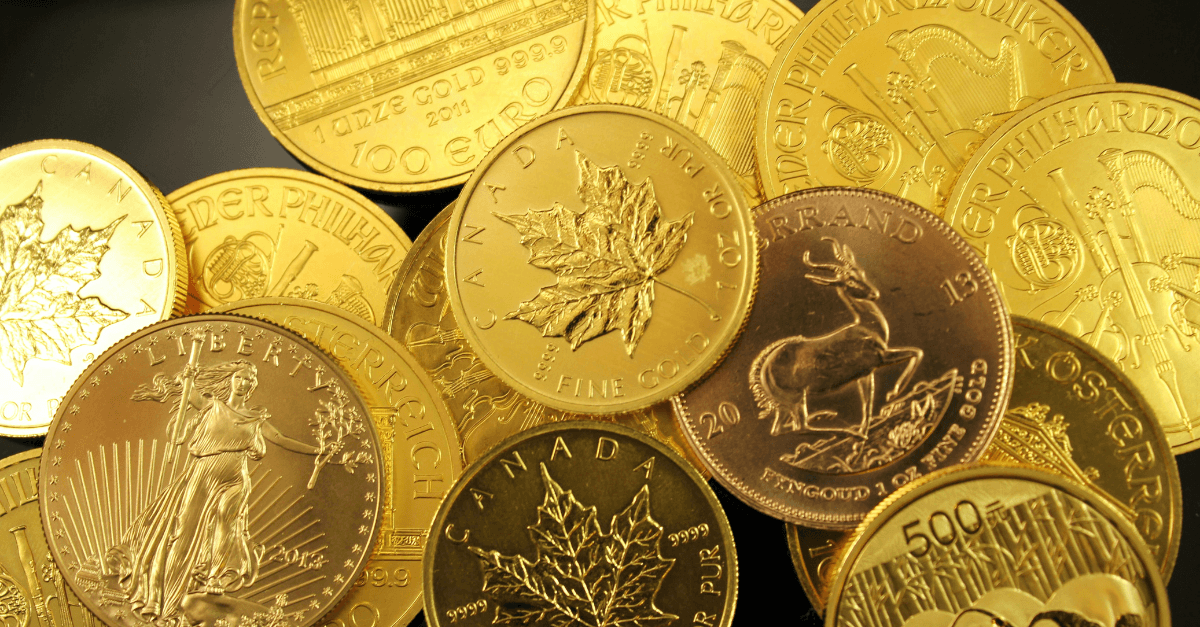
Gold closed at 3,500 dollars an ounce on the New York spot market this afternoon, a fresh record and the fourth consecutive weekly all time high. The move came alongside a 2.1 percent drop in the S and P 500 and a broad bid in long dated Treasuries. Traders pointed to the second straight week of the Strait of Hormuz standoff, a softer than expected retail print out of Commerce earlier in the day, and fresh central bank buying disclosures from the World Gold Council as the immediate drivers.
Gold is up 34 percent year to date and 61 percent over the last twelve months, outpacing every major equity index and most single stock winners. For context, the metal was trading around 2,050 at this point in 2025. The move is not a speculative blowoff. Open interest on COMEX futures has actually declined over the last six weeks while physical flows into London vaults and Shanghai Gold Exchange warehouses have accelerated. That combination tells institutional desks the buying is coming from real money and sovereign accounts, not hedge funds chasing momentum.
The World Gold Council released updated central bank purchase figures this morning showing the sector bought 312 tons in the first quarter of 2026, the third highest Q1 on record. The People's Bank of China added to its official reserves for the seventeenth consecutive month, Poland added 22 tons, Turkey added 14 tons, and India added 11 tons. Singapore and Qatar also showed up as net buyers for the first time in over a year. The WGC noted that disclosed central bank holdings now account for an estimated 17.8 percent of total above ground gold, the highest share since the early 1980s.
The demand story extends beyond central banks. GLD, the largest physical backed gold ETF, has seen 4.8 billion dollars in net inflows over the last four weeks after two years of steady outflows. SPDR filings show pension funds in Wisconsin, Ohio, and California have rebalanced toward gold and commodity exposure in the last reporting cycle. Goldman Sachs raised its year end target to 3,700 dollars an ounce on Friday, citing sustained central bank demand and what the bank called a structural breakdown in dollar reserve diversification.
For American households, the gold rally is showing up in two specific places. The first is IRA allocations. Fidelity and Schwab both reported record inflows into precious metals ETFs inside retirement accounts for Q1, with self directed IRA providers reporting 28 percent year over year growth in physical gold and silver custody requests. The second is pawn shop traffic. National Pawnbrokers Association data shows a 34 percent increase in gold jewelry sell in activity through March as households with discretionary gold holdings take advantage of the price to cover bills or pay down debt. Both flows are running at the same time, which is unusual and suggests the rally is cutting through different income brackets in different directions.
The Treasury market is reacting in parallel. The ten year yield dropped 11 basis points today to 4.28 percent, and the two year fell 14 basis points to 4.12 percent. The curve is now flatter than it has been since January. Fed funds futures moved the probability of a June rate cut back up to 58 percent after yesterday's CPI print had pushed it down to 44 percent. The market is now reading the geopolitical premium as disinflationary on net because demand destruction from an oil shock eventually outweighs the short term gasoline pass through.
Mining equities lagged the metal itself, as they usually do when gold is this overbought. Newmont rose 2.4 percent, Barrick Gold added 3.1 percent, and the GDX ETF gained 2.8 percent. The gold to gold miner ratio remains near multi year highs, which historically precedes a catch up trade in the miners if the metal holds. But that trade has burned people for three years running, and most institutional desks are treating the miners as a pair trade rather than a directional bet.
Silver moved in sympathy, closing at 42.60 an ounce, up 3.8 percent on the day. The gold to silver ratio at 82 is still above its long run average near 60, a gap that silver bulls point to as a setup for a catch up move. Platinum and palladium also rallied, with platinum breaking above 1,200 for the first time since 2021.
The next three data points to watch are the Fed minutes on Wednesday, the ECB rate decision next Thursday, and the Treasury quarterly refunding announcement on April 30. Any dovish signal from the Fed or any demand weakness at the Treasury auctions would likely push gold toward the 3,600 level that technical traders have been flagging as the next resistance. A durable ceasefire in the Hormuz situation or a surprise hawkish surprise from the Fed could trigger a 5 to 8 percent pullback, which desks say would be bought aggressively.
For American investors who have been sitting on the sidelines, the honest answer from most financial planners is the same thing they have been saying for six months. A 3 to 7 percent allocation to gold as part of a diversified portfolio is reasonable in the current environment. Chasing the price at a record high is a different conversation. Dollar cost averaging into the allocation over six to twelve months is the most frequently recommended approach by fee only advisors.