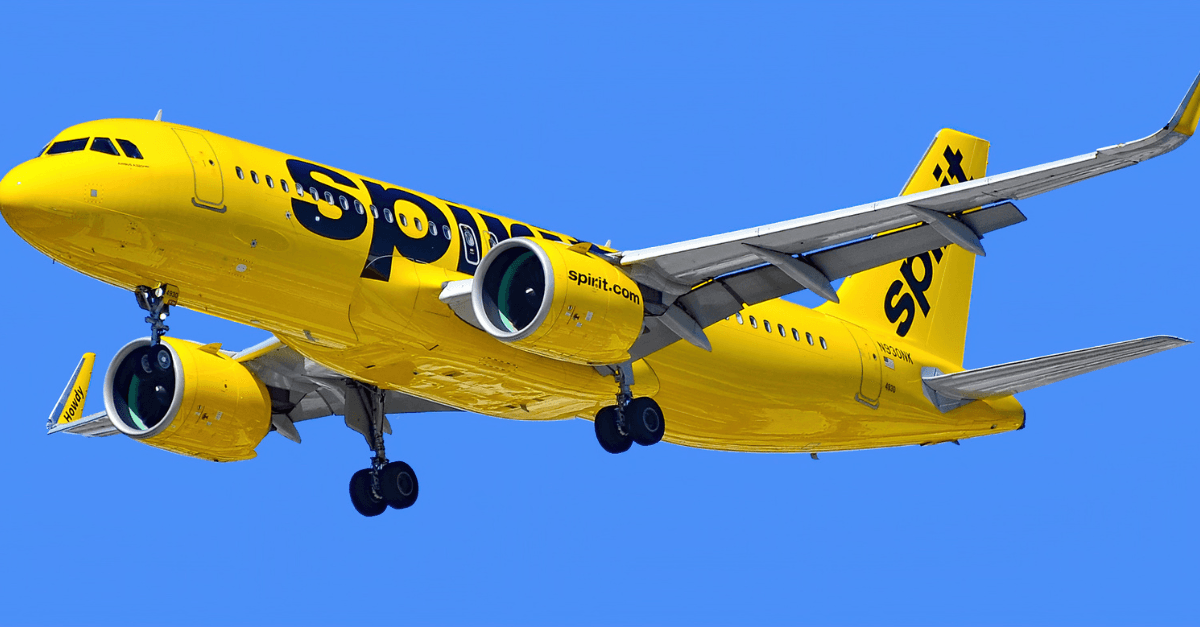
Spirit Airlines filed a motion in the Southern District of New York on Monday, May 4, 2026, to wind down operations under Chapter 11. The motion sets a 60 to 90 day timeline for full operational shutdown, beginning with a phased reduction of routes through the second half of May and continuing through July. The carrier ceases new ticket sales on May 6 at 11:59 PM Eastern. Existing tickets through that date will be honored if operationally possible. Tickets booked for travel after May 6 will be processed for refund through the Department of Transportation's standard cancellation procedure.
The wind-down affects approximately 17,000 employees, including 5,500 flight attendants, 3,200 pilots, ground operations, customer service, and corporate staff. The Association of Flight Attendants and the Air Line Pilots Association are in negotiation with Spirit's bankruptcy trustees over severance, accrued vacation, and pension obligations. Severance for Spirit employees is subordinated to secured creditors under Chapter 11 priority rules, which means the workforce is unlikely to recover full contractual amounts.
The Department of Transportation issued an emergency rule Monday afternoon capping unaccompanied Spirit fares on competing carriers at $200 for travel through May 6. United, Delta, JetBlue, Southwest, and American agreed to the cap as a condition of accepting transferred Spirit passengers. The cap applies to one-way tickets within the contiguous United States. International, Hawaii, and Alaska routes are excluded. Travelers holding Spirit tickets for travel after May 6 should expect refund processing within 7 to 21 days through the original payment method.
Nashville International Airport is among the markets affected but not as severely as some hub markets. Spirit operated 12 daily departures from BNA at peak in 2024, primarily to Fort Lauderdale, Orlando, Las Vegas, Atlanta, Newark, Detroit, Atlantic City, and Houston. The schedule had already contracted to 7 daily departures by April 2026 ahead of the bankruptcy. Replacement capacity from Southwest, Frontier, and Allegiant is expected to absorb most affected Nashville passengers within 30 days, though fares are projected to rise 18 to 27 percent on the Spirit-served routes for the next 60 days according to airline industry analysts at Cowen and Raymond James.
Travelers holding existing Spirit reservations should follow a specific sequence. First, check the status of the booking on spirit.com or the Spirit app for the current operating status. Bookings showing as canceled or rescheduled should be screenshotted for records. Second, contact the original payment method. Credit card refunds are processed first under DOT rules. Debit card refunds follow. Travel agency bookings require contact through the agency. Third, Spirit Saver Club memberships, free spirit loyalty points, and travel vouchers will be processed last in the bankruptcy and may be subject to partial recovery only.
Passengers holding tickets booked through third-party sites including Expedia, Priceline, Kayak, and Hopper need to file refund requests through those sites rather than directly with Spirit. The DOT advisory specifies that the original ticket seller bears the refund obligation. Most third-party sites have established Spirit-specific refund forms following the bankruptcy filing.
The Department of Transportation maintains a dedicated page at transportation.gov/spirit with daily status updates, the list of carriers honoring the $200 fare cap, and instructions for refund disputes. The Tennessee Attorney General's office issued a parallel consumer advisory Monday afternoon directing Tennessee residents to file complaints through tn.gov/attorneygeneral if a Spirit refund is not processed within 30 days. The advisory references Tennessee Consumer Protection Act provisions that apply to airline contracts under state law.
The bankruptcy follows two failed restructuring attempts since August 2024. The blocked merger with JetBlue in early 2024, the failed equity raise of November 2024, and the rejection of the $500 million emergency funding package proposed in March 2026 by senior creditors set the wind-down in motion. Spirit's debt load of $4.7 billion against fleet assets valued at $2.1 billion in current secondary market conditions left no path to reorganization. The trustee will auction Spirit's 195 aircraft over the 60 to 90 day window, with most of the fleet expected to move to existing low-cost carriers in Latin America and to leasing companies for redeployment.
The Federal Aviation Administration is reassigning Spirit's slot allocations at slot-controlled airports. LaGuardia and Reagan National will redistribute Spirit slots beginning May 11. The redistribution is expected to favor United, Delta, and JetBlue, which had filed slot requests during the prior reduction process. Nashville is not slot-controlled and will not see slot redistribution.
The broader market impact is concentrated in Florida, Atlantic City, and Las Vegas, where Spirit had its largest market shares. Communities that depended on Spirit for affordable connecting service to family destinations face the largest fare increases. Industry analysts project 14 to 22 percent fare increases on competing carriers in those markets for the next 90 days before new entrants stabilize pricing.
Travelers in Nashville with bookings on Spirit should rebook within 48 hours to take advantage of the $200 DOT fare cap before the May 6 expiration. Refund processing will continue for affected passengers through the trustee's office for up to nine months following the wind-down completion.
Sources: Department of Transportation emergency rule, May 4, 2026. Spirit Airlines bankruptcy filing, SDNY Case 26-bk-22847. Tennessee Attorney General Consumer Advisory, May 4, 2026.