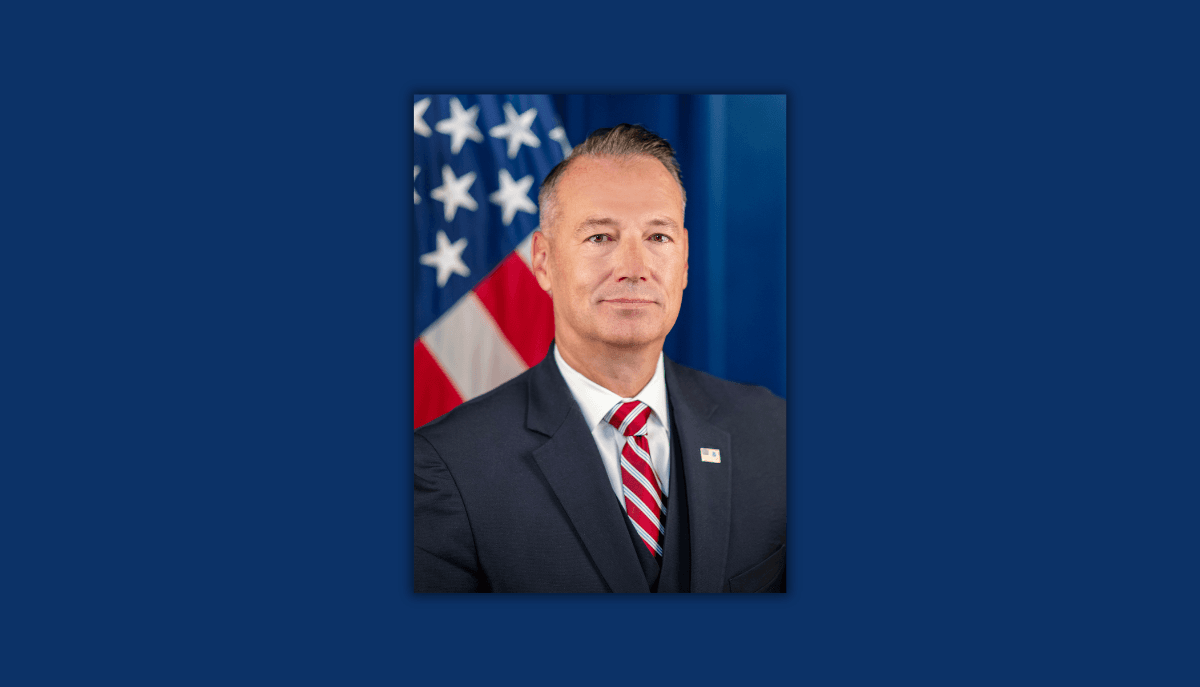
Acting Immigration and Customs Enforcement Director Todd Lyons announced on April 17, 2026 that he will step down from the role, ending a tenure that spanned one of the most aggressive enforcement pushes in the agency's history. The announcement came during a closed-door meeting with senior leadership before being shared publicly through a brief statement from the Department of Homeland Security. Lyons did not name a successor and did not provide a specific departure date, though officials familiar with the transition said the handoff is expected to take place before the end of May. The White House has not signaled who it prefers for the permanent role. For now, operational authority will continue to run through the regional field office directors until a replacement is named.
Lyons took the acting position after years of working inside the agency on the enforcement and removal operations side. He moved into the top job during a period when the administration was pushing the agency toward a stated goal of one million deportations in a single fiscal year. Under his leadership, ICE expanded interior enforcement operations, increased workplace audits, and accelerated coordination with local law enforcement agencies in states that opted into information-sharing agreements. The agency also faced internal strain. Field offices reported staffing shortfalls, overtime burnout, and a contracting pipeline for detention space that was running over capacity in multiple regions.
Community impact varied sharply by geography. Cities with active 287(g) agreements or state-level cooperation laws saw the sharpest increase in arrests and detentions. Nashville was one of those cities. Tennessee's expanded cooperation framework meant that local sheriff's offices in Davidson, Rutherford, and Williamson counties processed immigration detainers at higher volumes than in prior years. Haitian, Central American, and West African communities in the Nashville metro area reported a sustained climate of caution. Church-based legal clinics and immigrant advocacy groups said call volume for deportation-related help nearly tripled between early 2025 and the first quarter of 2026.
Lyons himself did not comment on specific enforcement numbers in his departure announcement. A senior DHS official told reporters that he planned to return to the private sector and that his decision to step back was a personal one rather than a response to a specific incident. That framing matters. Over the past six months, ICE has faced legal challenges over detention conditions, a series of court rulings on parole and protected status programs, and congressional subpoenas related to the agency's use of contracted transport services. Any departure by a sitting director during active litigation draws scrutiny over whether operational decisions are being made with long-term strategy or near-term pressure.
The next director will inherit a difficult brief. On one side of the ledger, the agency is expected to continue hitting the numerical goals the administration has set publicly. On the other side, multiple federal judges have limited specific enforcement tactics, Congress has asked hard questions about budget transparency, and several states have moved to restrict local cooperation. Those competing pressures are the day-to-day work of running ICE in 2026. Whoever takes the job will also need to address morale inside the agency. Internal surveys from late 2025 showed lower job satisfaction in field offices than at any point since the surveys began.
Congressional response was immediate. Republican lawmakers on the House Homeland Security Committee praised Lyons's tenure and pushed the White House to name a permanent director who would continue the same enforcement approach. Democratic lawmakers, including the Congressional Hispanic Caucus and the Congressional Black Caucus, called for a full review of enforcement practices under his watch before a new director takes over. Senator Cory Booker requested that DHS produce records of all operations conducted inside places of worship, schools, and healthcare facilities over the past twelve months. Those records have been a point of contention across multiple oversight hearings.
For communities directly affected by enforcement, the leadership change does not carry an immediate operational meaning. Removals will continue under the authority of regional directors and the existing detention pipeline. Immigration attorneys said their advice to clients has not changed. Keep documents organized. Know your rights. Have a family emergency plan. The agency's posture is defined more by budget appropriations and executive direction than by any single director's style. What a new director can change over time is the culture of the agency, the selection of priorities within a fixed budget, and the tone of relationships with local jurisdictions.
What to watch next is the timeline. If the White House names a successor quickly, the transition will be brief and the enforcement approach will continue with little visible change. If the nomination stretches into summer, the agency will operate without permanent leadership during hurricane season, the end of the fiscal year, and the ramp-up to the November elections. Each of those windows creates operational risk. Every ICE director in recent memory has had to balance political direction, legal constraints, and field operations at once. The next one will take the job at a moment when all three variables are moving faster than usual.