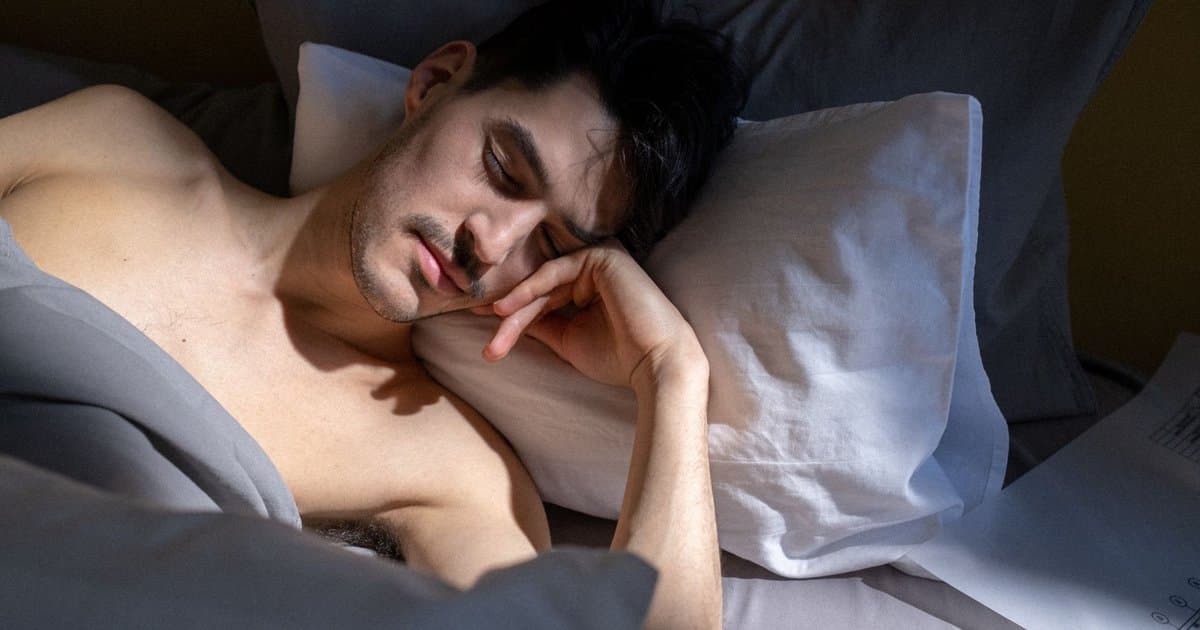
Most people think the difference between good sleep and bad sleep comes down to how many hours they spent in bed. They count the time, see seven or eight hours, and cannot understand why they still wake up foggy and dragging. The hours matter, but they are only part of the story. What almost nobody pays attention to is the simple mechanical act of how air moves in and out while they sleep. If your mouth falls open at night and you breathe through it instead of your nose, the quality of every one of those hours drops, and you pay for it the next day without ever knowing why.
Your nose is built to do far more than smell. It warms the air, adds moisture to it, and filters out particles before they reach your lungs, and it also produces a gas that helps your blood carry oxygen more efficiently. When you bypass all of that by breathing through your mouth, the air arrives cold, dry, and unfiltered, and your body has to work harder to get the same benefit from each breath. Over a full night that extra effort adds up. Your sleep grows lighter and more broken, your throat dries out, and the deep restorative stages that actually repair you get cut short. You can spend eight hours horizontal and still get the rest of someone who slept five.
The signs are easy to recognize once you know what you are looking for. People who breathe through their mouths at night often wake with a dry, scratchy throat or cracked lips, and they reach for water before they are even fully awake. They snore more, because mouth breathing collapses the airway in a way nose breathing does not, and the snoring fragments their sleep and sometimes their partner's too. They wake feeling unrefreshed no matter how early they went to bed, and they fight an afternoon slump that coffee never quite fixes. Bad morning breath that no amount of brushing solves is another quiet clue, because a dry mouth lets bacteria multiply overnight.
The downstream effects reach further than tiredness. Chronic mouth breathing has been linked to higher blood pressure, more daytime sleepiness, and worse focus, because the body never settles into the calm, slow breathing pattern that real rest depends on. In children the pattern can even affect how the face and jaw develop over years, which is why dentists and pediatricians watch for it closely. For adults the damage is less visible but just as real, showing up as the slow erosion of energy, mood, and concentration that gets blamed on stress or age when the actual cause is the open mouth on the pillow every night. The fix is worth taking seriously precisely because the cost compounds so quietly.
The good news is that this is one of the most fixable problems in all of sleep. Start by paying attention to your nose during the day, because if you cannot breathe through it easily while awake you will not do it asleep. Address congestion at the source, whether that means treating allergies, using a saline rinse, or seeing a doctor about a blocked passage or a deviated septum. At night, try sleeping on your side rather than your back, since lying flat makes the mouth fall open and the airway sag. Keep the bedroom air from getting too dry, and give yourself a few minutes of slow nose breathing before bed to set the pattern.
Some people take it a step further with a method that sounds strange but has a growing following. They place a small piece of gentle medical tape over the center of the lips at night to keep the mouth closed and encourage nose breathing, a practice often called mouth taping. It can genuinely help the right person, but it is not for everyone, and anyone with significant nasal blockage, sleep apnea, or trouble breathing should talk to a doctor before trying it rather than forcing the issue. The safer first move for most people is simply to clear the nose and fix the sleeping position, then see how much changes. You may find that the morning fog you assumed was permanent lifts within a week or two.
What makes this matter is how invisible the problem is to the person living with it. You cannot watch yourself sleep, so unless a partner mentions the snoring or you notice the dry mouth, you may go years assuming your tiredness is just life. Take a few nights to check. Notice how your mouth feels when you wake, whether your throat is dry, whether you snored. If the answers point to mouth breathing, you have found something you can actually change, and changing it does not require a prescription, a gadget, or more hours in bed. It just requires getting your nose back in the job it was built for, and letting your sleep finally do what it is supposed to do.