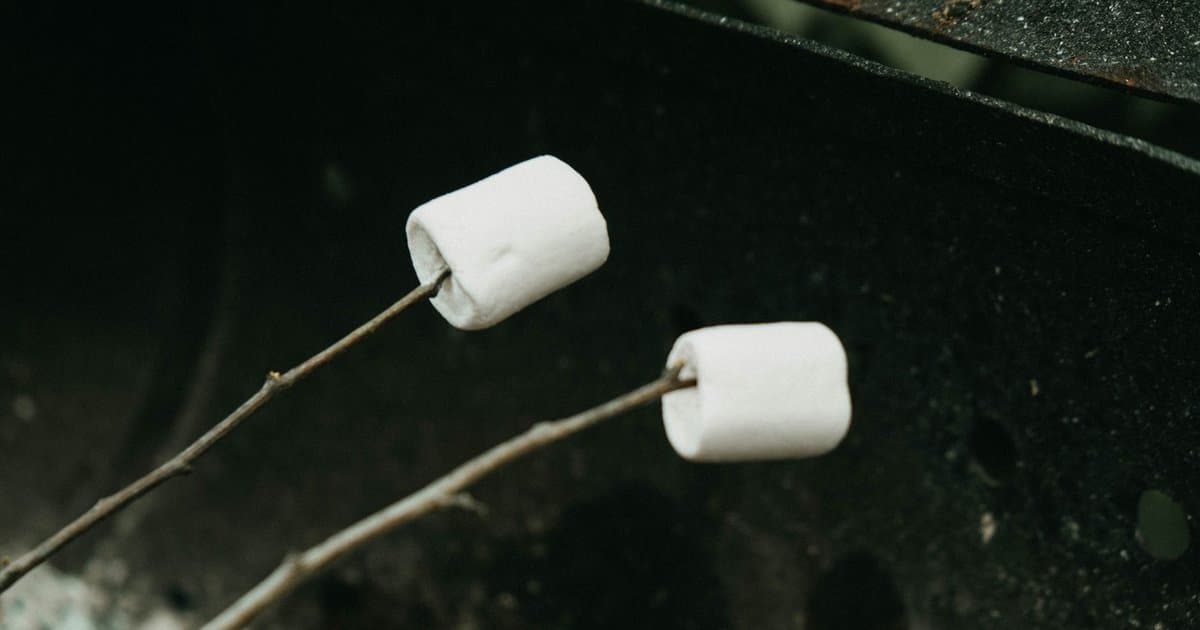
You have probably heard about the marshmallow test, even if you never knew its name. A young child sits at a table with a single marshmallow and a hard choice. Eat this one now, or wait about 15 minutes alone and get two. The experiment came out of Stanford in the late 1960s and early 1970s, led by a researcher named Walter Mischel. For decades, it was told as a neat story about willpower, and that story shaped how many parents think about raising kids. The trouble is that the tidy version leaves out the most important part.
The reason the test became famous was the follow up. Researchers tracked some of the children over the years and reported that the kids who waited seemed to do better later on. They pointed to higher test scores and other signs of success down the road. From there, a simple message spread far and wide. Teach your child to resist the marshmallow, the thinking went, and you are building the self control that leads to a good life. It was a comforting idea, and it fit what people already believed about grit.
But the original studies were small, and that matters more than it sounds. The famous follow ups were based on only a few dozen children, and many of them were the kids of Stanford staff and students. That is a narrow and privileged slice of the world, not a picture of children everywhere. When a finding comes from such a small and similar group, it can look stronger than it really is. Good science asks whether the result holds up in a bigger and more varied crowd. For a long time, no one had truly checked.
Then in 2018, a team of researchers ran a much larger and more careful version of the study. They tested more than 900 children, chosen to reflect a wide range of family backgrounds, incomes, and home situations. This sample looked far more like the real population than the original ever did. The size alone made the results more trustworthy. What they found reshaped how experts talk about the marshmallow test to this day. The willpower story did not survive contact with better data.
The link between waiting and later success turned out to be much weaker than the legend claimed. It was about half the size first reported, and most of it faded once the researchers accounted for the child's family background. In plain terms, factors like a mother's education, household income, and a stable home explained most of what the marshmallow seemed to predict. The treat on the table was not really measuring some pure inner strength. It was picking up on the life the child came from. That is a very different lesson for parents.
An earlier study helps explain why. In 2013, researchers in Rochester showed that children act on what they have learned to expect. When kids were placed in a setting where an adult broke a promise, they grabbed the treat quickly, and they were right to. Why wait for a second marshmallow when the grown ups around you are not reliable? When the adults kept their word, the same kids waited far longer. So a child who eats the marshmallow fast may not lack willpower at all. They may simply be making a smart bet based on their world.
This changes what the test should mean to a parent. If your young child grabs the treat, it is not a sign that they are doomed to a life of poor choices. And if they wait, it does not guarantee a corner office someday. What actually seems to move the needle is the environment you build around them. A stable home, kept promises, and a sense that the world is dependable teach a child that patience pays off. Those things are worth far more than drilling a toddler on resisting snacks.
The bigger takeaway is a healthy caution about tidy science stories. A single striking study, repeated enough times, can harden into a myth that outruns the evidence. The marshmallow test is a reminder to ask how big a study was and who it included before we build our parenting around it. The most useful version of the finding is not about grit at all. It is about the power of a steady, trustworthy home. That is both a burden and a gift, because it is something families can actually work on.