From childhood, most of us hear the same rule about the bedroom. Make your bed first thing, and the day starts on the right foot. It looks tidy, it feels disciplined, and it takes only a minute. For the most part that is fine advice, and a made bed does lift a room. There is one wrinkle worth knowing, though, and it has to do with what lives in your sheets. Rushing to pull the covers up tight might not be the cleanest move. The reason comes down to some very small roommates.
Your bed is home to creatures you will never see with the naked eye. They are dust mites, tiny relatives of spiders, and they are everywhere in bedding. They do not bite, and they are not a sign of a dirty home. They feed on the flakes of dead skin that every person sheds while they sleep. A single mattress can hold hundreds of thousands to millions of them. That sounds alarming, but it is simply normal life in a bed. The goal is not to panic, it is to keep their numbers down.
To thrive, these mites need two things above all. They need warmth, and they need moisture in the air around them. It turns out your body hands them both every single night. You give off heat for hours, and you sweat more than you might guess while you sleep. All of that moisture soaks into the sheets and the mattress below. By morning, your bed is a warm, damp place, which is exactly what a mite wants. Take away the damp, and their good conditions disappear.
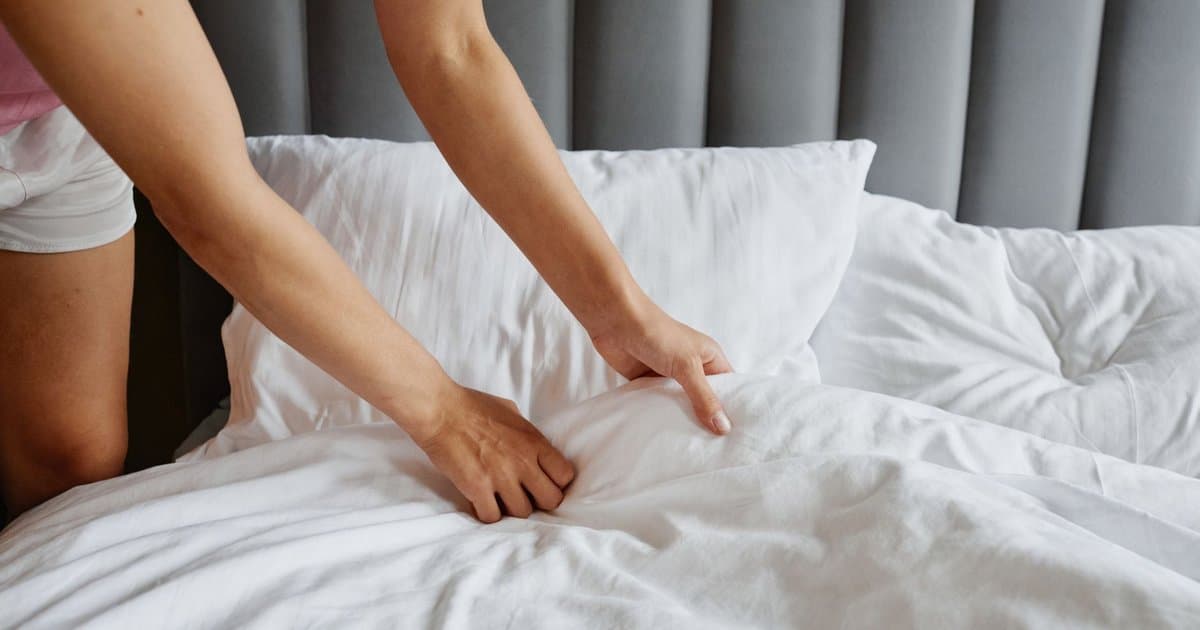
Here is where the made bed comes in. When you pull the covers up tight the moment you rise, you seal that warm moisture inside. The trapped dampness keeps the bedding cozy and humid for the mites. Leave the bed open instead, with the covers folded back, and the story changes. Air reaches the sheets, the moisture evaporates, and the bedding cools and dries. A dry bed is a far less friendly home for the mites. That small delay does the quiet work.
There is even a bit of research behind the idea. A study from Kingston University in England looked at this exact question. The researchers suggested that leaving a bed unmade could help lower dust mite numbers over time. The thinking was simple, since drier sheets give the mites less of what they need. It is worth being honest that the evidence here is limited and still debated. Room humidity and airflow matter a great deal too. Still, airing out your bed costs nothing, so it is a fair habit to try.
Why care about any of this in the first place? For many people, dust mites are harmless and go unnoticed. For others, the tiny particles they leave behind are a real trigger. Those particles can set off allergies and make asthma worse. If you wake up with a stuffy nose, itchy eyes, or a morning sneeze, mites may play a part. Cutting their numbers can ease those morning symptoms for sensitive sleepers. That is a decent payoff for pulling back a blanket.
Turning this into a routine is easy and takes no extra time. When you get up, fold the covers back toward the foot of the bed. Let it air out while you shower and eat, which is often thirty minutes to an hour. Open a window or crack the door so fresh air can move through. Wash your sheets about once a week in hot water to clear away skin and mites. Keeping the room a little less humid helps even more. Then make the bed later if a tidy look matters to you.
Airing the bed is only one small piece of a cleaner sleep space. Your pillows collect skin, oil, and mites too, so wash the washable ones and replace old ones every couple of years. A zippered cover on the mattress and pillows blocks mites from settling in deep. A quick vacuum of the mattress now and then pulls out dust that builds up. Letting sunlight into the room helps, since light and dry air both work against mites. None of these steps take long once they become habit. Together they matter more than the exact moment you smooth the covers.
None of this means you should give up on a made bed. Making your bed still carries real benefits, from a calmer room to a small early win for your day. The point is only to wait a little before you smooth it down. Give the sheets a chance to breathe and dry out first. It is a tiny change that asks nothing of you but a short pause. For a lot of people, especially those with allergies, that pause is worth it. Tidy can wait until after the air has done its job.