You clean out a closet, fill three bags, and drop them at a donation center. The story most of us tell ourselves ends there, with somebody in your city buying your old coat for a few dollars. Part of that story is true, but only a small part. Donated clothing enters a sorting business that stretches across several countries, and the item you dropped off has a good chance of ending its life thousands of miles away. Knowing how that chain works does not mean you should stop donating. It means you can donate in a way that actually helps.
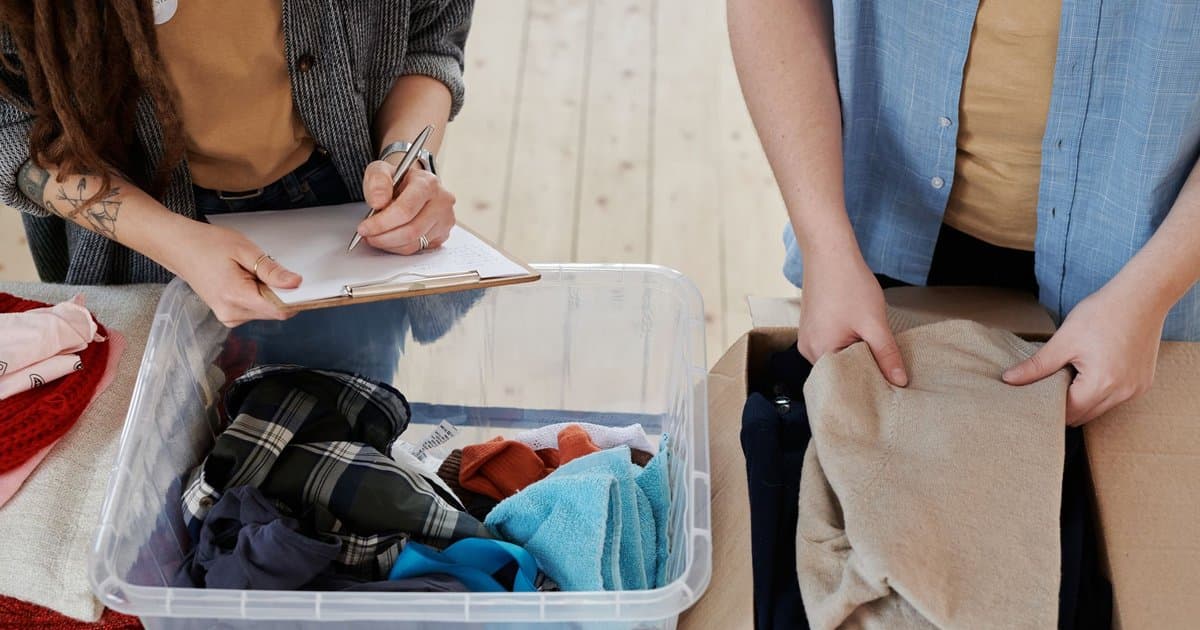
The first stop is the sales floor, and it is the narrowest gate in the whole system. A thrift store has limited rack space, limited staff hours, and a fairly clear sense of what sells in its neighborhood. Items that are stained, torn, out of season, or simply too worn never get priced. What does get priced usually has a short window on the floor, often a few weeks, before it gets pulled to make room. Different organizations report different figures, but the share that sells in the original store is far smaller than most donors imagine. Everything else moves down the chain.
The second stop is the outlet, which regular shoppers call the bins. Unsold goods get dumped into large rolling containers and sold by the pound rather than by the item. Resellers, crafters, and bargain hunters dig through them, and prices run low enough that a full cart can cost a few dollars. This is where a lot of value gets recovered, because someone who knows brands can spot a good piece that a busy sorter missed. Whatever survives the bins gets baled and sold again, this time to a textile grader. At that point your shirt is no longer clothing in any commercial sense. It is raw material sold by weight.
Graders do the work almost nobody sees. They open the bales and separate items into dozens of grades based on fabric, condition, and the market they are headed for. Some grades go to specific countries where certain styles or sizes sell well. Some go to industrial wiping cloths, which is a real and steady business. Some get shredded into fiber for insulation, carpet padding, and stuffing. A last portion is simply waste from the moment it lands, because it is too damaged to sell or process. Grading is a margin business, so the quality of what you donate directly changes where it lands.
Export is the stage that has drawn the most attention lately. Large volumes of used clothing move from North America and Europe to secondhand markets in West Africa, East Africa, South Asia, and Latin America. Kantamanto market in Accra, Ghana is one of the biggest, and researchers there have estimated it takes in millions of used garments every week. Traders buy bales without seeing the contents, which means they carry the risk of whatever is inside. When a bale is full of fast fashion that falls apart, the trader takes the loss and the surrounding community absorbs the waste. Local groups have documented clothing piling up in gutters, on beaches, and in unmanaged dumps.
The volume behind all of this is the part worth sitting with. In the United States, the federal EPA has put textile waste in the tens of millions of tons in a single year, with the clear majority landfilled. Clothing prices have fallen in real terms for decades while the number of items bought per person has climbed. Donation is often treated as the release valve that makes heavy buying feel harmless. The chain can absorb a lot, but it cannot absorb everything, and quality has been dropping as fast as volume has been rising. That is the real strain, not the act of donating itself.
There are better and worse ways to hand things over. Donate clean, dry, and complete items, because a stained shirt costs the organization money to handle and earns nothing. Keep pairs together, zip the zippers, and skip anything you would be embarrassed to hand a friend. Seasonal timing helps more than people think, since coats donated in October reach a buyer who needs one. For items in genuinely rough shape, look for a textile recycling drop rather than the donation bin. Several retailers and city programs collect worn textiles specifically for fiber recovery.
The strongest lever, though, sits earlier in the process. Every choice that keeps a garment in use longer takes pressure off the whole chain behind it. Repairing a seam, replacing a button, buying fewer and better pieces, and passing items directly to someone who wants them all do more than any sorting improvement downstream. Donating is still worth doing and thrift stores still fund real work in real communities. Just stop treating the bin as an ending. It is a handoff, and what you hand off decides what happens next.