Single family rentals get all the attention, and they should. The financing is cheap. The exit liquidity is the deepest in real estate. But if you are buying in 2026 with between 100 and 500 thousand dollars to deploy, single family is not where the math is best right now. Self storage is. The gap is not small, and the operational drag is a fraction of what residential rentals require.
Start with the obvious problem in single family. Cap rates on Class B and C properties in Nashville, Atlanta, Charlotte, and Dallas have compressed to between 5.5 and 6.5 percent. Mortgage rates for non owner occupied loans are running 7.25 to 8.5 percent depending on credit and reserves. That spread is negative. You are paying more for the money than the asset is yielding before vacancy, repairs, capex, or turnover. Cash flow is a fairy tale unless you put 30 to 40 percent down.
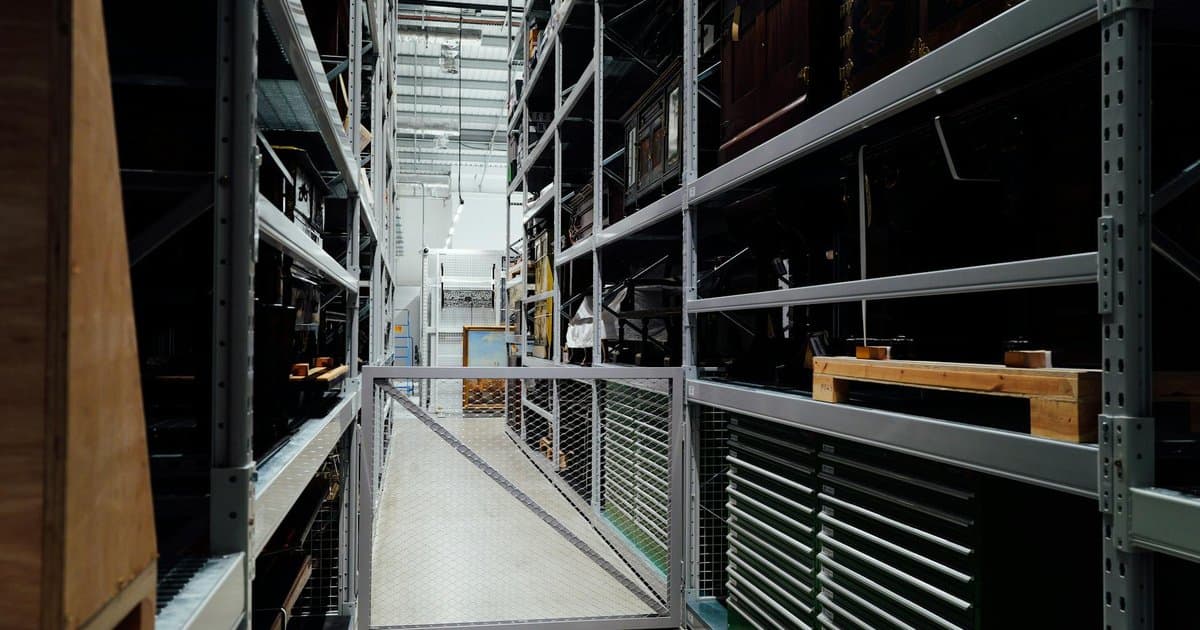
Self storage looks different. Cap rates on stabilized Class B facilities in tertiary and secondary markets are still trading between 7 and 8.5 percent. Commercial loan rates run between 7 and 7.75 percent for borrowers with a real balance sheet. The spread is still positive. That positive spread is what makes the asset cash flow on day one. Add in revenue management software like StorEDGE or SiteLink that raises rents on existing tenants 8 to 14 percent annually with little pushback, and the income trajectory looks nothing like a single family rental.
The operational difference is what closes the case. A single family rental is one tenant in one unit. When that tenant moves out, you lose 100 percent of your income for the unit until you turn it. A 200 unit storage facility at 85 percent occupancy has 170 paying tenants. When one moves out, you lose half a percent of your income. Average lease length is now 17 months per Inside Self Storage 2024 data, so the income smoothing is structural.
The cap ex profile is the other half of the story. A single family rental needs a roof every twenty years at 12 to 18 thousand dollars. It needs HVAC for 8 to 12 thousand. It needs new flooring at every turn. A self storage facility has none of these. The roof on a metal storage building lasts thirty plus years. The lifetime maintenance burden is a fraction of what a residential rental carries.
Financing has caught up to the asset class. SBA 504 loans for owner operated storage facilities now go up to 90 percent of acquisition cost in some cases, with the SBA portion fixed in the low to mid 6 percent range. That kind of debt structure is not available on residential investment property. You can buy a 1.2 million dollar facility with 120 thousand down if the deal pencils on day one. Pinnacle, Reliant, and Live Oak Bank are all active in this lane right now in Tennessee. The barrier to entry is lower than most investors realize.
The Nashville and Memphis submarkets are worth a closer look. Storage development has slowed because of construction costs and rates, but population growth continues. Yardi 2025 data shows the Nashville MSA at 6.7 square feet of storage per capita versus a national average of 6.4. That is approaching saturation in some submarkets but is still underbuilt in others. Murfreesboro, Smyrna, Hendersonville, and Mount Juliet all show occupancy above 88 percent with rents rising 4 to 6 percent year over year. Memphis is harder to read because of overall population trends, but specific submarkets like Collierville and Bartlett are tight.
The risk profile is real and worth saying out loud. Storage is more cyclical than housing. When the economy slows, people clean out their units instead of paying for them. Occupancy can drop 5 to 8 percent inside a six month window. If you bought at a 7 cap with 80 percent debt, that drop can crush your debt service coverage ratio. The fix is buying with conservative occupancy assumptions, underwriting to a 75 percent stress case, and keeping six months of expenses in reserve.
For a 250 thousand dollar down payment in the Nashville or Memphis area in 2026, the comparison runs like this. A single family rental at 415 thousand dollars with 25 percent down nets you between 50 and 150 dollars a month in cash flow if everything goes right. The same 250 thousand as 20 percent equity in a 1.25 million dollar storage facility nets between 1,400 and 2,200 dollars a month if you bought correctly. That is not a slight edge. That is a different category of return. The math holds up even under conservative stress testing.
Single family will still be the right first move for new investors who want depreciation on a lower risk asset. The learning curve is gentle and the financing is forgiving. For investors who already have a couple of rentals, who understand operating efficiency, and who can stomach a commercial loan, self storage is the better risk adjusted bet for the next three to five years. The asset rewards process. The asset punishes lazy underwriting. The data is sitting there for anyone who wants to do the work.