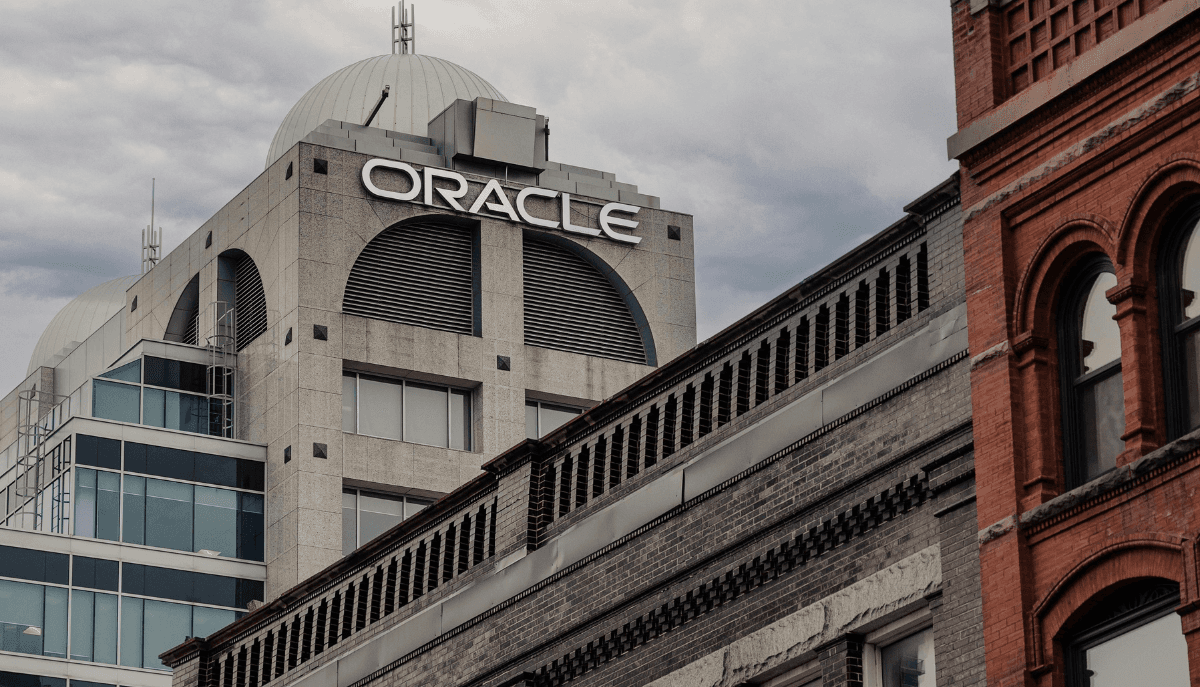
The equipment showed up on the East Bank in February and it has not stopped since. Oracle received its demolition permits, cleared the 70-acre plot along the Cumberland River in River North, and started early utility work that makes clear this project has left the planning phase entirely. What started as a concept rendering in 2024 is now a construction site, and Nashville is about to find out what it means to be the global headquarters of one of the world's largest tech companies.
The numbers are not small. Oracle is building 2 million square feet of office space spread across what will eventually become a 75-acre campus. The design includes retail, a luxury Nobu-branded hotel, public walking trails along a new pond beside the Cumberland River, and a pedestrian bridge that will connect Germantown to the East Bank. The company has committed to 8,500 workers in Nashville by 2031, and to back that up, Oracle signed an additional 116,000 square foot lease at the Neuhoff District in March, bringing its total Nashville office capacity to roughly 2,000 seats across three locations before vertical construction on the main campus even begins.
This is not a regional outpost. Oracle has been explicit about calling Nashville its global headquarters, and in April, when company leadership sent a letter to the Metro Council, they confirmed the project is moving forward despite recent corporate layoffs. That communication matters because it signals something Nashville leaders needed to hear: Oracle is not treating this as a hedge. The East Bank investment is the centerpiece of a long-term strategic bet on the city.
What makes the East Bank location significant is the momentum already building around it. The Tennessee Performing Arts Center's future home is planned for the area. East Bank Flats, an affordable housing development, is going up in a current parking lot roughly a block from the new NFL stadium. Development around the stadium itself includes green space, outdoor seating, bike paths, a hotel, and residential units. When Oracle's campus is complete, it will anchor a stretch of the East Bank that will look entirely unrecognizable from what was there five years ago. Nashville is not just building around a tech company; the tech company is joining an already moving wave of transformation.
For real estate investors and developers paying attention to Nashville, the Oracle announcement confirms what the commercial pipeline data has been suggesting for months. The East Bank is where long-term value is being built. The challenge is that most of the best-positioned land has already been spoken for. AJ Capital Partners has vertical construction underway at Belle Meade Village. The Neuhoff District is attracting office tenants. The Ritz-Carlton and a 46-story St. Regis hotel are both in development in The Gulch, signaling that hospitality capital is following the same migration east and north that residential and commercial capital already made.
The part that gets less attention in the Oracle story is what it will do to the labor market. Eight thousand five hundred jobs at a company like Oracle are not entry-level positions. These are engineers, product managers, data architects, and enterprise sales professionals. Nashville has been working to establish itself as a legitimate tech hub for years, and the presence of Oracle's global headquarters accelerates that credibility in a way that no amount of marketing could. Companies that recruit tech talent look at where talent pools are forming. Oracle's commitment to Nashville signals to other employers that the talent they need can be found here, which attracts more talent, which attracts more employers.
The timeline is long. Oracle expects vertical construction on its main buildings to be complete by 2031. That is five years of construction activity, which means five years of economic impact from the build-out itself before the campus ever opens. The pedestrian bridge connecting Germantown to the East Bank alone will reshape foot traffic patterns in ways that adjacent property owners are already thinking about. Restaurant groups, retail operators, and multifamily developers have all been watching the permits come through.
Nashville has a track record now of attracting major corporate relocations and expansions. Amazon's Operations Center of Excellence is here. AllianceBernstein moved its headquarters from New York. Oracle joining that list as a global headquarters, not just a regional office, puts the city in different company. The question is not whether the East Bank will develop. It is whether Nashville can build the housing, infrastructure, and workforce pipeline fast enough to absorb the growth that is already arriving.
The answer to that question will shape the city for the next twenty years. What is clear from watching the East Bank this spring is that the waiting is over. The cranes are coming.