Making your bed is sold as the smallest win that sets up your whole day. Books and coaches call it a keystone habit, the first bit of order that leads to more. So it can feel strange to hear that pulling those covers tight each morning might not be the healthy choice it seems. There is a real case, backed by researchers, that an unmade bed could actually be better for you. It comes down to tiny creatures you cannot see. Once you understand them, the neat bed starts to look less obvious.
The creatures are dust mites, and your bed is full of them. They are microscopic relatives of spiders, and they live by the millions in mattresses, pillows, and sheets. They do not bite, but they feed on the flakes of dead skin that every person sheds all night long. The trouble is their waste, which contains proteins that set off allergies and asthma in a lot of people. Stuffy noses, itchy eyes, sneezing, and morning congestion are often their doing. For anyone sensitive, the bed is one of the biggest sources of these triggers in the home.
Here is the key fact about mites. To survive, they need warmth and moisture, and they cannot drink, so they pull water straight from the air around them. Your sleeping body hands them both on a plate. Over a night you give off heat and sweat, and you breathe out moisture into the sheets. By morning the bed is a warm, damp little world that mites love. Take that warmth and water away, and the mites cannot thrive.
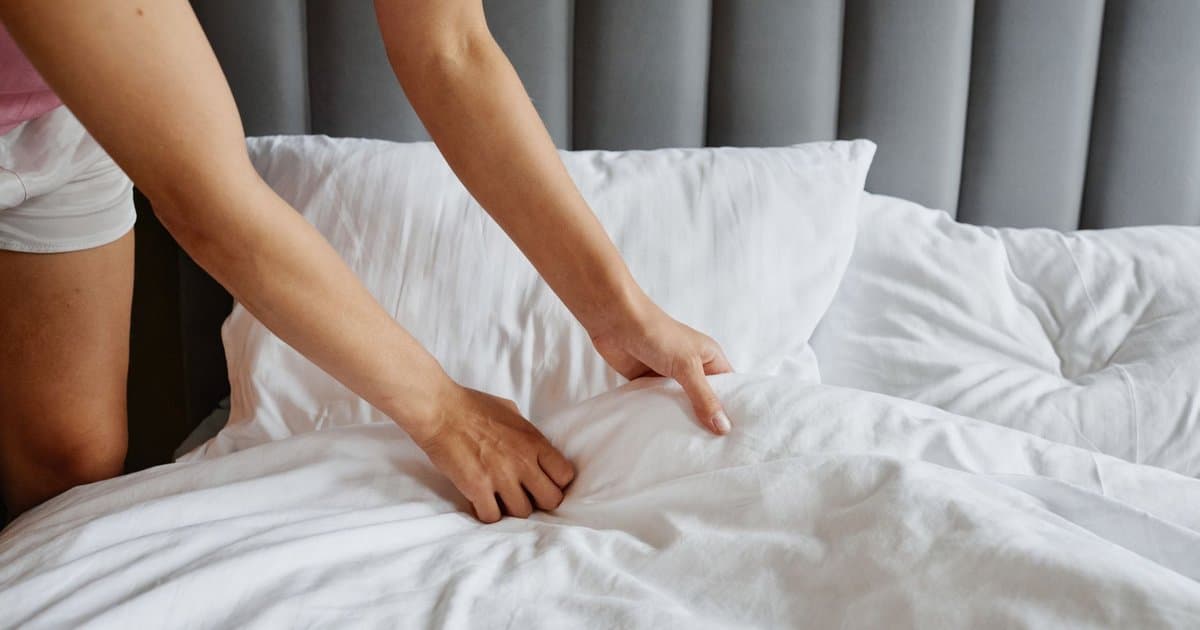
That is where an unusual study comes in. Researchers at a British university built a model of how beds, bodies, and mites interact through the day. Their work suggested that leaving a bed unmade could help dry it out. An open, rumpled bed lets the sheets breathe and lets the moisture escape into the room and the light. Without that damp cover, the mites lose their water supply and many of them dehydrate and die. A tightly made bed, by contrast, seals the moisture in and keeps the mites comfortable.
The logic is simple once you picture it. When you throw the covers up neat and tight first thing in the morning, you trap the warm, wet air your body just made. That sealed pocket stays humid for hours, exactly the climate mites want. Leave the bed flung open instead, and the sheets get a chance to dry in the open air. Add some daylight from a window and the effect grows stronger, since light and dryness are hard on mites. In that view, the messy bed is quietly doing you a favor.
It is only fair to be honest about the limits here. That research was a computer model, not a strict trial with real beds tracked for years. Other experts pushed back and pointed out that the humidity of your whole room and home matters more than the bed alone. If you live somewhere damp, an open bed may not dry out much at all. So this is a reasonable idea with some science behind it, not a settled law. Anyone who tells you the unmade bed is proven to cure allergies is going too far.
What is not in doubt is the list of things that truly cut mites down. Wash your sheets and pillowcases in hot water about once a week, since heat kills mites and clears their waste. Air the bedroom out and let sunlight in when you can. Keep the home on the drier side, because mites struggle when the air holds less moisture. Covers made for mattresses and pillows can block mites from the deeper layers. These habits do far more than whether the bed is made or not.
So where does that leave the morning routine. If making your bed brings you a small sense of order and a calmer room, keep doing it, because the mental lift is real. But if you skip it, you are not being lazy or unclean. You may simply be letting the bed breathe and dry, which the mites will not enjoy. The tidy bed is a choice about how your space feels, not a rule about health. Do the thing that serves you, and do not let anyone shame you over an open blanket. Sometimes the messier option has a quiet logic of its own.