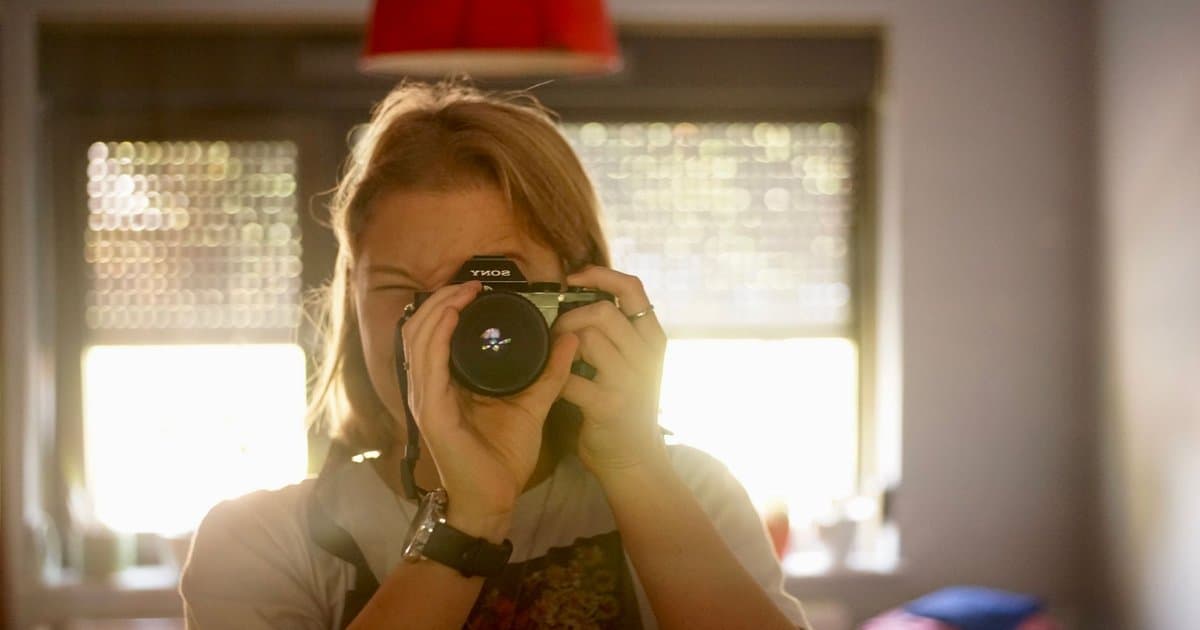
You saved up, bought a camera with impressive specs, and expected your videos to finally look the way the ones you admire do. Instead the footage still has that flat, homemade quality you cannot quite name. This is one of the most common frustrations for people getting into video, and it sends them straight back to shopping for gear. The truth is a little deflating and a lot freeing. The camera was rarely the reason your footage looked amateur, and a more expensive one will not fix the actual problems. What the eye reads as professional comes from a handful of fundamentals that have almost nothing to do with the sensor.
Start with the one most people ignore, which is sound. Audiences forgive a soft image far more than they forgive bad audio, and muddy, echoey, or distant sound tells a viewer within seconds that a video is amateur. A camera's built-in microphone sits too far from the subject and picks up the whole room, so voices sound thin and hollow. Getting a cheap microphone close to the person talking does more for perceived quality than any jump in resolution. Record in a space with soft surfaces to cut echo, and listen back with headphones before you commit. Clean sound quietly signals that everything else was handled with care.
Lighting is the next culprit, and it is usually the difference you are actually seeing. Flat, overhead light, like a ceiling fixture directly above someone, creates dull shadows under the eyes and a lifeless look. Soft light coming from the side and slightly in front wraps around a face and gives it shape and depth. A large window with indirect daylight is one of the best and cheapest light sources there is. Position your subject facing it rather than with it behind them, so the light falls on them instead of blowing out behind. When people say footage looks cinematic, they are usually reacting to the lighting first.
Camera height and framing quietly separate polished video from amateur video. A phone or camera propped low and angled up gives an awkward, unflattering view, while eye level tends to feel natural and intentional. Leave a sensible amount of space above the head, not too much and not so little that the top gets cropped, and place the subject slightly off center rather than dead middle. Pay attention to what sits behind them, because a cluttered or distracting background pulls the eye away and cheapens the shot. A plain wall, some depth, or a softly blurred background reads as deliberate. These choices cost nothing and change everything.
Then there are the settings and focus habits that betray a beginner. Footage that constantly shifts brightness as the camera hunts for exposure looks unstable, so lock your exposure once the shot is set. Continuous autofocus that drifts in and out is another dead giveaway, and on many cameras a single locked focus on a still subject looks far cleaner. Shaky handheld movement reads as amateur, so brace against something solid, use a small tripod, or keep your movements slow and supported. You do not need to master every technical term to avoid these traps. You just need to stop the camera from making distracting decisions on its own.
Color is the final layer, and inconsistency here is what makes footage look off even when everything else is fine. Mixing light sources of different colors, like warm indoor bulbs and cool daylight from a window, gives skin an unnatural tint that the eye notices instantly. Set your white balance intentionally instead of trusting the automatic setting to guess, and try not to combine clashing light temperatures in the same shot. A light, gentle color adjustment in editing can pull a clip together, but it cannot rescue footage that was lit with three different colors at once. Consistency is what sells the professional look. Get the color honest at the source and the edit becomes easy.
So the answer to the question is almost never the camera. The sensor you already own is capable of far better results than you are getting, and the gap is in the fundamentals surrounding it. Clean sound, soft directional light, eye-level framing, a calm background, locked exposure and focus, and consistent color will do more than any upgrade on the shelf. The encouraging part is that every one of those is cheap or free, and each one is a skill you keep for good. Chasing gear is expensive and slow, while chasing fundamentals pays off on the very next shoot. Fix those first, and the camera you have will finally look like the camera you hoped for.